

Introduction: The Creation of Photography
Inventions to capture images and work with light or radiation have been around and technologically worked on for centuries, from the camera obscura of the 17th century to the camera lucida (Latin: “light chamber”) of the early 19th century to most recent digital cameras and lenses. A combination of arts and sciences, photography has involved the use of the sun, silver salts, special papers, glass negatives, zinc, and pewter.
Louis Daguerre is acknowledged as the inventor of the first practical process of photography. He used an iodized silver plate in a camera, resulting in a lasting image if exposed to mercury vapors and then fixed by a solution of common salt.
The word “camera” come from the Latin camera, “a vault or vaulted room.” The Greek kamara means ” vaulter chamber, anything with an arched cover.” Invention of lenses was part of the advance of the photographic arts, and many specialized lenses are available. ‘Lens” means a “glass to regulate light rays” and stems from the Latin lens, “a lentil”, an analogy of the double convex shape.
Photography remains a means of visual communication and expression.
1. Black and white (or monochrome) photography offers these creative advantages:
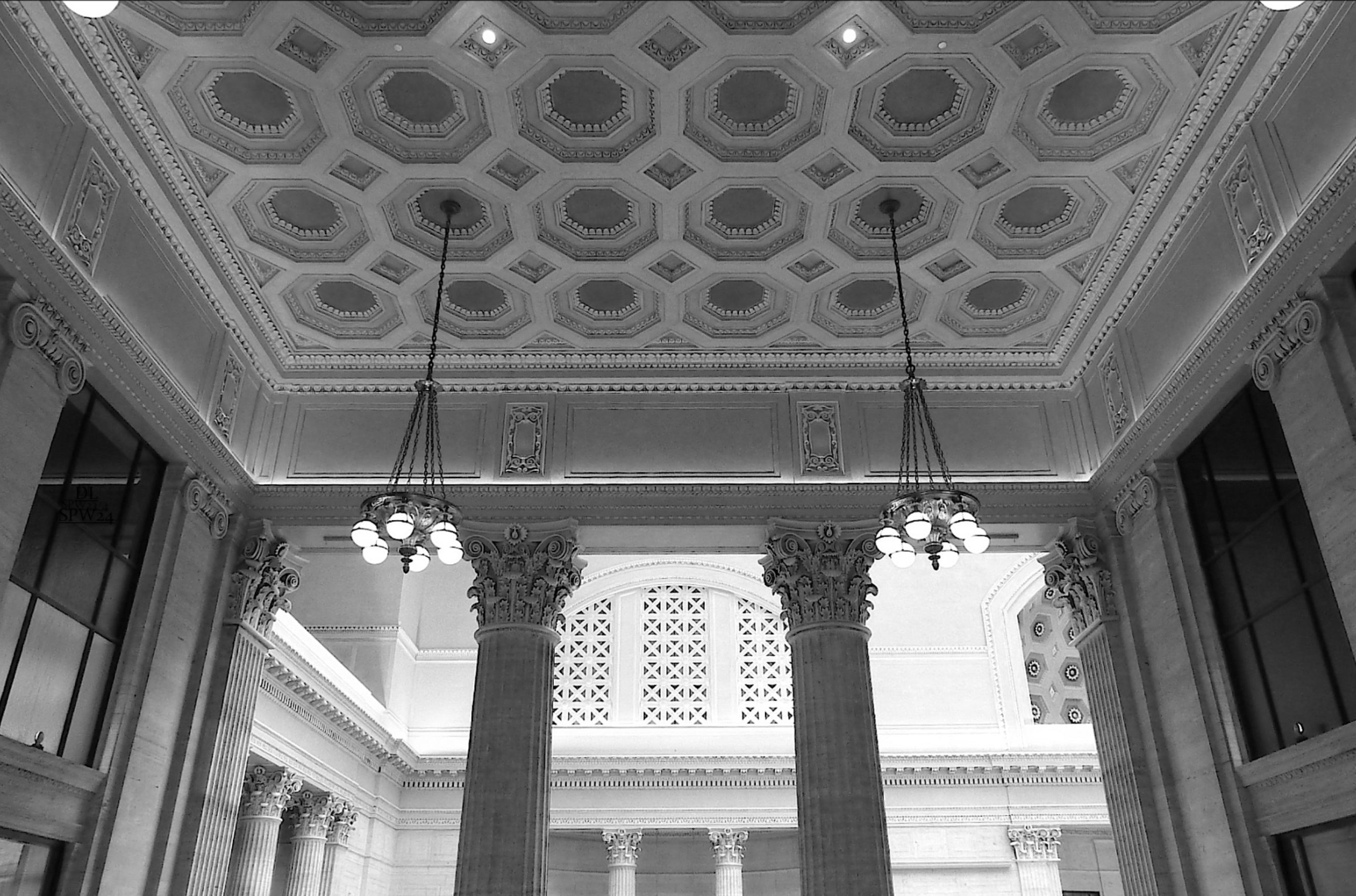
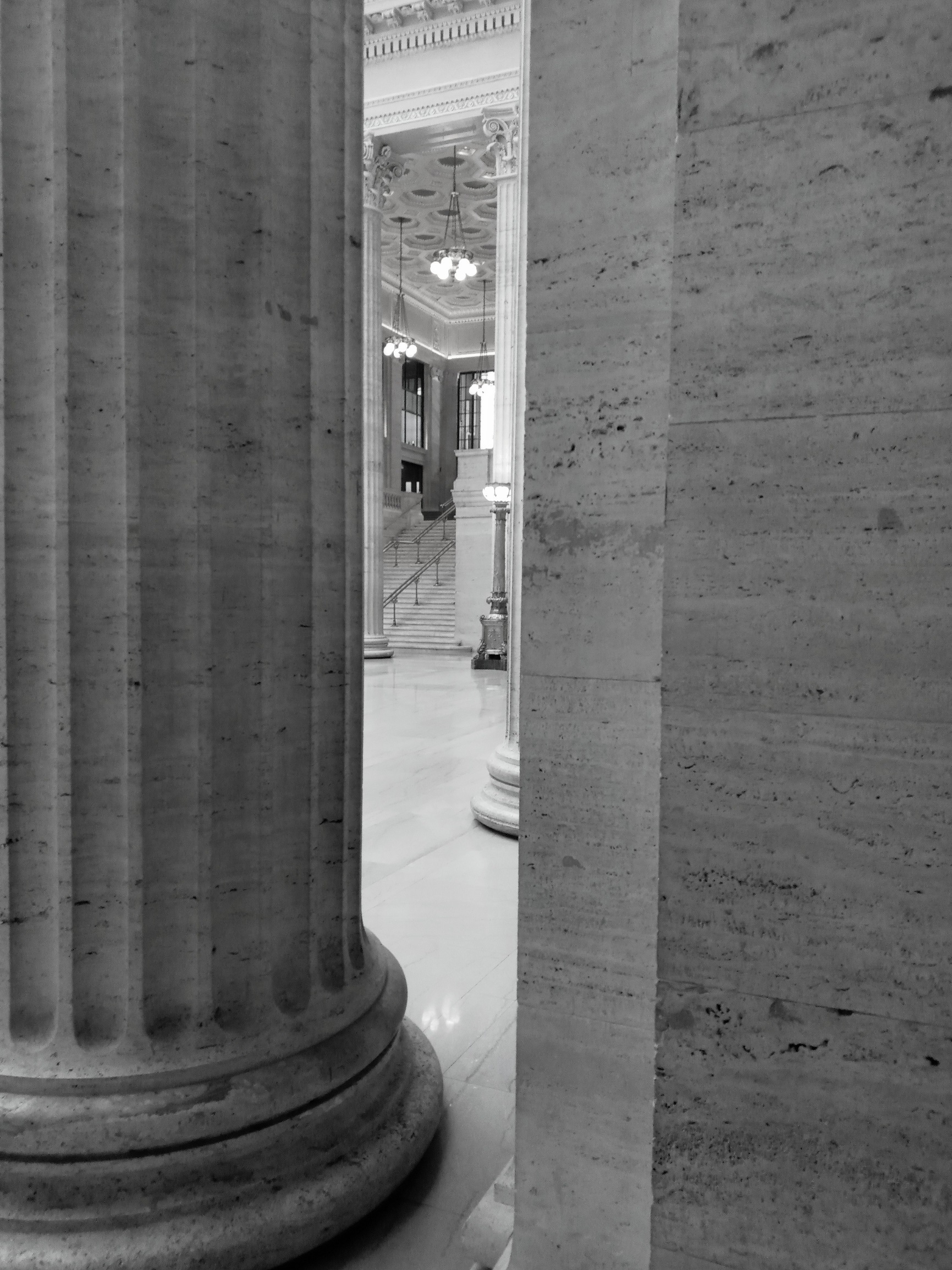
A. Emphasis on contrast and texture: Eliminating color shifts the focus to the contrast between light and shadow, highlighting textures and patterns that might be overlooked in color photography.
B. Timeless and classic aesthetic: There is a sense of nostalgia, creating a perception of historic artistry and sophistication. A black and white photograph makes modern scenes look like they belong in another era, lending a heritage quality to the image.
C. Emotional impact: the simplicity of a black and white photograph intensifies the mood and feeling of the image.
D. Focus on composition: The photographer and viewer can enjoy the benefits of a thoughtfully composed image focusing on shapes, lines, and forms.
E. Lighting: In situations where color photography may make the scene washed out or overly saturated, black and white images may handle the tricky light variations and reduce distractions. The viewer is then drawn to the elements within the frame.
2. A Gallery of Photographs
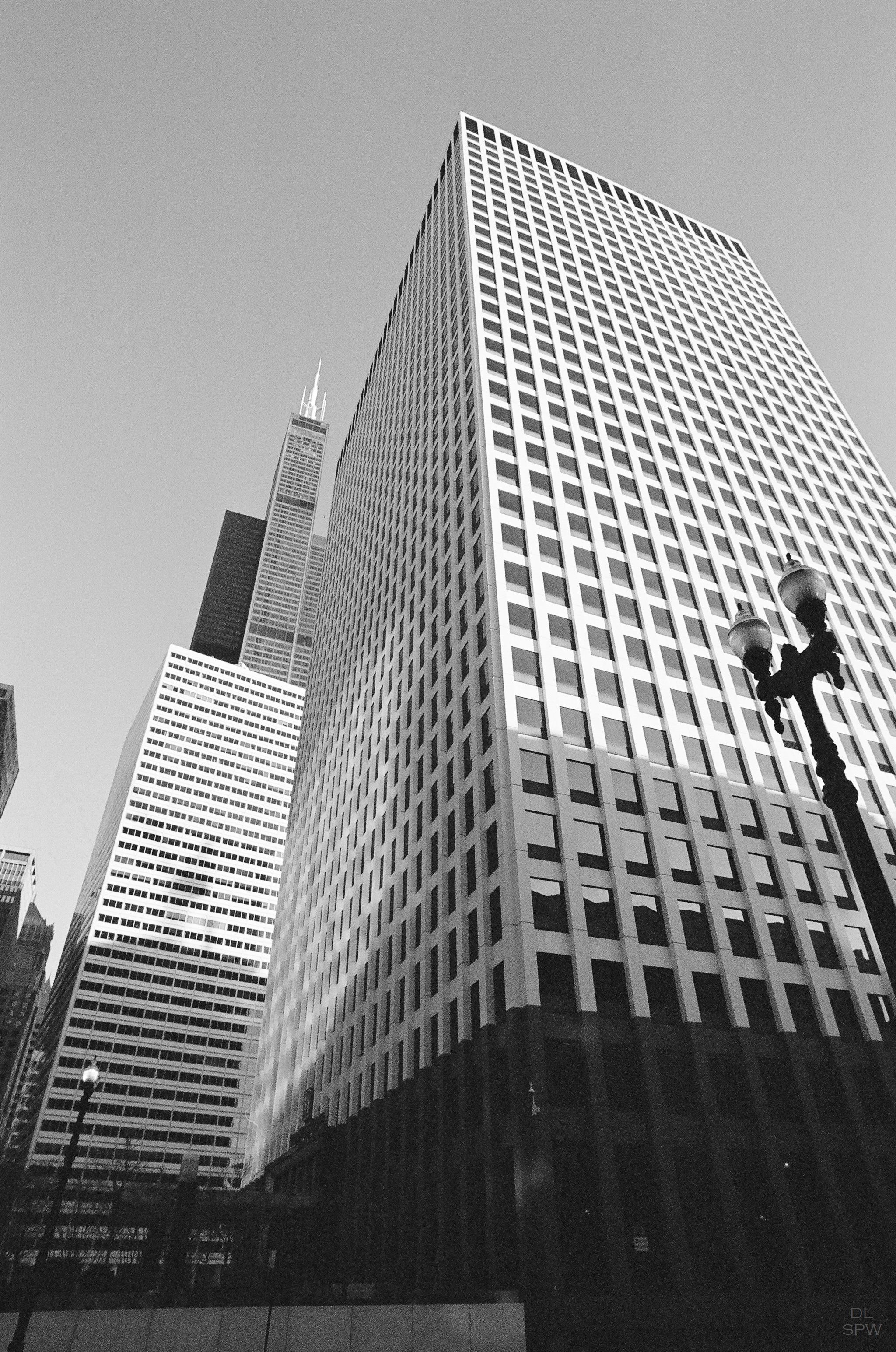
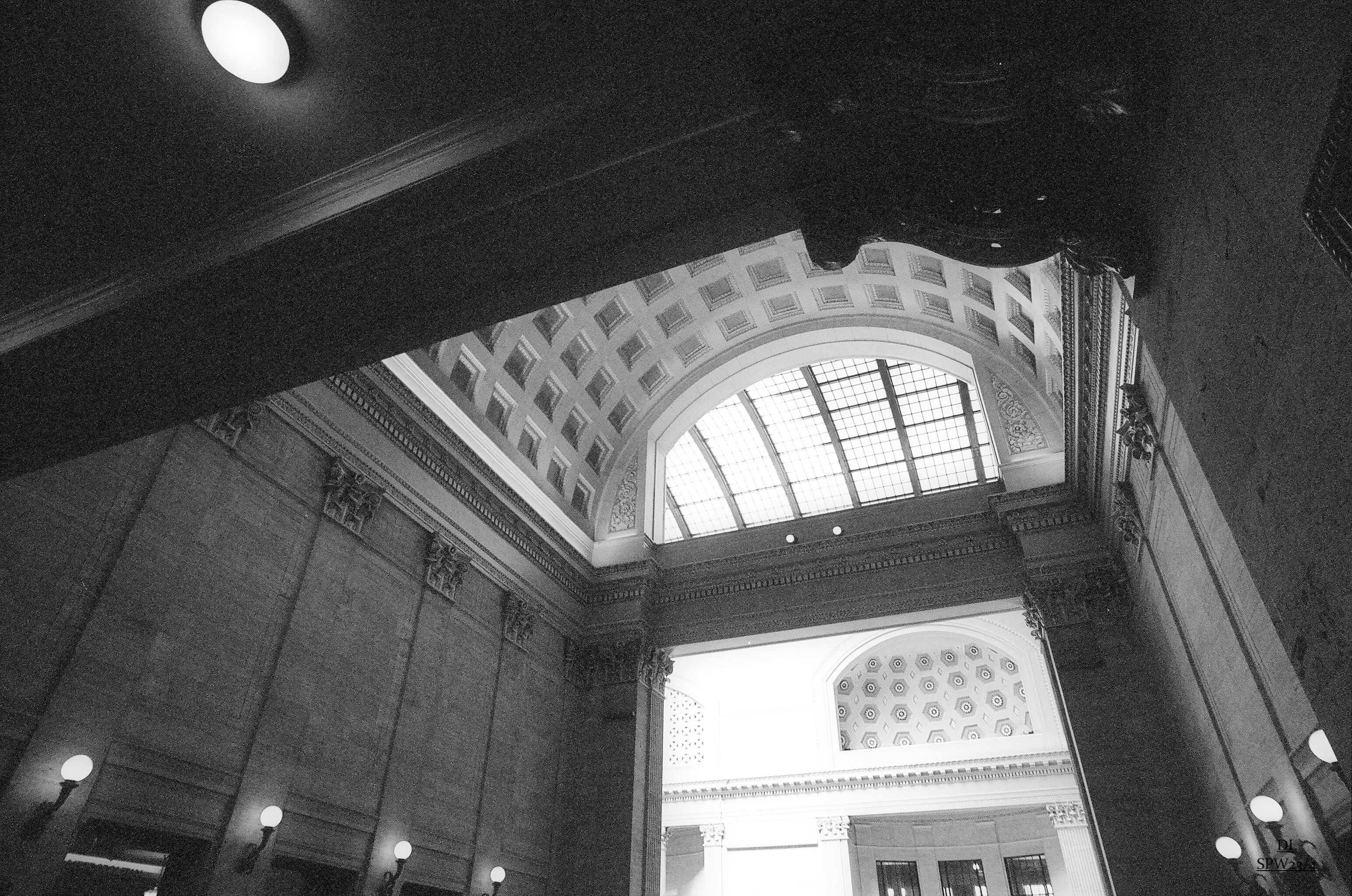
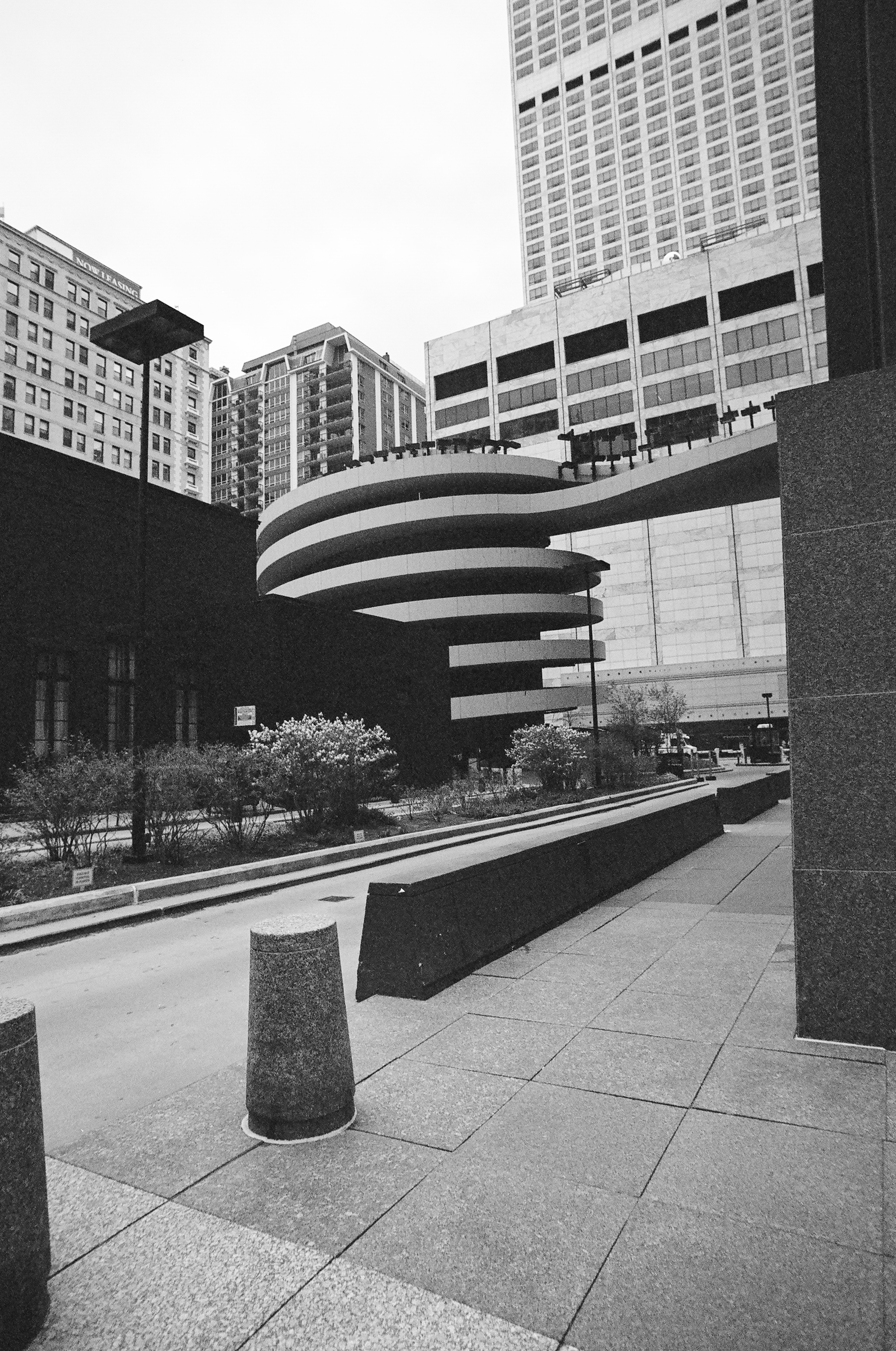
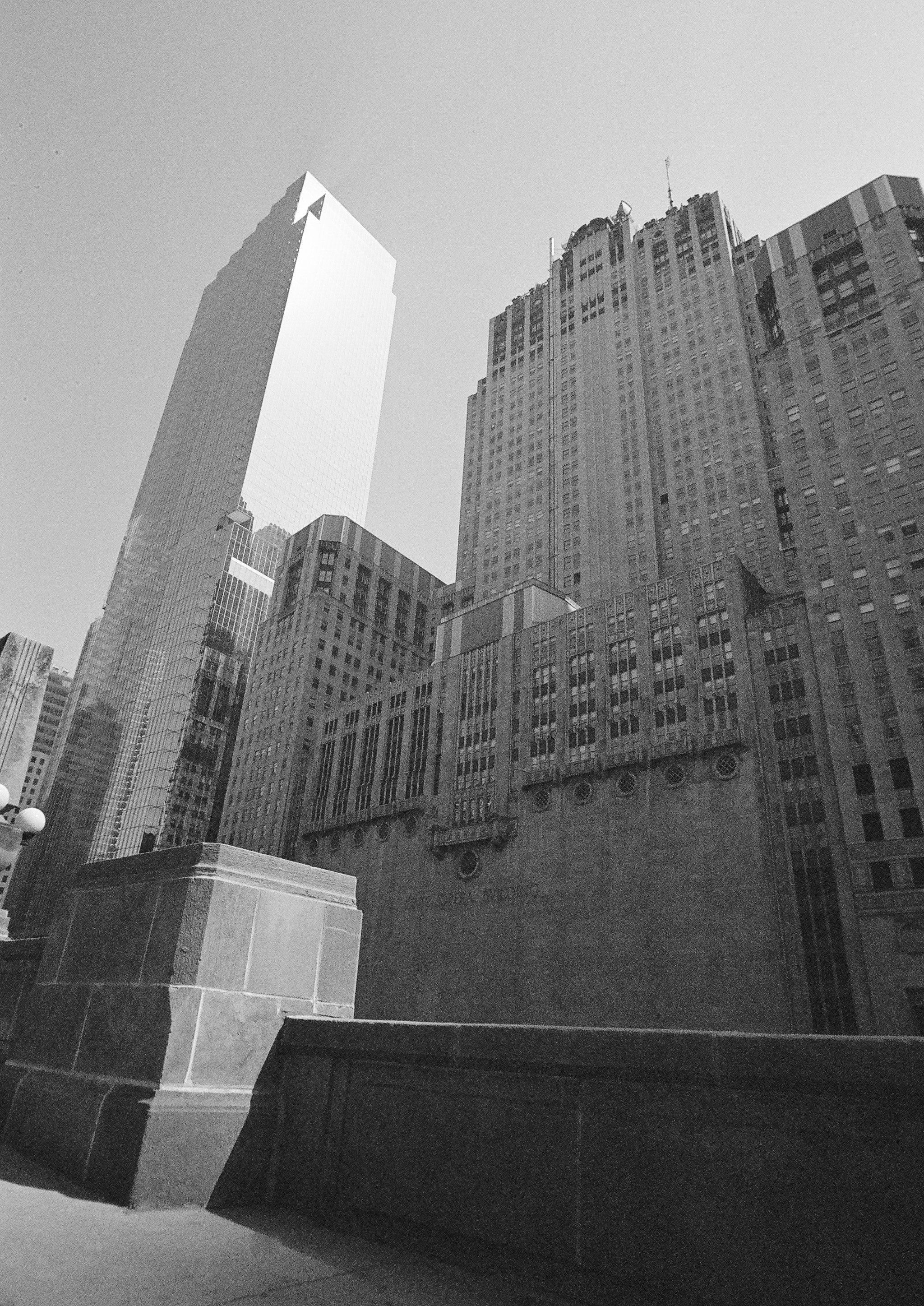

Conclusion
Black and white photography remains a fun, challenging, and creative way for any photographer at any skill level to enjoy artistic expression. Ensure that your equipment is clean and in good working order, pay attention to metering, focusing, and the suggested settings for the medium you are using (ISO, color temperature, shutter speeds, aperture). Load and wind film carefully, and when finished rewind gently and place in a canister. Make notes while in the field, such as lighting conditions, weather conditions, and what interested you about the subject or the setting. Also note your camera’s settings for each frame, as aperture or shutter speed may change as lighting changes.
Pure forms of lines, shapes, and structures will emerge in the images, focusing attention on lighting and the composition.
Modern photographers connect to the beginnings of the art of writing with light, linking the digital world to the earliest days of film photography. Trends are transcended, making the images timeless and engaging.
Explore your ways of storytelling and expression through black and white photography and enjoy fresh perspectives and deeper appreciation for the craft.
Glossary
- Colonnade. A colonnade is a row of regularly spaced columns typically supporting an entablature of a building’s portico.
- Frieze. In classical architecture, the frieze is the wide central section of the entablature. It may be plain or decorated with relief sculptures, as in the frieze above the staircase in the gallery photograph.
- Monochrome. Monochrome, at its core, refers to images that consist of varying tones of a single color. This term is often used interchangeably with black and white photography, but it can encompass any single-color palette.
Resources.
- “Advantages of black and white photography.” Microsoft. (2024). Copilot. https://copilot.microsoft.com/.
- “Advantages of monochrome photography.” Microsoft. (2024). Copilot. https://copilot.microsoft.com/.
- “Importance of black and white photography.” Microsoft. (2024). Copilot. https://copilot.microsoft.com/.
- Wikipedia contributors. “Frieze.” Wikipedia, The Free Encyclopedia. Wikipedia, The Free Encyclopedia, 30 Oct. 2023. Web. 15 Nov. 2024.
- The Editors of Encyclopaedia Britannica. “camera lucida”. Encyclopedia Britannica, 31 Aug. 2024, https://www.britannica.com/technology/camera-lucida. Accessed 17 March 2025.
- “Monochrome.” Microsoft. (2024). Copilot. https://copilot.microsoft.com/.
- Grundberg, Andy, Gernsheim, Helmut Erich Robert, Newhall, Beaumont,
Rosenblum, Naomi. “history of photography”. Encyclopedia Britannica, 15 Feb. 2025, https://www.britannica.com/technology/photography. Accessed 17 March 2025. - The Editors of Encyclopaedia Britannica. “Louis Daguerre”. Encyclopedia Britannica, 14 Nov. 2024, https://www.britannica.com/biography/Louis-Daguerre. Accessed 17 March 2025.
- Harper, Douglas. “Etymology of camera.” Online Etymology Dictionary, https://www.etymonline.com/word/camera. Accessed 17 March 2025.
- Harper Douglas, “Etymology of lens,” Online Etymology Dictionary, accessed March 17, 2025, https://www.etymonline.com/word/lens.
- Wikipedia contributors. “Walter Theodore Krausch.” Wikipedia, The Free Encyclopedia. Wikipedia, The Free Encyclopedia, 8 Jun. 2024. Web. 17 Mar. 2025.
- “Colonnade.” Merriam-Webster.com Dictionary, Merriam-Webster, https://www.merriam-webster.com/dictionary/colonnade. Accessed 17 Mar. 2025.
Discover more from Frame the Works
Subscribe to get the latest posts sent to your email.

 Frame the Works