Public Works, that is. Photographs and Research Documenting our Industrial Heritage. Includes Field Notes with Archival Quality Photographs and Cartographic Studies.
Symmetry: A Basic Principle of Architecture. The Principles of Architecture. Presentation Number Two.
Balance and Arrangement of Structural Elements: The Principle of Symmetry.
Symmetry refers to the reflection of shared forms, shapes, or angles across a central line or point called the axis. When components mirror each other across the axis, the design achieves symmetry. This principle creates a sense of balance, stability, and order in a composition.
There are the following types of symmetry:
Bilateral (Mirror): this involves mirroring a structure’s or design’s halves around a central axis.
Radial: the elements radiate outward from a central point, and the designs may be intricate.
Longitudinal: this form of symmetry occurs along a linear axis, creating a balanced composition.
Symmetry resonates with human perception. When a structure or design elements are symmetrical, our minds perceive it as organized and aesthetically pleasing. Symmetry combines elegance and precision.
Bilateral and Longitudinal Symmetry
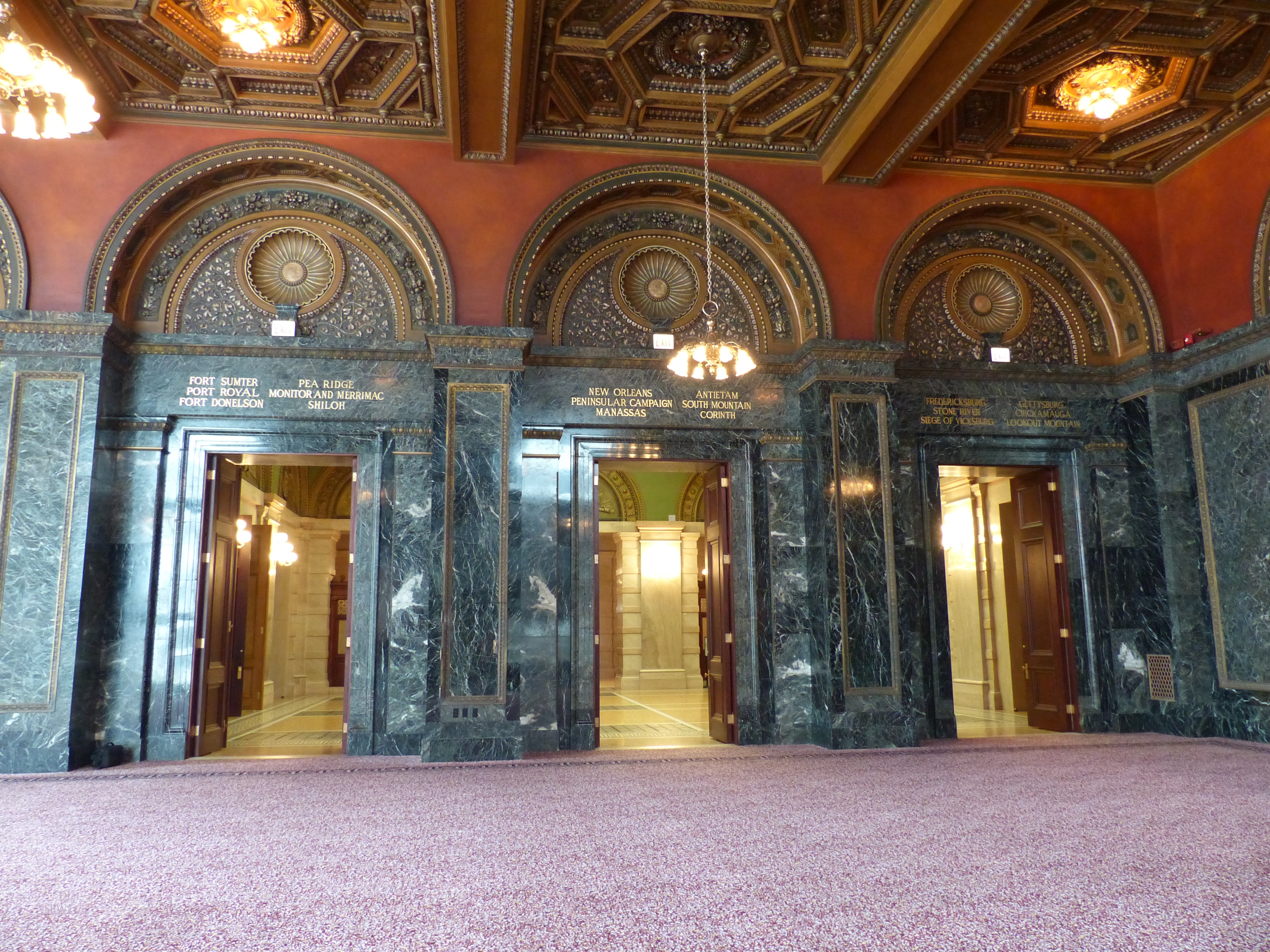
Thie is an example of reflection (mirror or bilateral) symmetry. Elegant and sturdy green marble from Vermont strengthens this triple doorway in part of the memorial hall of the Grand Army of the Republic. This solemnly elegant space is a reminder of the sacrifices of the Civil War. The rooms were restored in 2022. Chicago Cultural Center. Completed: 1897.This railroad station is a fine example of bilateral symmetry, where the design is mirrored on either side of a central axis. This architectural feature is often used to convey a sense of balance and harmony. In the case of this station, the symmetry is evident in the uniform distribution of windows, the central door, and the consistent roof slope. The tracks in front of the station enhance this symmetrical effect, with one track on each side of the platform leading the eye towards the converging point on the horizon.
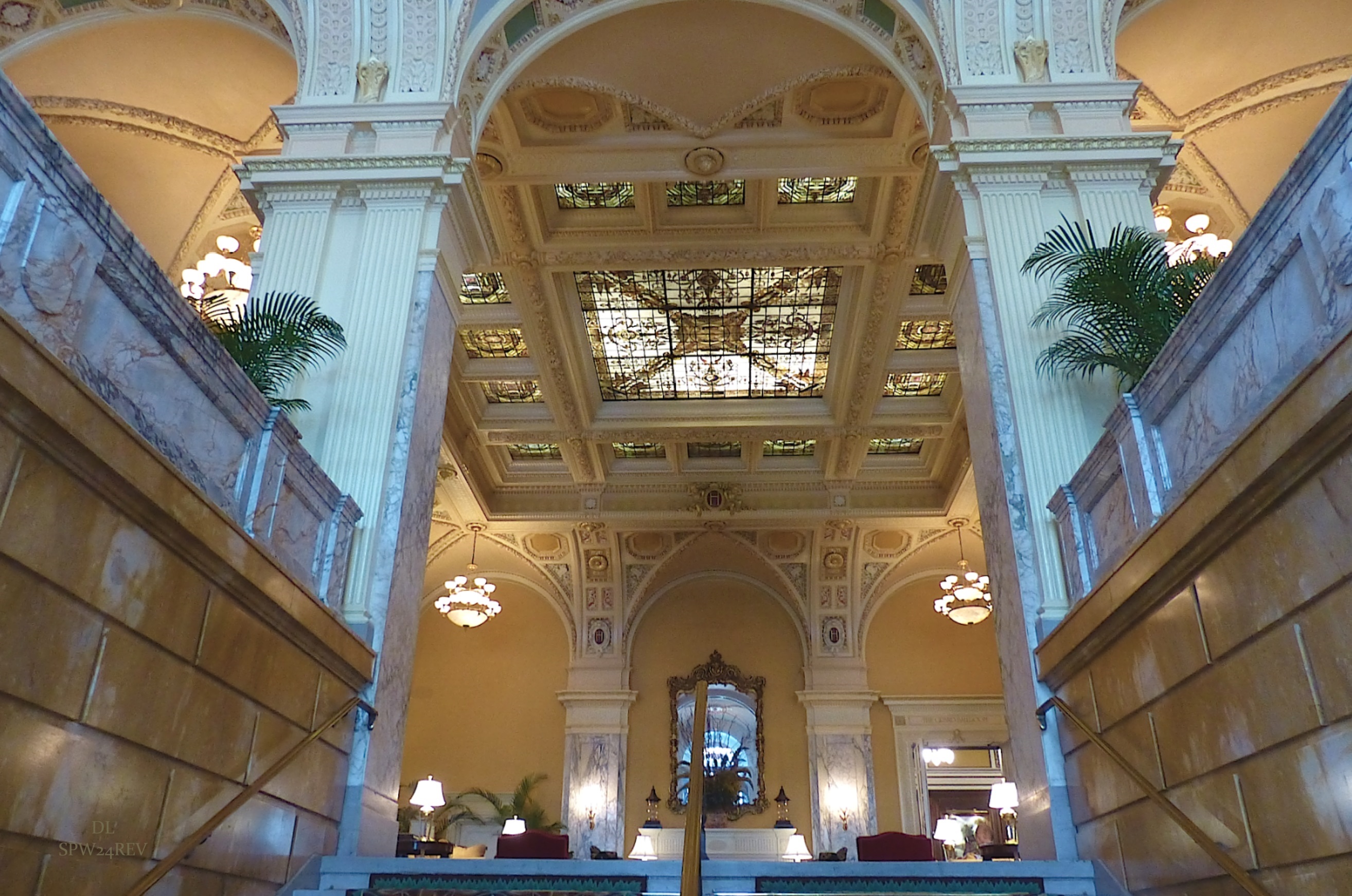
The station’s brickwork, hipped roof, and overhanging eaves supported by brackets are typical of traditional railroad station architecture, reflecting a functional yet aesthetically pleasing design. The concrete platform with yellow safety lines adds a modern touch to the safety features while maintaining the overall historical character of the station. The symmetry, along with the converging railroad tracks, creates a visually appealing perspective that draws observers into the scene, emphasizing the station’s role as a gateway for travelers.Symmetry is exemplified in this view of the entrance in the Beaux-arts era Hermitage Hotel in Nashville, Tennessee. Featured are the marble staircase which creates a central axis around which mirror the elements of the arches, stained-glass ceiling, the ceiling’s ornamentations, and the placement of the chandeliers. These create a harmonious and pleasing space. Building opened: 1910.Bilateral symmetry in the Corinthian Order elevates the entrance of the Federal Reserve Building in downtown Chicago. The elements include six perfectly proportioned columns supporting the pediment above at the main entrance, courses of aligned and identical doors and windows with the same arrangement on both sides of the center door, the flower arrangements in the decorated stand, and two streetlamps. The pediment is symmetrical along its vertical axis. The entablature is in ideal classical proportions. The effect is a sense of harmony and balance.
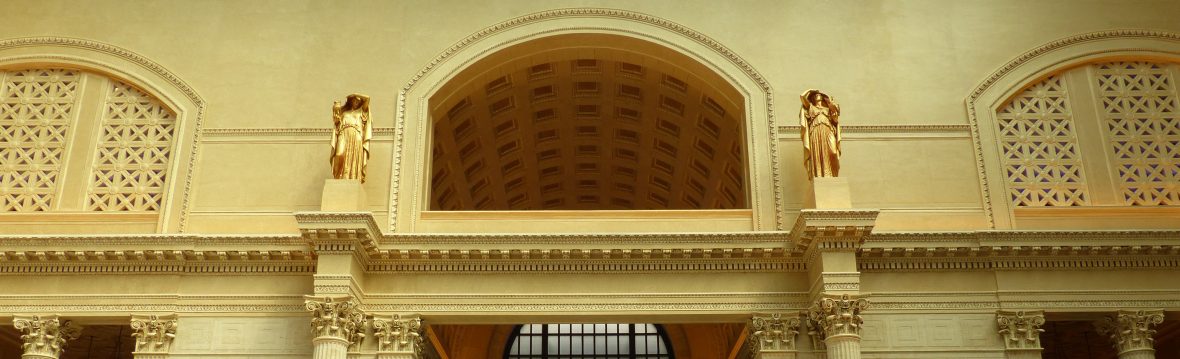
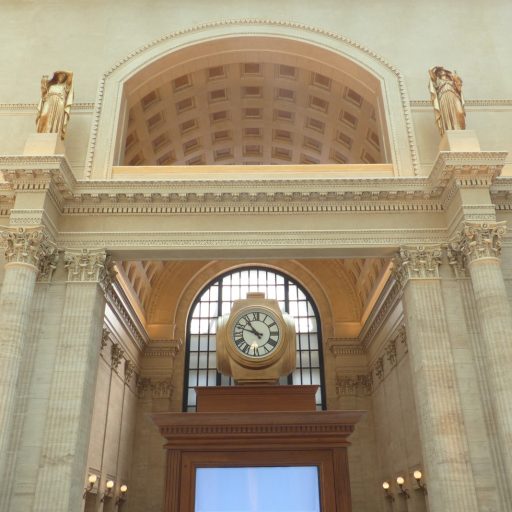
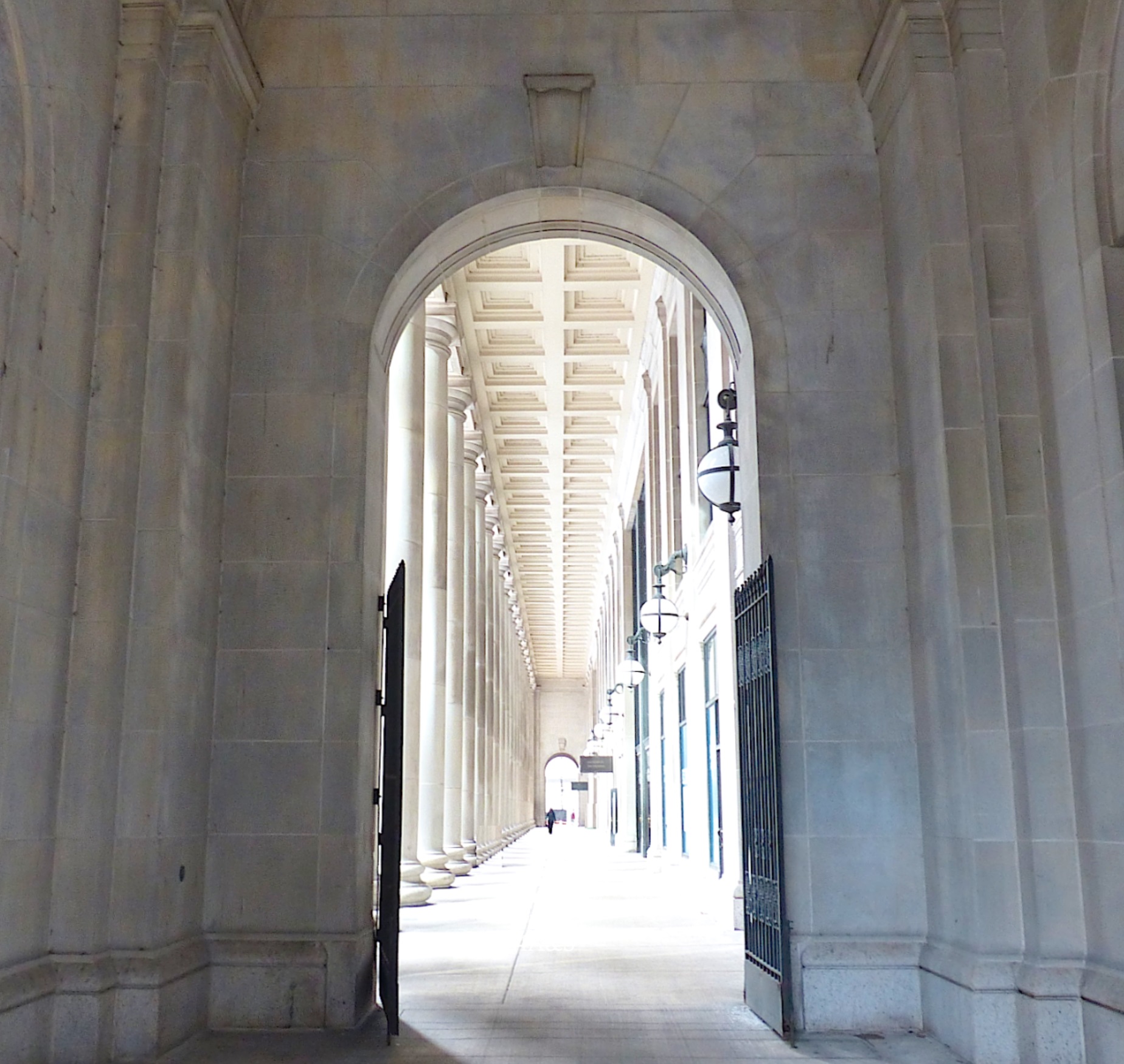
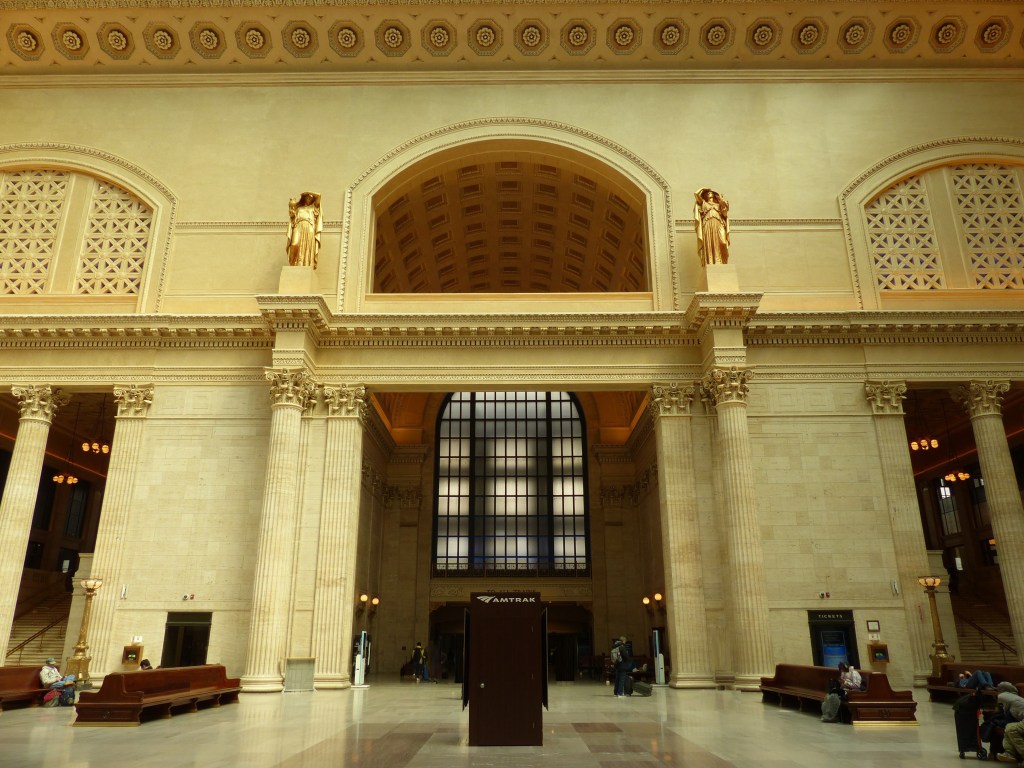
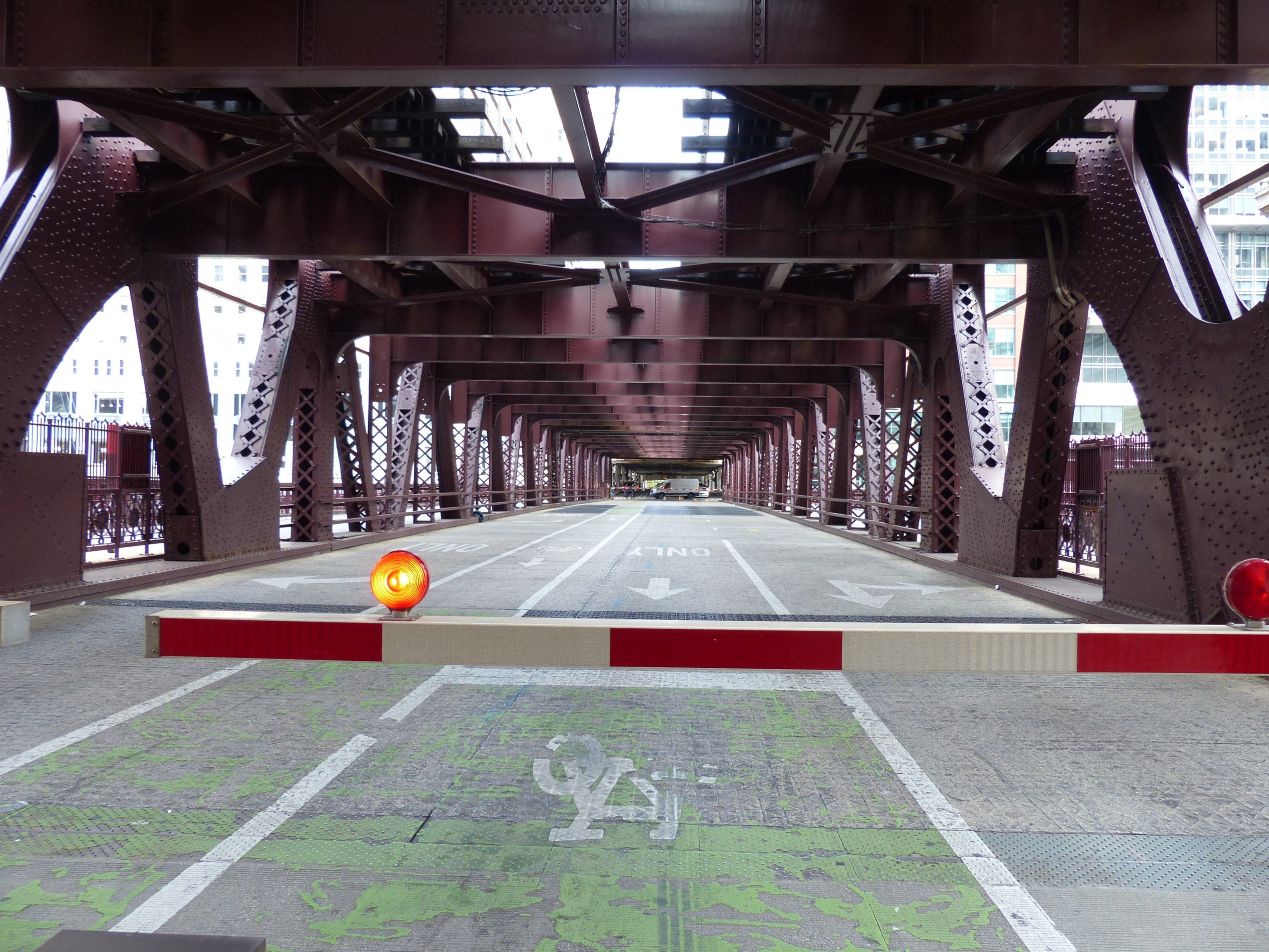
The pediment is ornamented with an eagle in the tympanum, dentils under the cornice and along the raking geison, and acroteria on the corners and the apex. A fine frieze also trims the zone directly above the entrances. The structure exhibits an excellent example of a hexastyle colonnade. Established: 1914. Building date: 1922. Style: Beaux-arts.The east elevation of Chicago Union Station features reflected symmetry in the following features: the colossal Tuscan Order columns are regularly spaced, the arches at either end repeat in height and width, the windows and doors at the entrances are at regular intervals and heights, and the coffered ceiling features a geometric pattern along its entire length. Large, globe-shaped light fixtures are also at regular intervals above the entrances. Use of Bedford limestone of ashlar quality throughout contributes to the strong, classical appearance. The composition is balanced and mirrored. The view looks north to south. This is also an example of longitudinal symmetry, where the elements align along a linear axis.The colossal Corinthian Order defines the Great Hall at Chicago Union Station. Shown is an example of bilateral, or mirror symmetry. The hall revolves around a central axis which runs down its entire length and here, looking west to east, it centers on the large window at the end of the corridor. Two staircases mirror each other, and natural light illuminates the entire space from a gigantic skylight. The pair of statues, titled Night and Day, complement each other above the golden travertine-faced space, uniform in appearance due to the ashlar quality of the work. The ornamentation of the ceiling and the patterns in the stone floor continue the principle of symmetry. The effect is a balanced, harmonious arrangement.The Wells Street Bridge (1922) exhibits longitudinal symmetry along its steel structure. The lines of the structure create a vanishing point in the center of the image. All elements of the bridge are symmetrical including riveting, trusses, bracing, and beams, lanes and sidewalks and railings. Adjacent structures also are symmetrically arranged. This is the only time it is safe to look north along the bridge, during times when it is closed to allow the leaves to be raised for the passage of watercraft.
Radial Symmetry
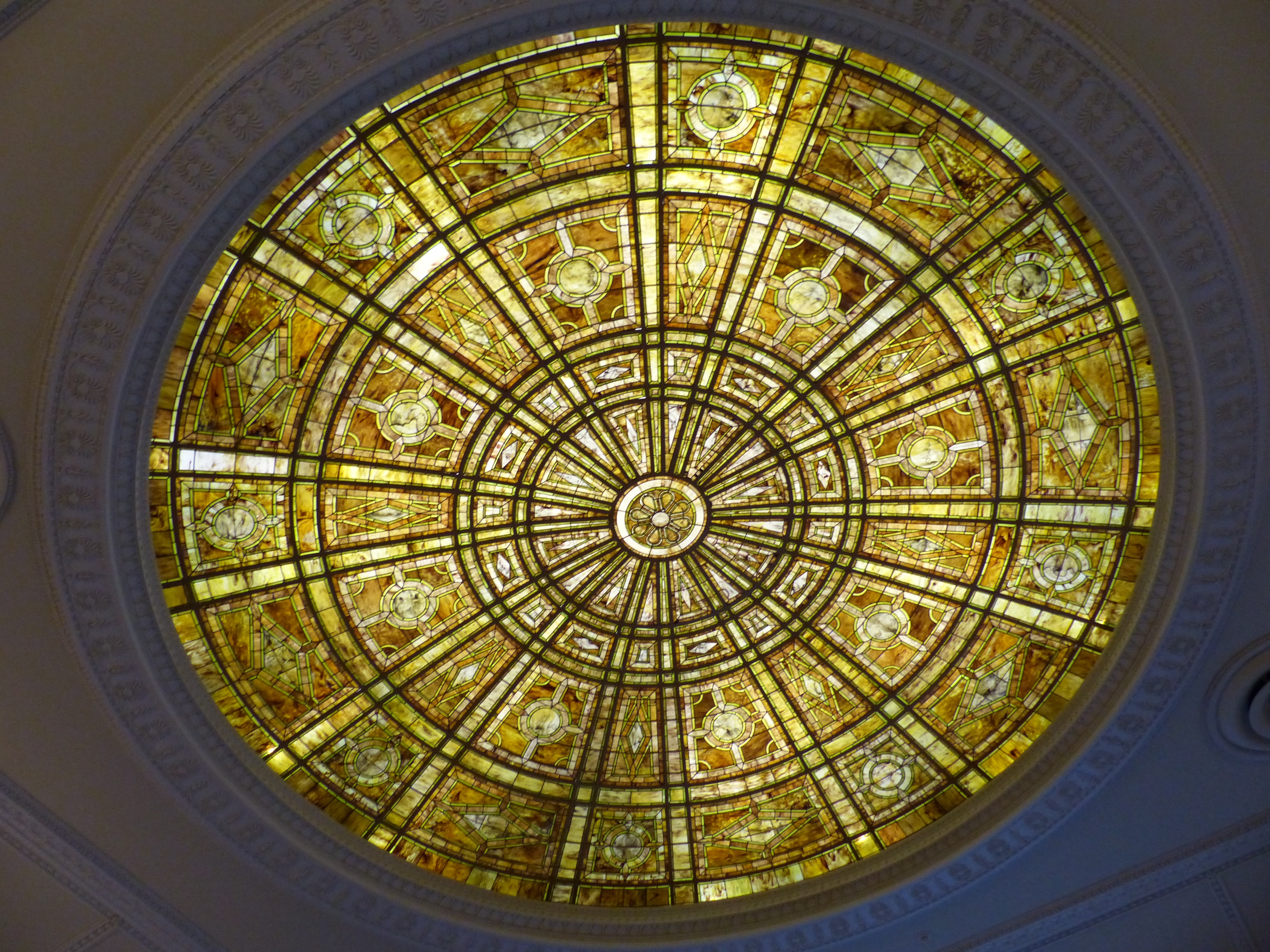
The entire diameter of the ornate Tiffany-designed dome at Fullerton Hall in the Art Institute of Chicago is a marvel to behold. It is a perfect example of radial symmetry, wherein the elements appear to radiate from a center, similar to the spokes on a bicycle wheel. The hall serves as an auditorium. and dates to 1898.
Resources.
Copilot search. “Is this an example of bilateral or mirror symmetry? Sent by you: Is this an example of bilateral or mirror symmetry?” Federal Reserve Building photograph by the author. sl.bing.net/jThnbPiiG4q. 17 April 2024.



 Frame the Works