Public Works, that is. Photographs and Research Documenting our Industrial Heritage. Includes Field Notes with Archival Quality Photographs and Cartographic Studies.
Axis: An Essential Principle of Architecture. The Principles of Architecture. Presentation Number One.
Axis: Lines Defining and Organizing Spaces.
An axis is an imaginary line that connects two points in space. It defines the location and orientation of architectural elements. Objects in two- or three-dimensional spaces may have multiple axes that determine their positions. An axis is used to organize and plan spaces, align design elements, and create a sense of order.
Similar to a straight arrow on a sign, an axis serves as a focal point that guides observers. The axis can signify aspects such as structure, procession, direction, viewpoints, and lines of rotation. Busy streets in cities create an axis formed by buildings on either side, emphasizing the street’s central position. Clear boundaries between the axis and surrounding elements enhance visibility, strength, and stable impressions, guiding movements and defining pathways.
INTERIOR SPACES.
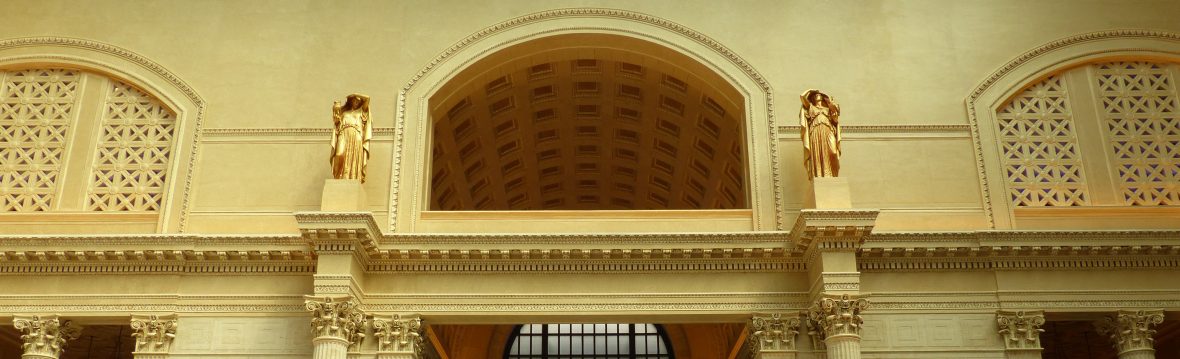
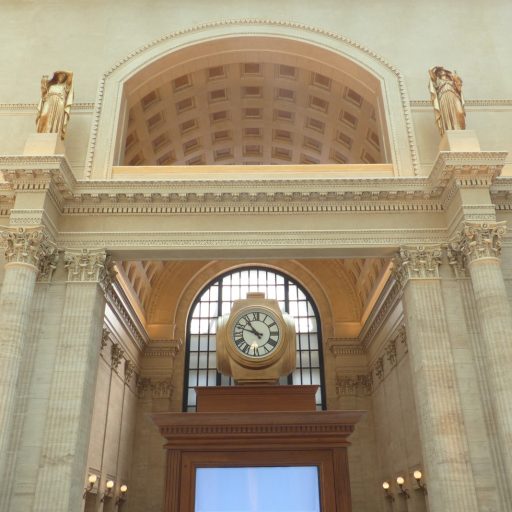
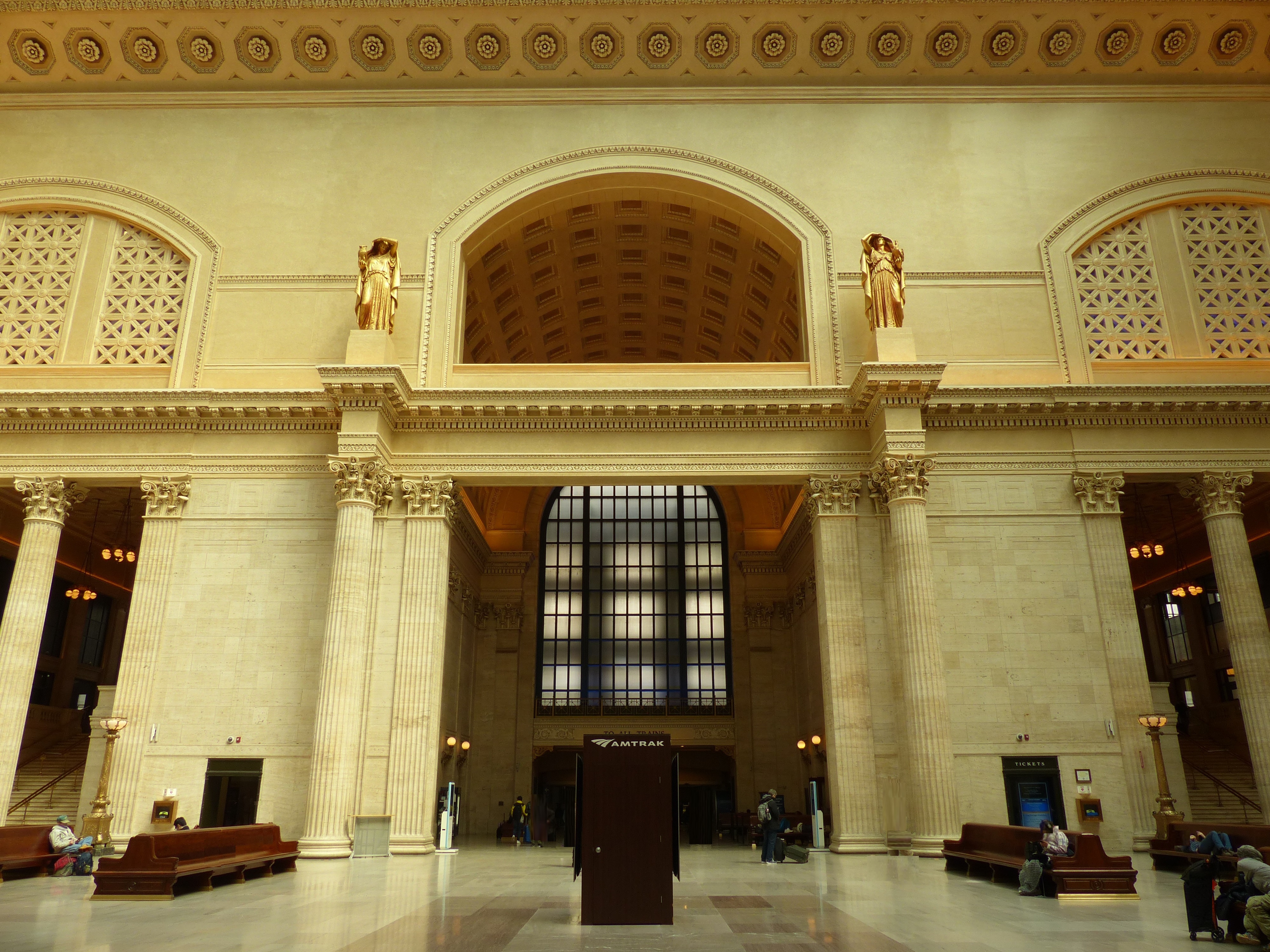
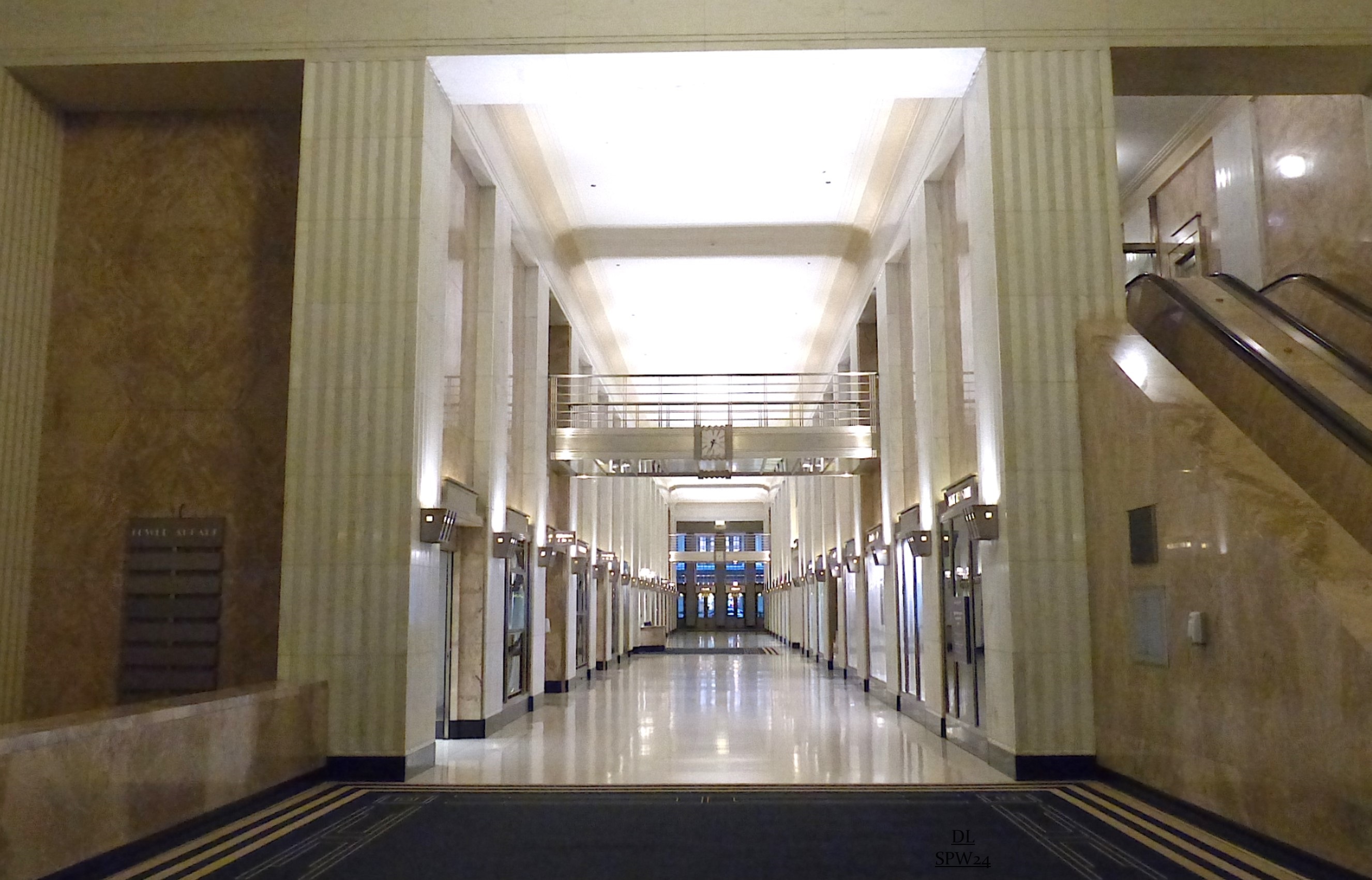
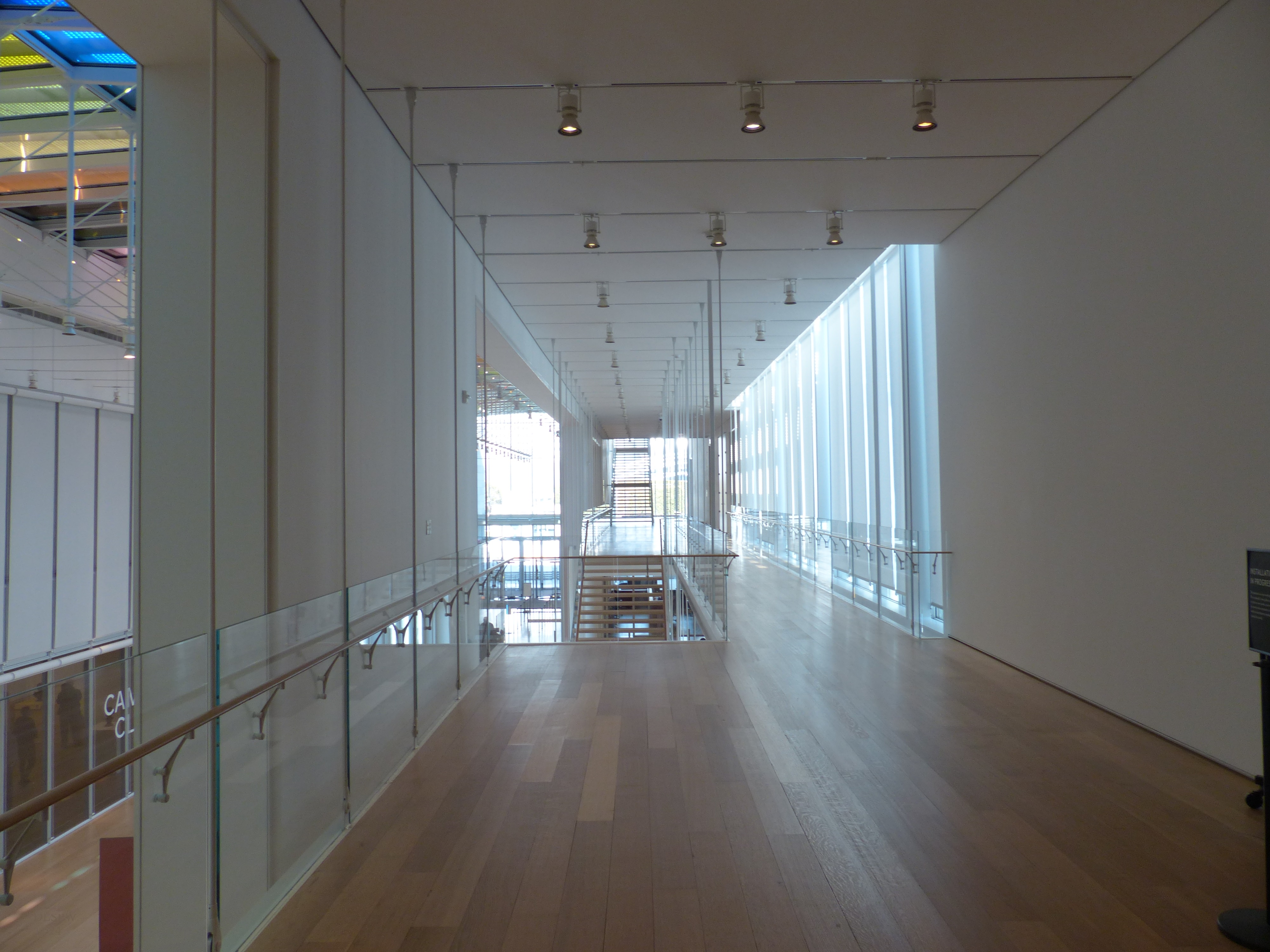
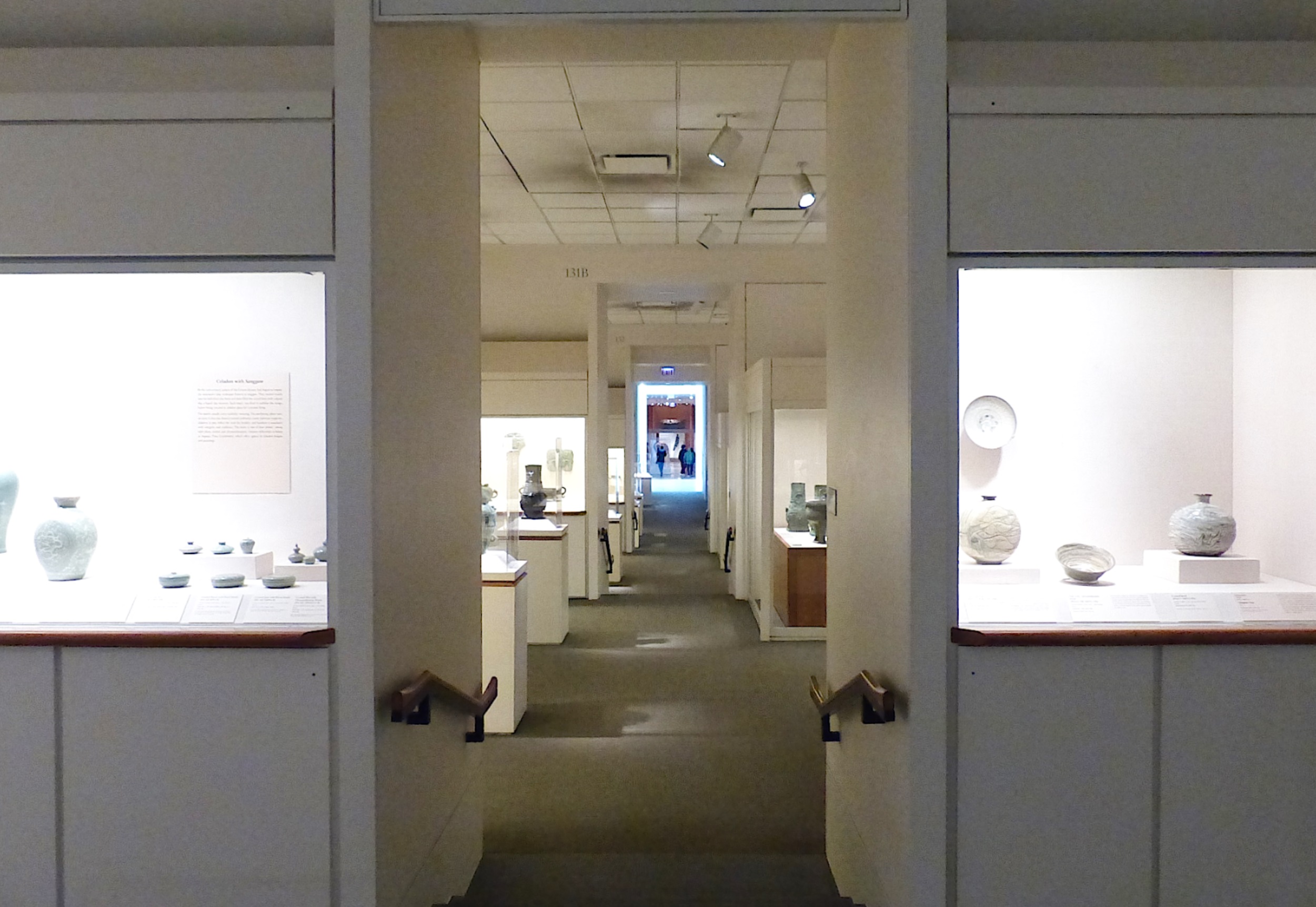
The colossal Corinthian Order defines the Great Hall at Chicago Union Station. Shown is an example of bilateral, or mirror symmetry. The hall revolves around a central axis which runs down its entire length and here, looking west to east, it centers on the large window at the end of the corridor. Two staircases mirror each other, and natural light illuminates the entire space from a gigantic skylight. The pair of statues, titled Night and Day, complement each other above the golden travertine-faced space, uniform in appearance due to the ashlar quality of the work. The ornamentation of the ceiling and the patterns in the stone floor continue the principle of symmetry. The effect is a balanced, harmonious arrangement.The Art-Deco era Field Building in downtown Chicago displays a magnificent corridor of marble, symmetrically aligned lighting, a set of nautically inspired mirrored bridge-style walkways, and polished floors. This view looks along the west-east axis, from South LaSalle Street through to South Clark Street.The Modern Wing at the Art Institute of Chicago shimmers along the second floor’s south to north axis. This was a photo worth waiting for- as the hallway and stairs were for a few seconds free of people, and all the elements, from light shining through the open-riser staircase, to the glass curtain walls and symmetrical layout of the ceiling panels and lights, were aligned.This view is north to south along a corridor in the Art Institute of Chicago. Part of the museum’s collection of Asian art is displayed in the symmetrically aligned cases. The impression of a set of opened double doors gives a welcoming entrance to the gallery. The central pathway leads to galleries on the other side of a curtain wall and staircase.
URBAN PLANNING or the URBAN-NATURE INTERFACE.
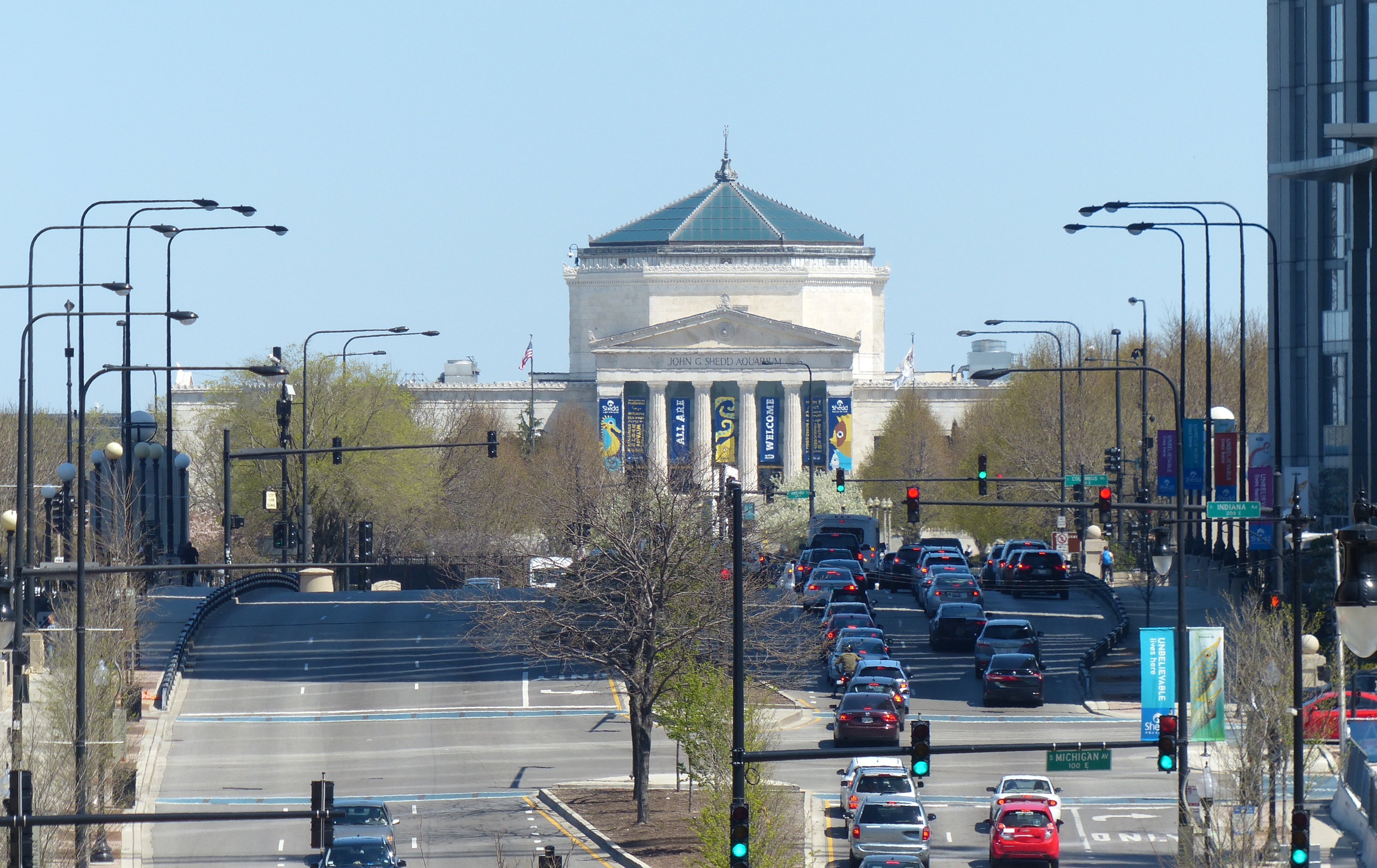
This view is along the west-east axis of Roosevelt Road in Chicago. It centers on the Shedd Aquarium. Elements include regular lanes and streetlights, medians and traffic lights directing traffic movement. The layout of Roosevelt Road (1200 block south or 12th Street) follows the city’s grid pattern. It is an example of urban planning balancing with elements of nature as the view terminates at the lakefront and includes green spaces, an essential part of the city’s heritage.
Explore the practical application of the implementing the principle of axis in your spaces and designs, interiors or urban projects to engage and benefit your audiences.
Resources.
The photographic collection of Divi Logan. 2012 to present.
Copilot search. “Describe the axis along this museum corridor. Sent by you: Describe the axis along this museum corridor.” sl.bing.net/iVXkKxeXa6C. 17 April 2024.
Copilot search. “The importance of axis in architecture. Sent by you: The importance of axis in architecture.” https://sl.bing.net/g5yss2hhJRs. 18 April 2024.
Discover more from Frame the Works
Subscribe to get the latest posts sent to your email.

 Frame the Works