Public Works, that is. Photographs and Research Documenting our Industrial Heritage. Includes Field Notes with Archival Quality Photographs and Cartographic Studies.
Hierarchy in architecture. The Principle of Hierarchy. Presentation Number Three. The Principles of Archiecture.
Hierarchy: The Design Elements of Size, Shape, Color, and Prominence in Structures.
Hierarchy refers to the arrangement and organization of architectural elements based on their relative importance within a design. The principles of hierarchy include scale and proportion, contrasting use of materials, colors or shapes to highlight specific features. Varying the size and scale of the elements creates domination and subordination.
Architects may use hierarchy to establish order, balance, and visual interest. Well-executed hierarchy establishes order, preventing chaos and enhancing functionality.
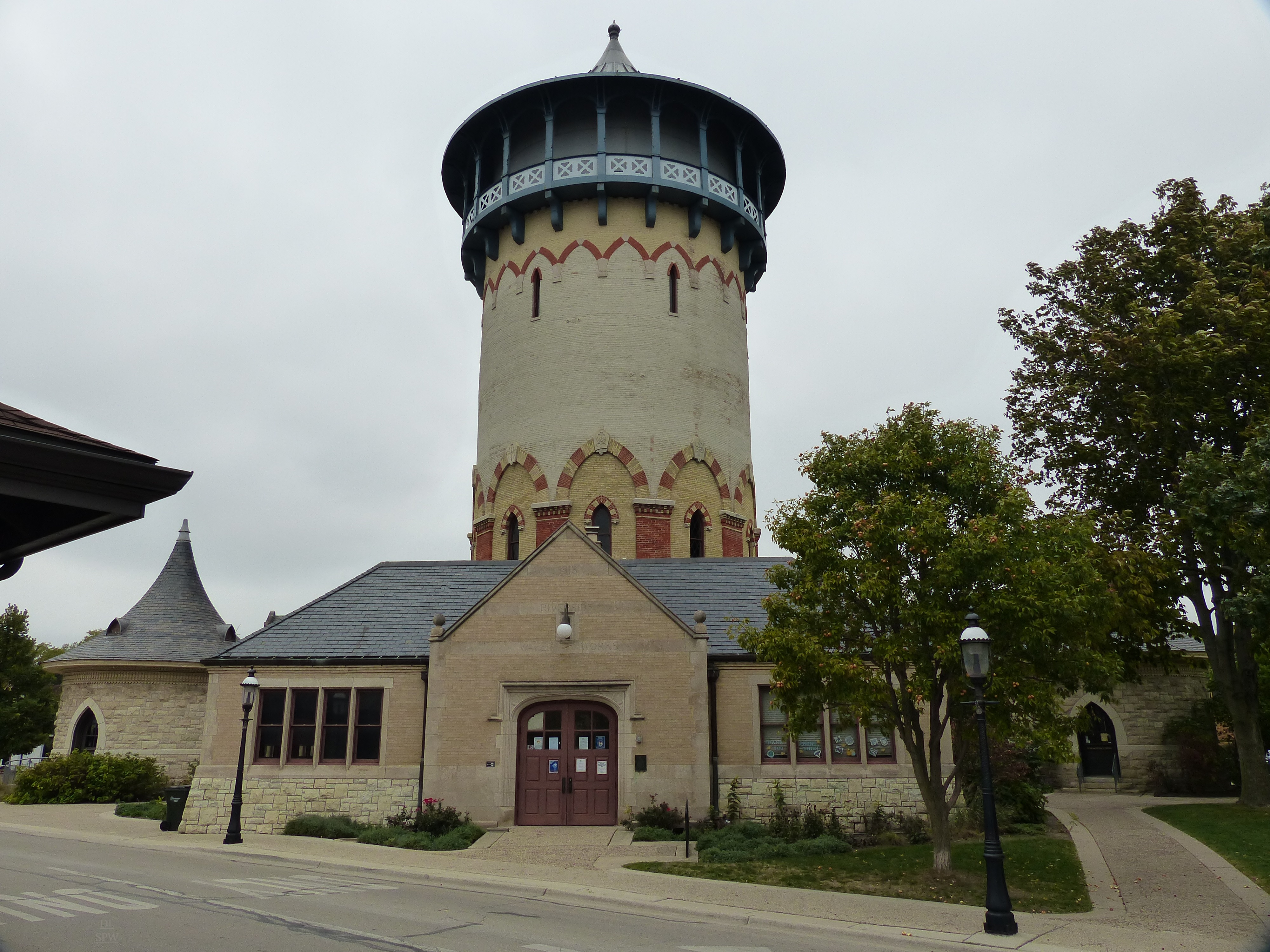
Structures may have historical hierarchy, as noted in descriptions of the Water Works in Riverside, Illinois.
Hierarchy of Construction Principles: Size, Shape, Color, Positioning of Elements
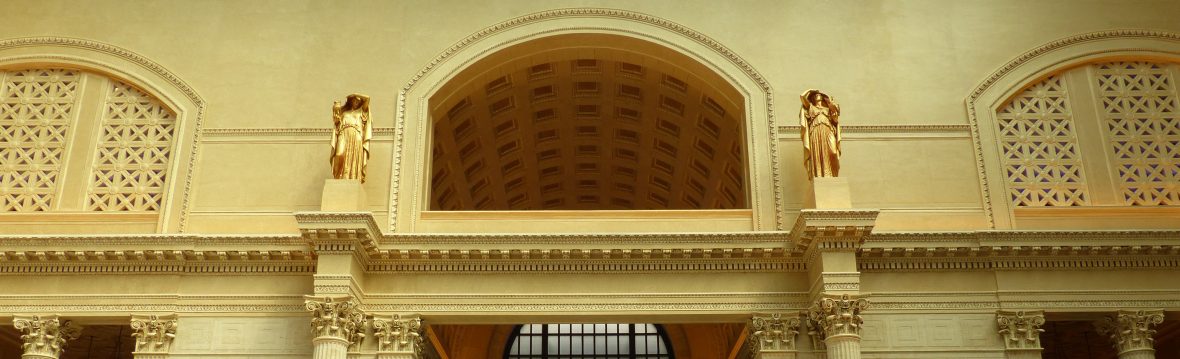
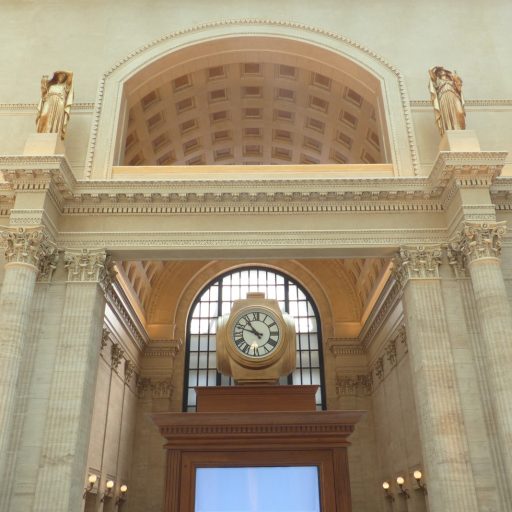
The Great Hall of Chicago Union Station is an exceptional example of hierarchy in size, construction elements, and its stand-out Corinthian Order, which sets it apart from the rest of the station’s multiplex.
Designed by the renowned architecture firm of Graham, Anderson, Probst & White, this waiting area is at the heart of the iconic transportation center.
The Great Hall seamlessly connects smaller spaces for passengers and crew services. A corridor to the center right in the left photo leads to ticketing areas and concourses. Office spaces may be accessed from elevators and staircases at either end of the hall.
Here, the Adams Street entrance level is seen in the background, and the South Clinton Street entrance is to the left center. The photo’s vantage point is from below the Jackson Boulevard entrance level. Along the north-south axis, notice the remarkable barrel-vaulted skylight, which spans the entire hall, at 219 feet long and 115 feet above ground.
The Great Hall, including the skylight, was restored splendidly, the project being completed in 2019.
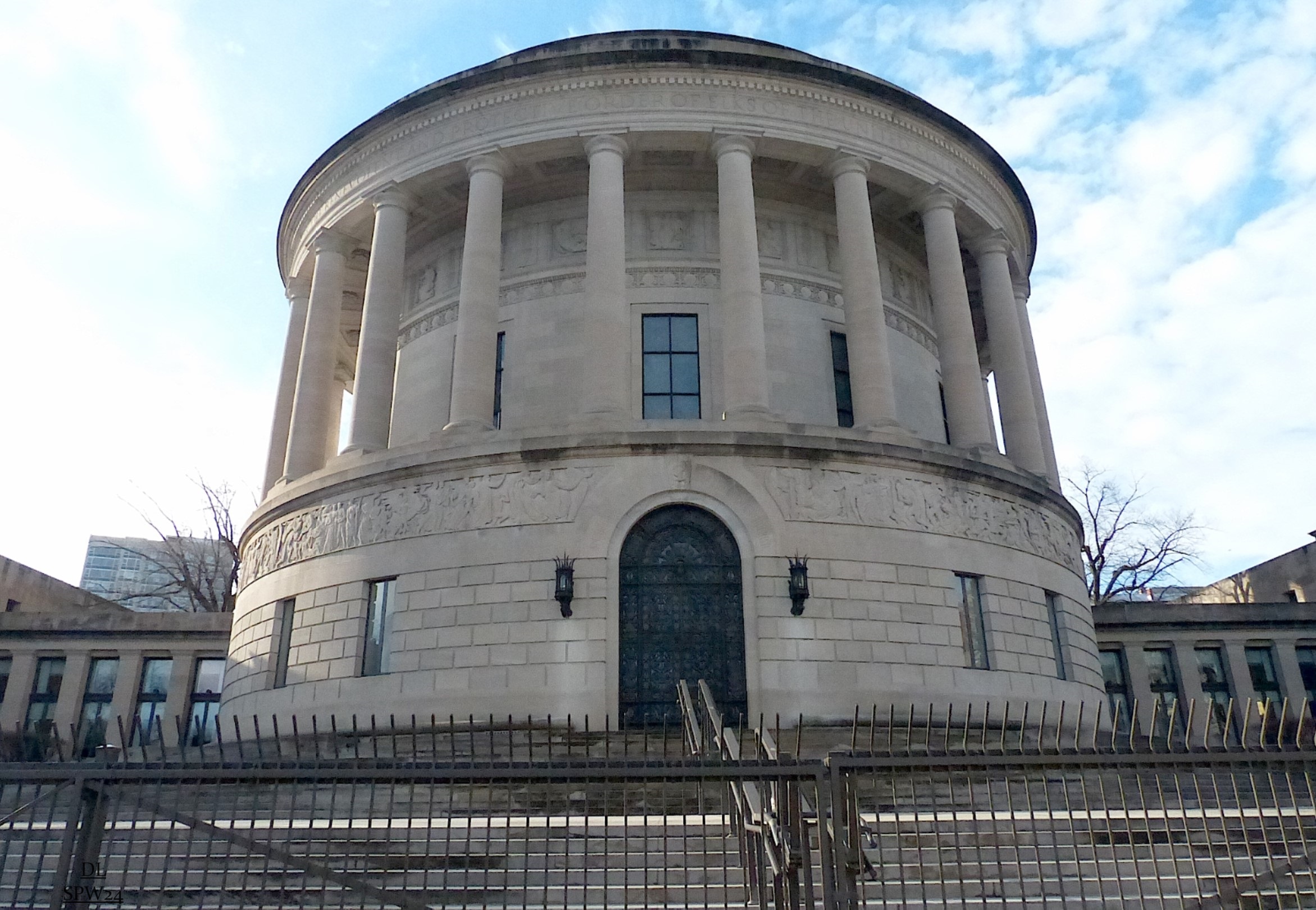
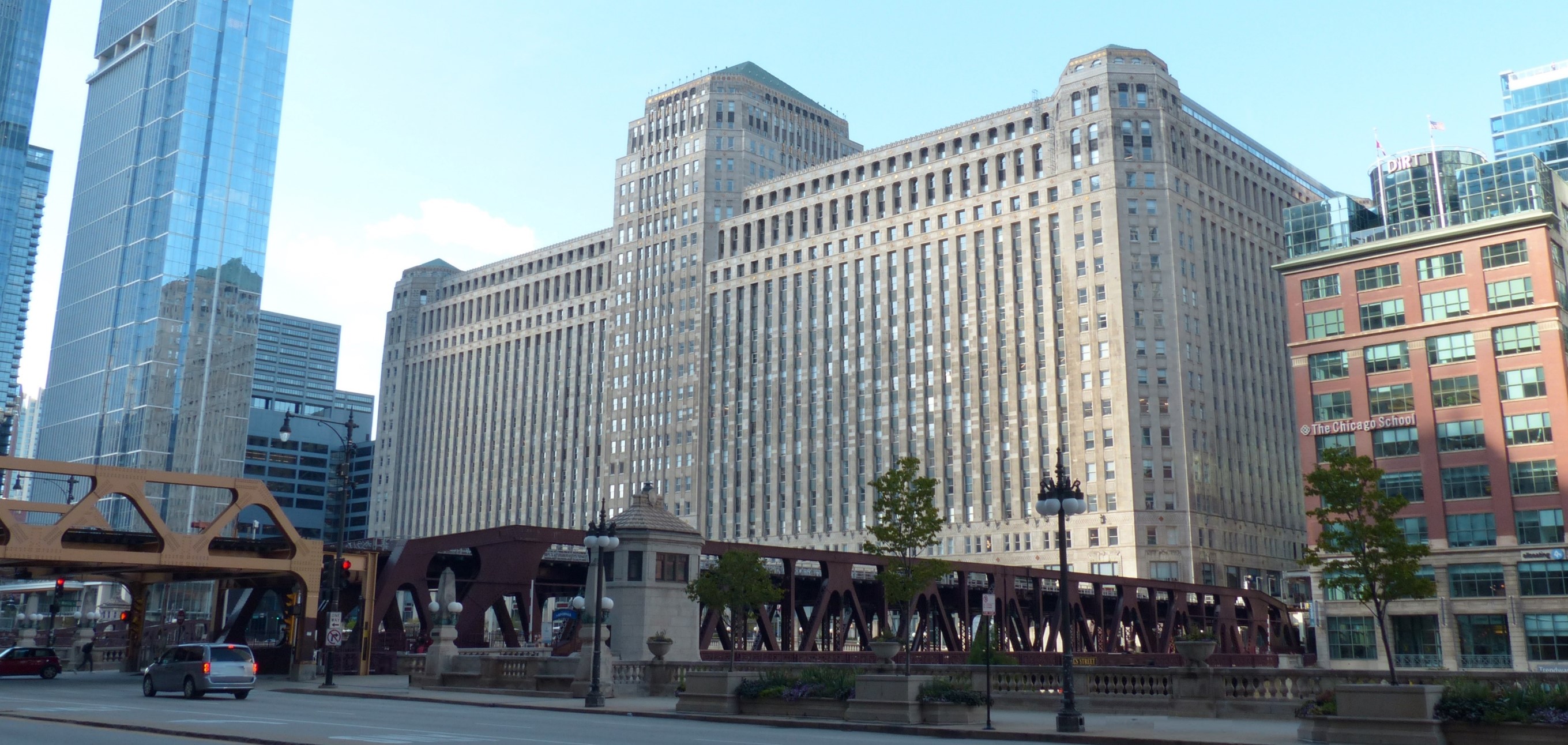
The station was completed in 1925.The rotunda of the Elks National Headquarters in Lincoln Park was conceived as a memorial to the Elks who were lost in World War I. The structure was completed in 1926 and has been rededicated to honor members lost in subsequent conflicts. The building combines historical reverence with architectural excellence. The Merchandise Mart is a significant structure in the realm of Chicago’s architectural history. It was once the largest building in the world and is two city blocks wide by one city block long, occupying more than 4 million square feet. It was once the warehouse for Marshall Field. In the decades following the Great Depression, the structure has been adapted for retail use, tech startups, and designer showcases.
Designer: Alfred P. Shaw Firm: Graham, Anderson, Probst & White Style: Art Deco Year completed: 1930 Materials: steel-frame clad in limestone, terra cotta, and bronze.The Sears Tower shows hierarchy of record-breaking height, the tubular shapes and structural design, and the great amount of steel and glass used in its construction.
To the right is a view from the Roosevelt (12th Street) Road Bridge, and on the left is a view looking southeast before the west elevation plaza was remodeled.
This is Chicago’s tallest building. It encompasses over 4,400,000 square feet. It still has the distinction of the highest occupied floor among North American buildings.
Building completed: 1974.
Height including antennae: 1,729 feet. Without: 1,451 feet.
Hierarchy of History: Preservation and the Heritage of Industry in the United States
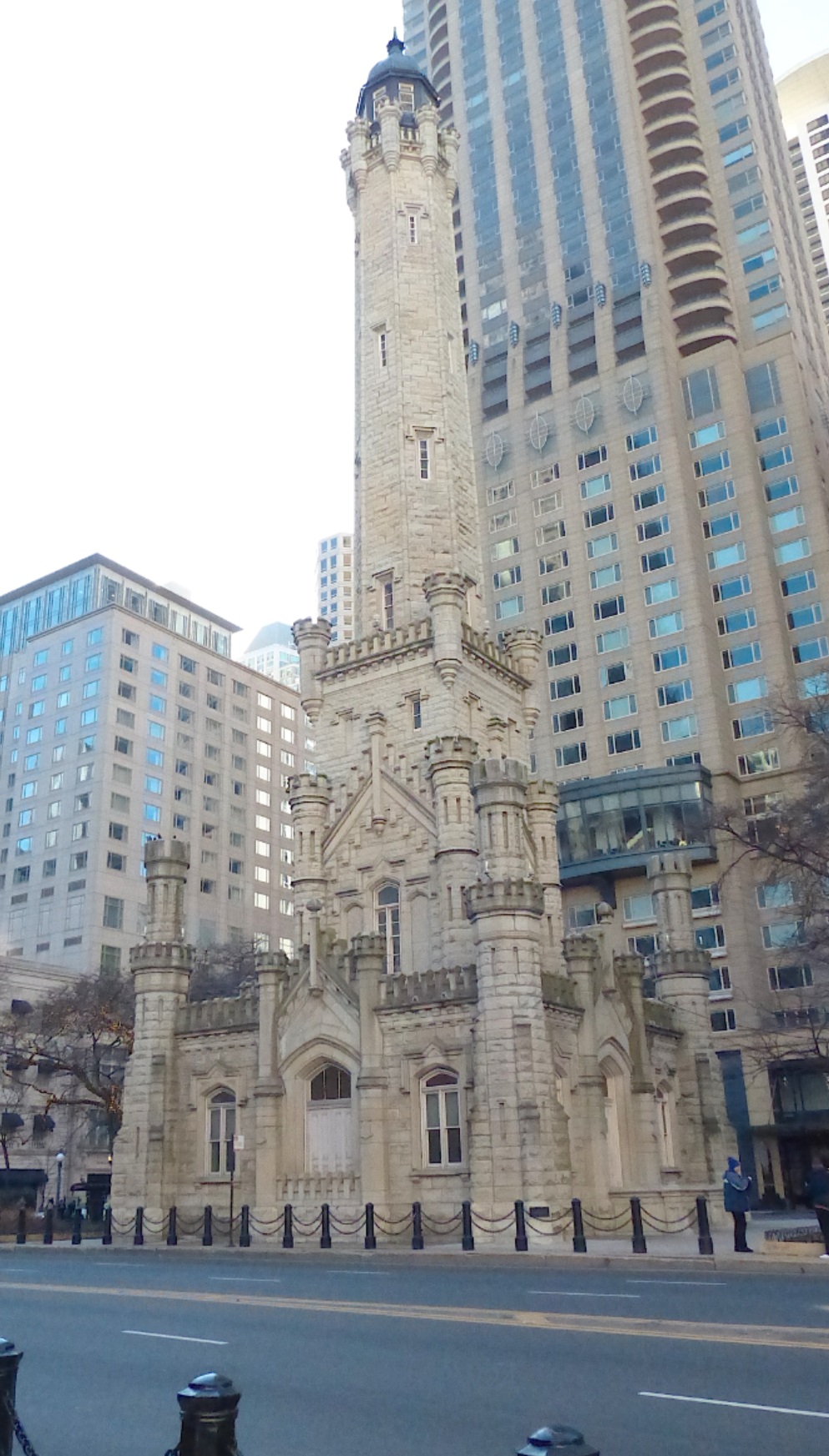
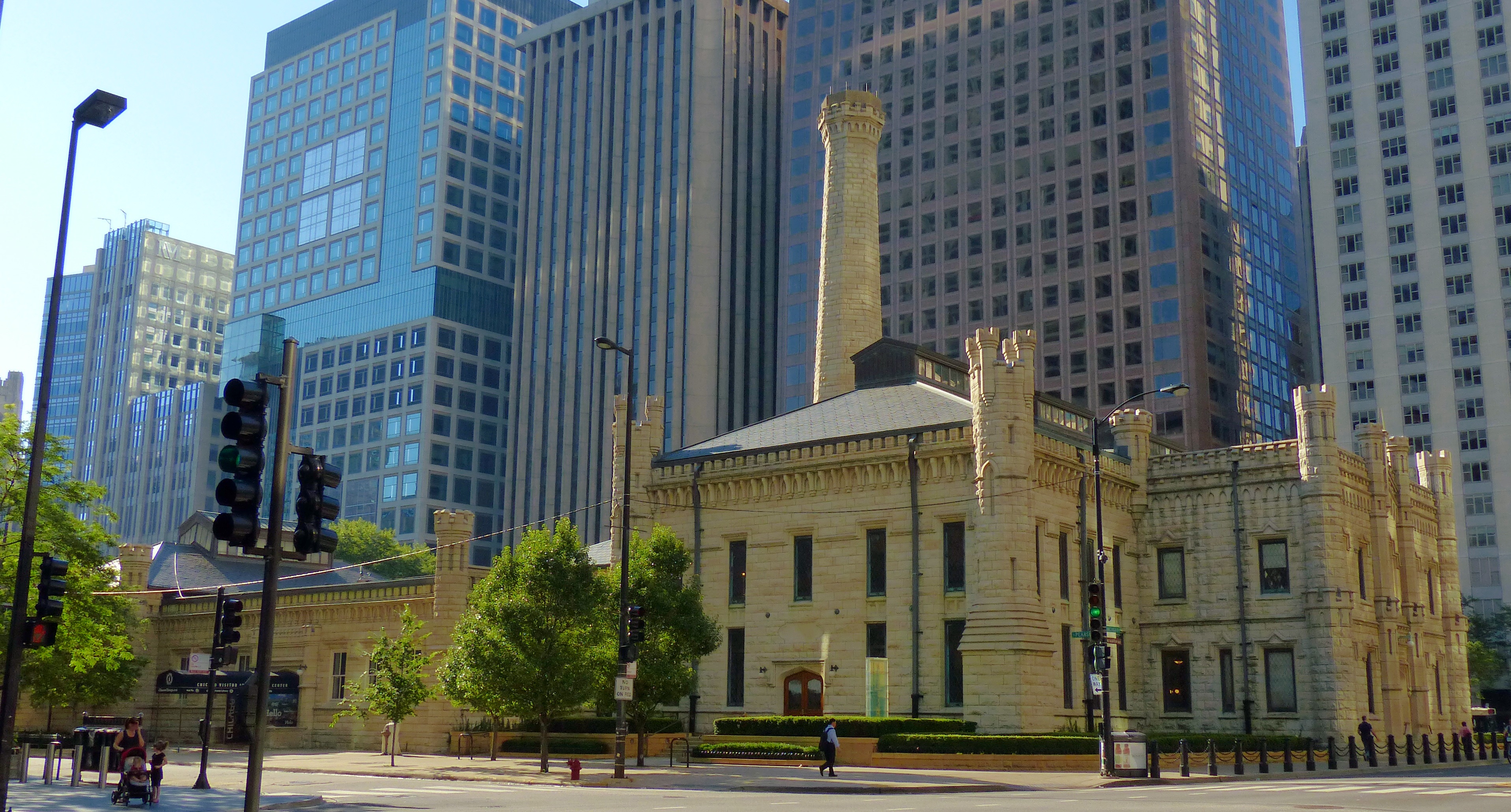
The iconic Water Tower (1869) in downtown Chicago survived the 1871 fire. It stands across from the Pumping Station. Both are constructed of Joliet-Lemont limestone. Today it serves as a museum. The tower is in the Castellated Gothic Revival style. The architect: William W. Boyington.There is still a fully functional pumping room in the Chicago Avenue Pumping Station. The smokestack rises above the engine room. It stands across from the Water Tower. Date: 1869.The Water Tower was the first of the buildings in the iconic Water Works complex and has been vital to the historic village since it was built in 1869. The tower was designed by William Le Baron Jenney in the Swiss Gothic style. The village is considered a National Historic Landmark.This view of the historic Village of Riverside, Illinois and the surrounding countryside shows the position of the Water Tower/Water Works. Other structures notable in the community includes the Riverside Railroad Depot, Presbyterian Church near the center of the image, and the Arcade Building. The Des Plaines River winds through the area between Riverside and Lyons. The perspective is north to south while inbound to Midway Airport.The Hinsdale Memorial Building is significant in the history of the village. It is a war memorial. It is also an exceptional example of community pride, spirit, and cooperation. Funds for the structure were gifted from a grateful community as a tribute to its fallen heroes. Landmark designation: 2001.
Resources.
Copilot search. “Tell me about the importance of the principle of hierarchy in architecture.” https://sl.bing.net/iEoOwZFxOai. 18 April 2024.
Wikipedia contributors. “Chicago Avenue Pumping Station.” Wikipedia, The Free Encyclopedia. Wikipedia, The Free Encyclopedia, 30 Apr. 2022. Web. 19 Apr. 2024.
Wikipedia contributors. “Benevolent and Protective Order of Elks.” Wikipedia, The Free Encyclopedia. Wikipedia, The Free Encyclopedia, 2 Mar. 2024. Web. 19 Apr. 2024.
The photographic collection of Divi Logan, author.
Discover more from Frame the Works
Subscribe to get the latest posts sent to your email.




 Frame the Works