

What is the Doric Order of Architecture?
The Doric Order is one of the five Classical Orders of architecture.
Egyptian architecture is a likely source of inspiration for the Doric Order. Columns on the remains of shrines and temples show fluting, an abacus or flat slab in between the capital of the column and the architrave, and the lack of a base molding, the shaft of the column connecting directly to stepped platforms on which the buildings stand.
The Doric Order was popular in the Archaic Greek era (800 to 450 BC). The peoples of the Dorian region of ancient Greece most likely borrowed techniques and designs from the much more advanced architecture of Egypt, and developed the style, which may take many versions. It is among the simplest of the classical orders.
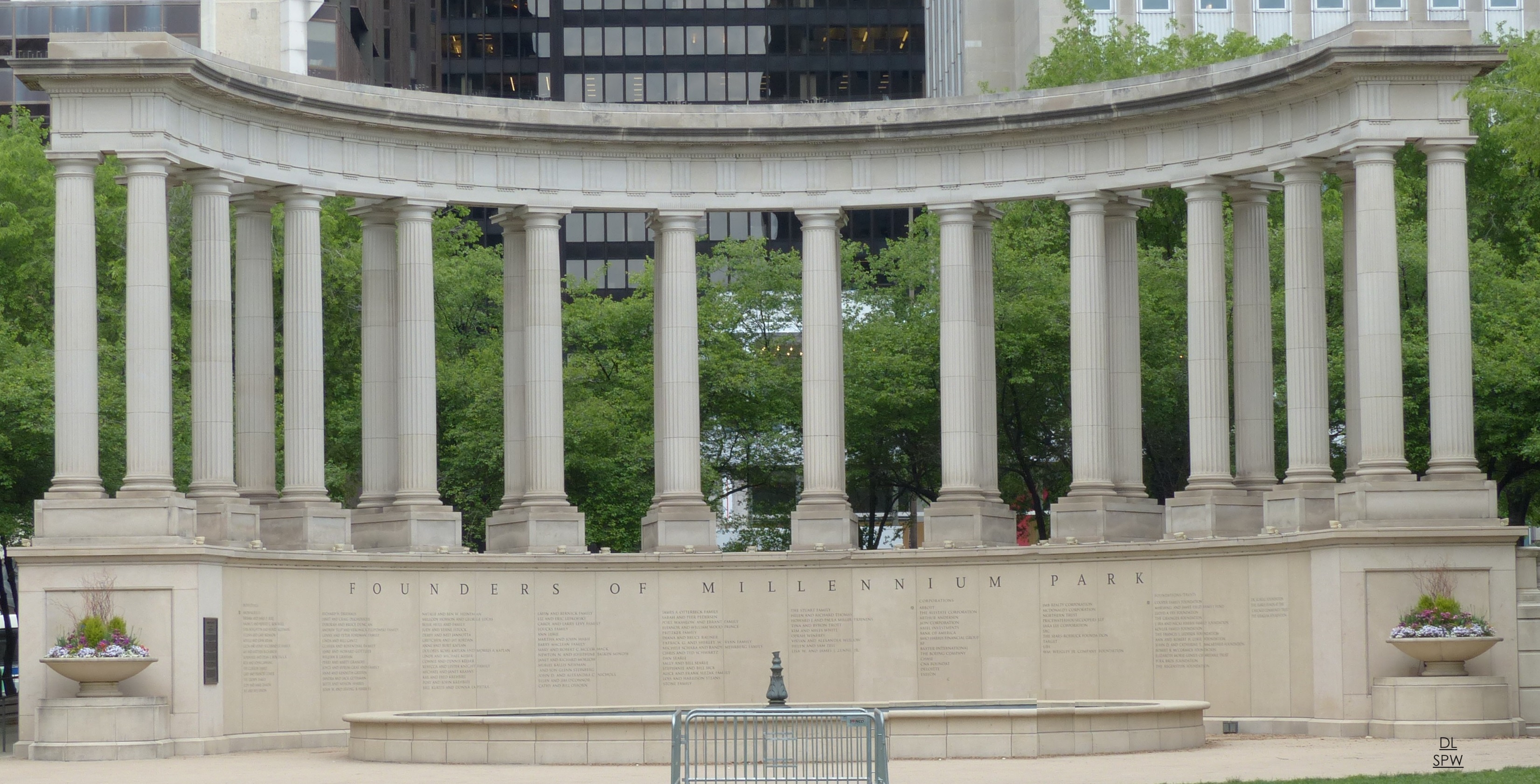
•Distinguishing features of Doric-inspired structures include:
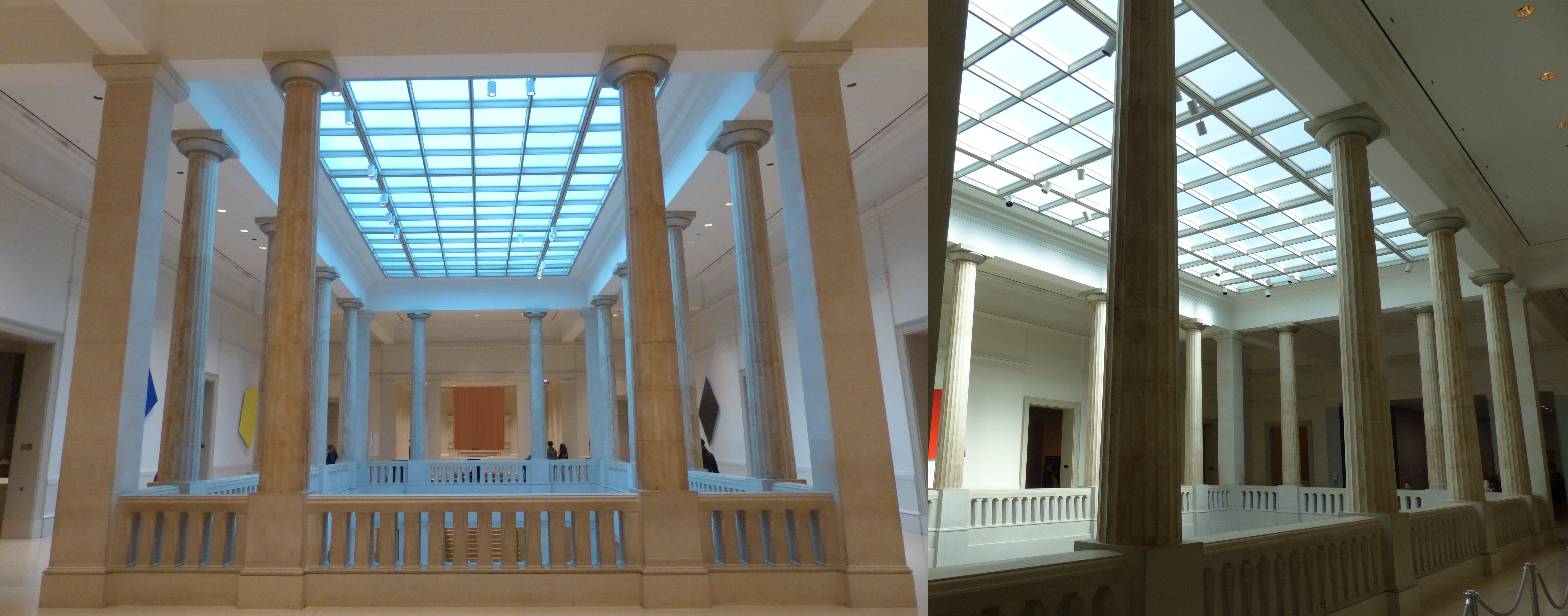
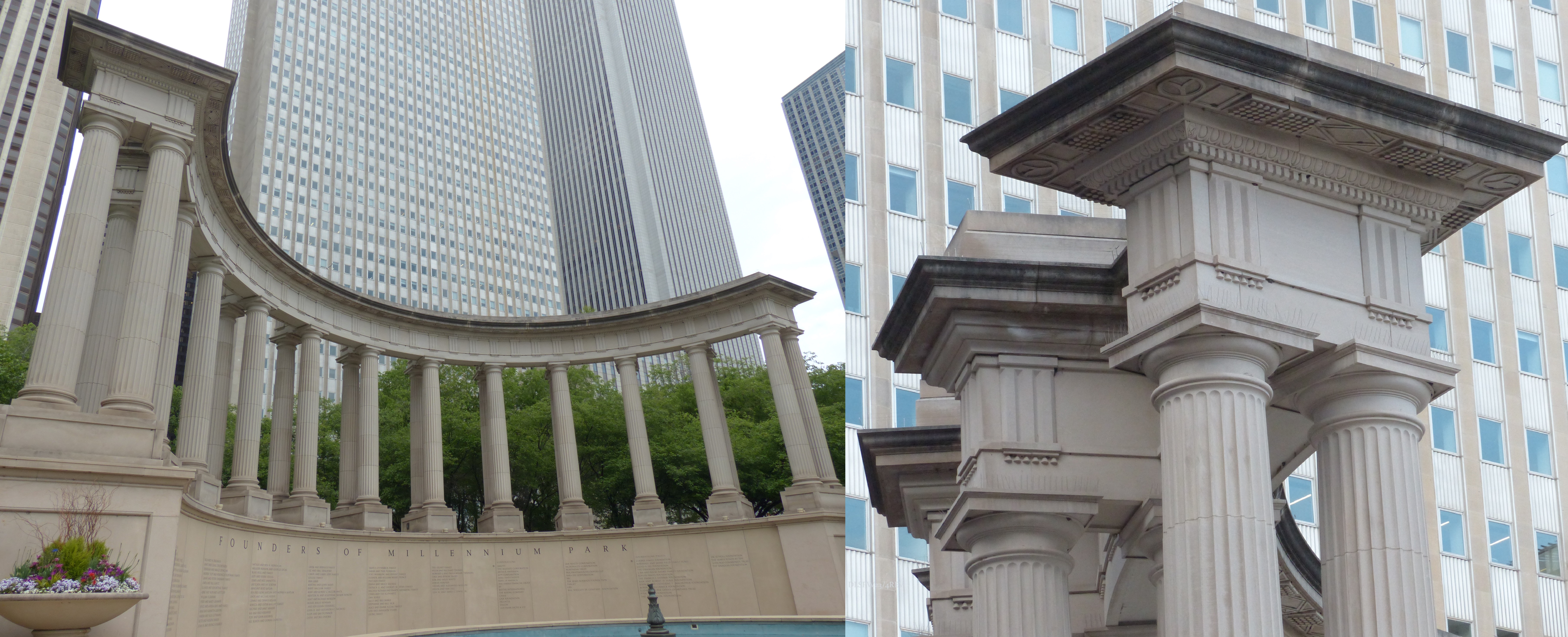
•Fluted, stocky columns with no base molding and standing directly on the platform of the building, called a crepidoma- the usually three-stepped platform, the steps decreasing in size, on which the superstructure rests. The topmost step is called a stylobate with the lower levels called stereobates.
•Column capitals with a plain abacus that distributes the building’s load, a simple circular or cushion-shaped echinus that may be ornamented or restrained in decoration and width and narrows towards the center.
•An ornamental astragal may mark the transition between shaft and echinus.
•An entasis, meaning an illusion of strength or perception of height is given in the slight outward curve as the columns go up from the wider bottom of the shaft;
•Plain architraves;
•Complex friezes ornamented with triglyphs, metopes, regula, and guttae;
•Mutules under a horizontal geison with a horizontal sima (sima are the upturned edges of a roof which acts as a gutter and runs around all sides of the building);
•Pediments (tympanum) with raking geisons and raking simas, the latter usually decorated;
•Acroteria on the corners and at the apex of the pediment.
•Greek temples are open with steps all around the base. There are Greek and Roman varieties of the Doric Order.
The Doric Order Gallery
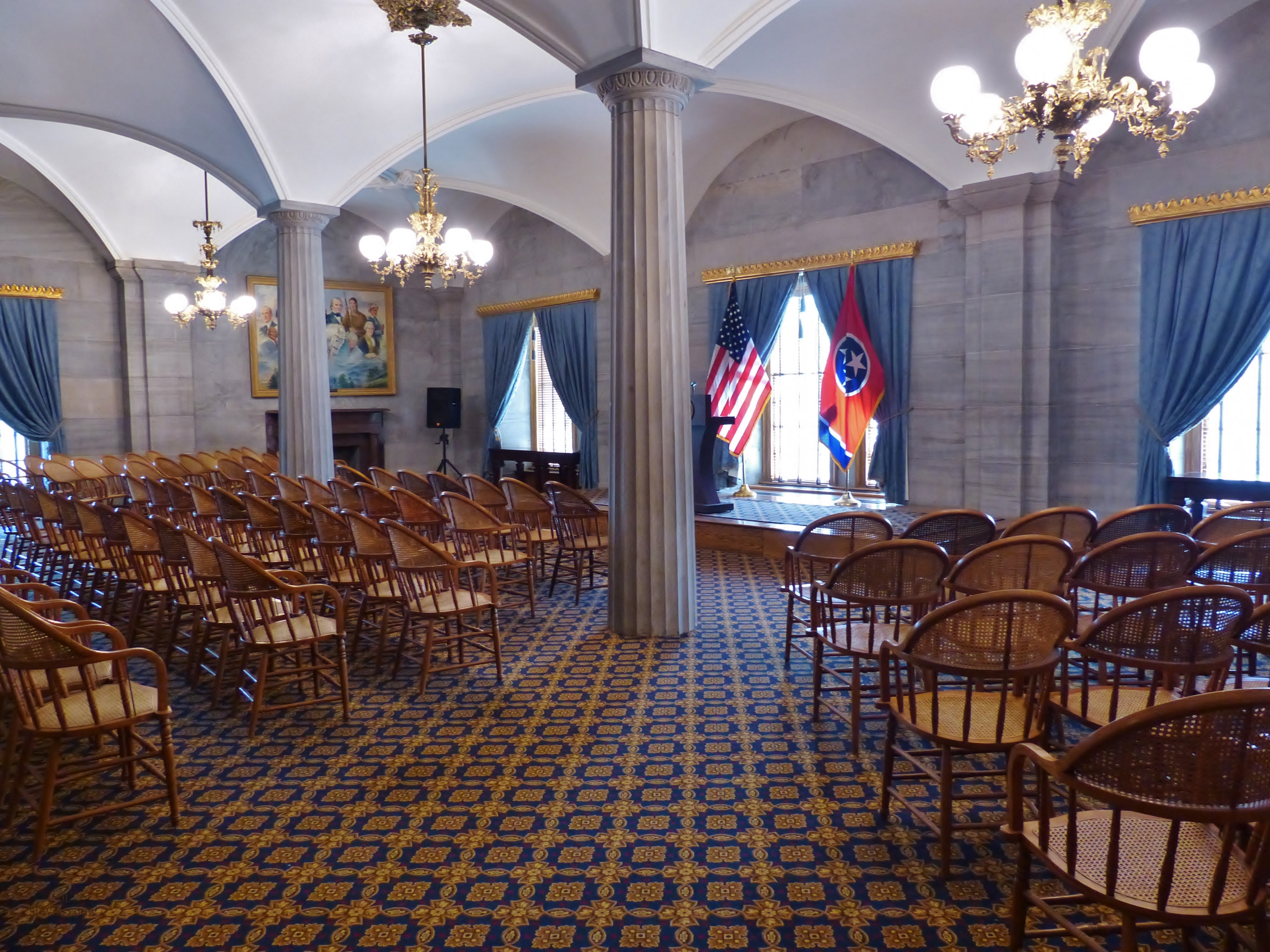
The building was completed in 1859 and is one of the oldest working state capitols in the country.
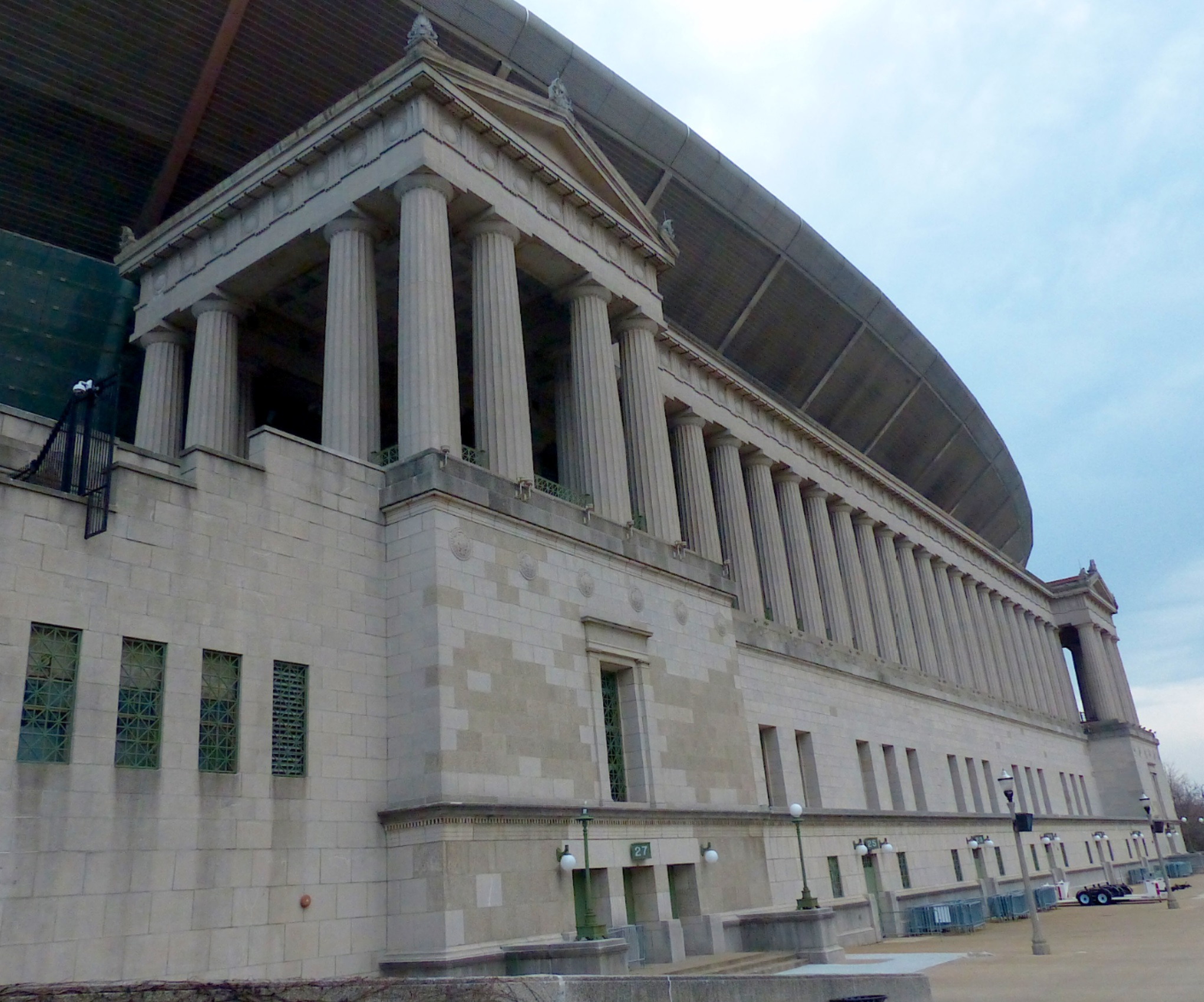
In Greek temples, the columns rest directly on the stylobate without a base, emphasizing stability and strength. The war memorial is crafted of precision-dressed ashlar quality stonework, distinguished by finely cut and regularly shaped blocks of stoned meticulously fitted together. The effect is one of solidity and permanence.
The war memorial at Soldier Field honors United States soldiers who died in combat. The name was changed from Municipal Grant Park Stadium in 1925. The old stadium was designed in 1919 and opened in 1924.
Soldier Field.
1410 South Museum Campus Drive
Style: Doric Order
Architects of the original stadium: Holabird & Roche.
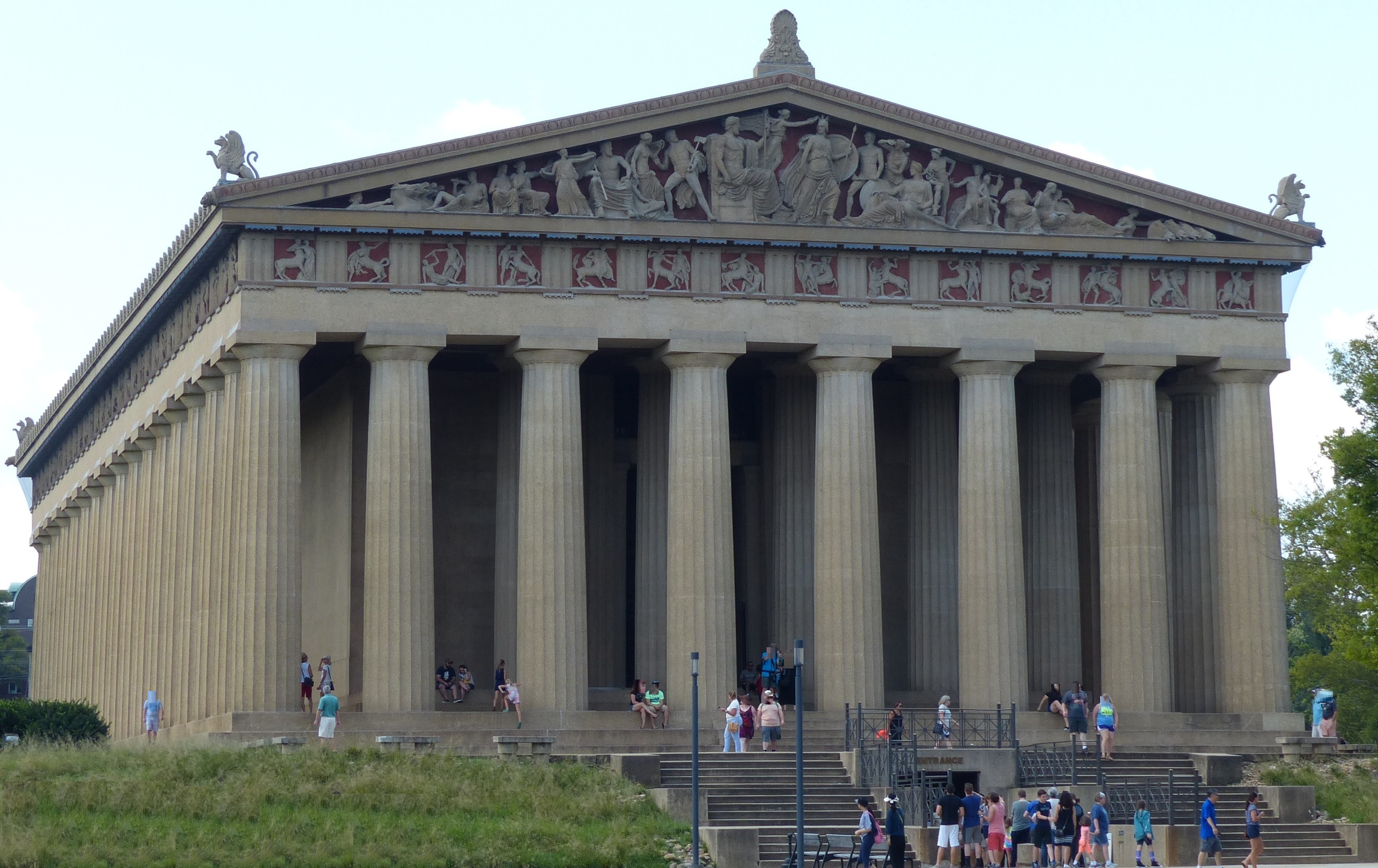
All the elements of pure Doric Order are exhibited here: the frieze with detailed carvings of people and animals, a course of triglyphs and metopes is part of the entablature and in between the architrave and cornice. In the pediment is an intricately carved tympanum. Acroteria crown the pediment, and columns surround the structure on all sides. The columns are classic with drums moving up to the widening near the middle (entasis), and narrowing as the shaft meets the echinus, which meets the abacus. The architrave is rimmed with taenia and regula.
Resources
- Craven, Jackie. “Introduction to the Doric Column.” ThoughtCo, Apr. 5, 2023, thoughtco.com/what-is-a-doric-column-177508.
- Copilot search. “Doric Order column arrangements.” https://sl.bing.net/e3Q79X2jBdI. 15 March 2024.
- Copilot search. ”What is a prostyle in architecture?” https://sl.bing.net/bCE9eU023pY. 15 March 2024.
- Copilot search. “Does this stone structure show an example of ashlar quality masonry?” 15 March 2024.
- Nashville Parthenon. NASHVILLE PARTHENON. The world’s only exact-size replica of the original Parthenon in Athens. The Parthenon | Nashville’s full-scale replica of the Greek landmark (nashvilleparthenon.com). Accessed 14 May 2024.
- Tennessee Secretary of State. “State Capitol.” 2023. https://sos.tn.gov/civics/guides/state-capitol. Accessed 14 May 2024.
- Wikipedia contributors. “Doric order.” Wikipedia, The Free Encyclopedia. Wikipedia, The Free Encyclopedia, 22 Apr. 2024. Web. 14 May. 2024.
- Wikipedia contributors. “Wrigley Square.” Wikipedia, The Free Encyclopedia. Wikipedia, The Free Encyclopedia, 9 Sep. 2024. Web. 10 Oct. 2024.
Discover more from Frame the Works
Subscribe to get the latest posts sent to your email.

 Frame the Works