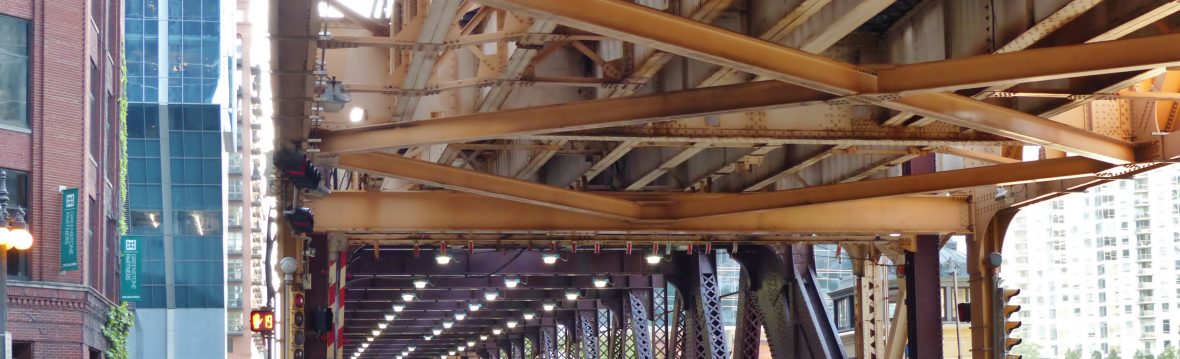
Article and photographs by Divi Logan
1. Introduction
What are Bridge Tender’s Houses? Form, Function, and the Necessity of Customized Inventions Bring the Human Factor to the Daily Workings of Chicago’s Bascule Bridges.
Bridge tender’s houses are the structures near the corners of a bascule bridge, just before the start of the clear span. They once served as housing for bridge tenders and have been a crucial part of the public safety systems of Chicago since the construction of the first bascule bridge. Other types of bridges existed in the city from the 1830s.
The winding, narrow path of the Chicago River became the inspiration for the use of bascule bridges with movable spans that were raised to allow passage of ships. Swing bridges were not practical because of the center-pivot design that inhibited the easy passage of shipping.
2. The Gallery of Bridge Photographs.
Features of two bridges are shown here: the DuSable Lake Shore Drive Bridge and the DuSable Bridge carrying North Michigan Avenue.
2A. The DuSable Lake Shore (Outer) Drive Bridge. The Portal Between Lake Michigan and Downtown Chicago.
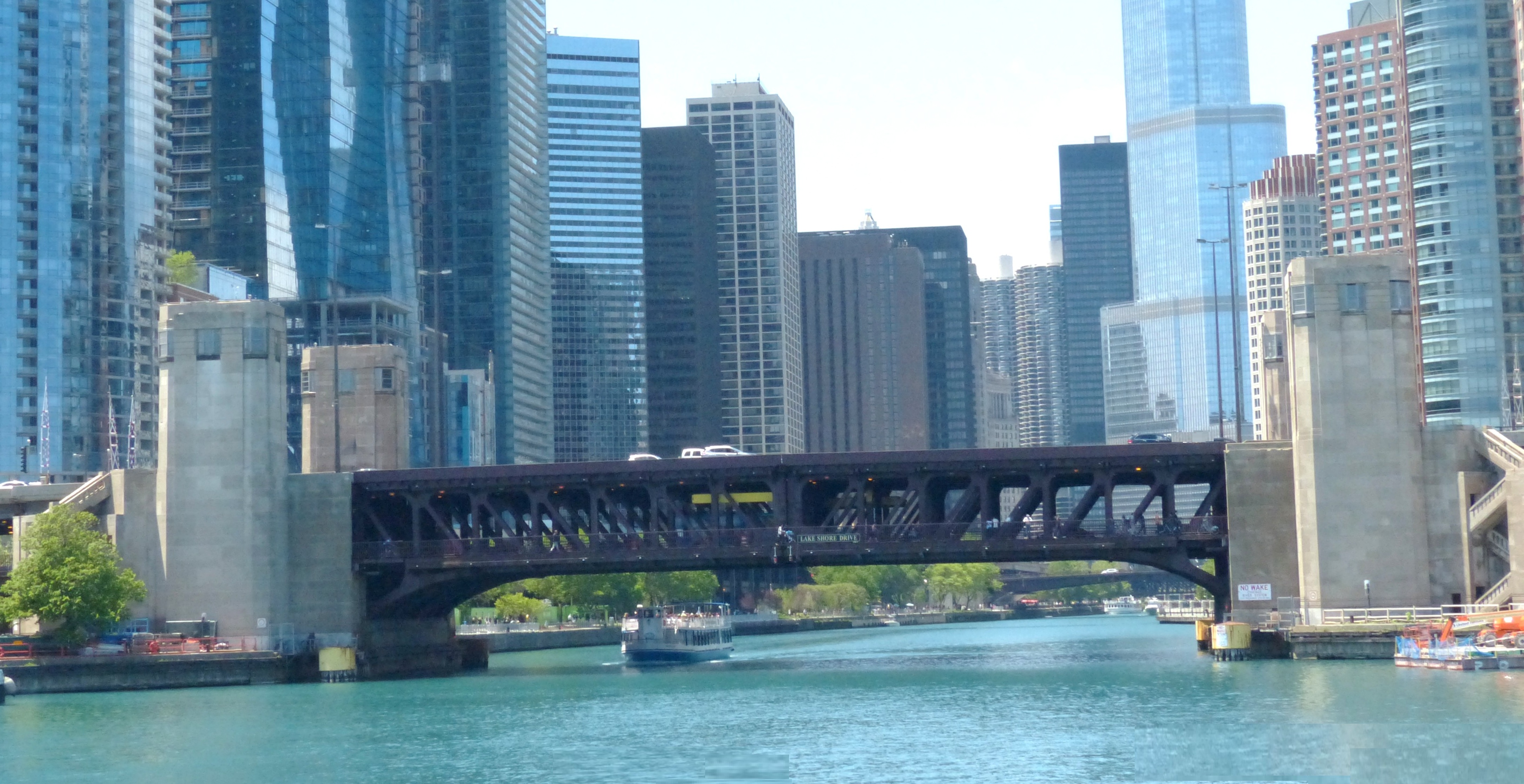
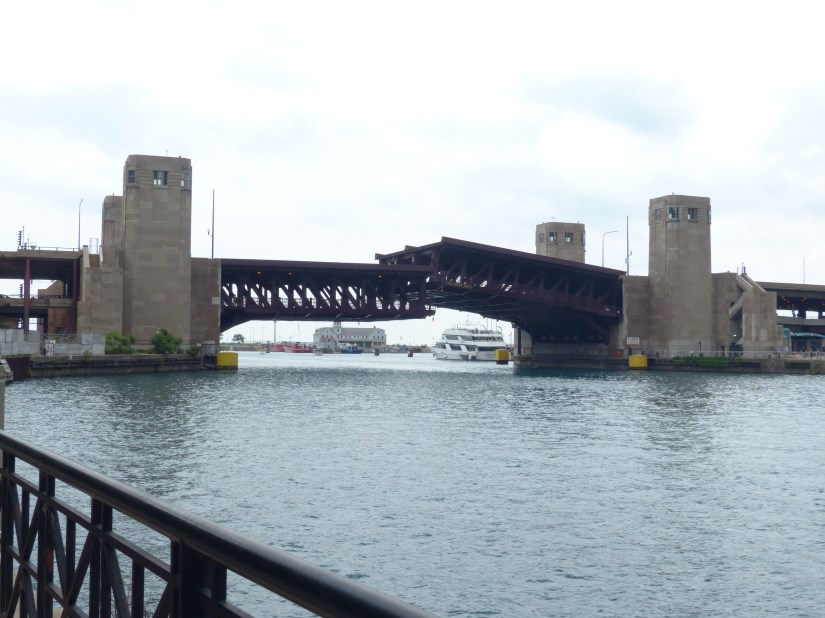
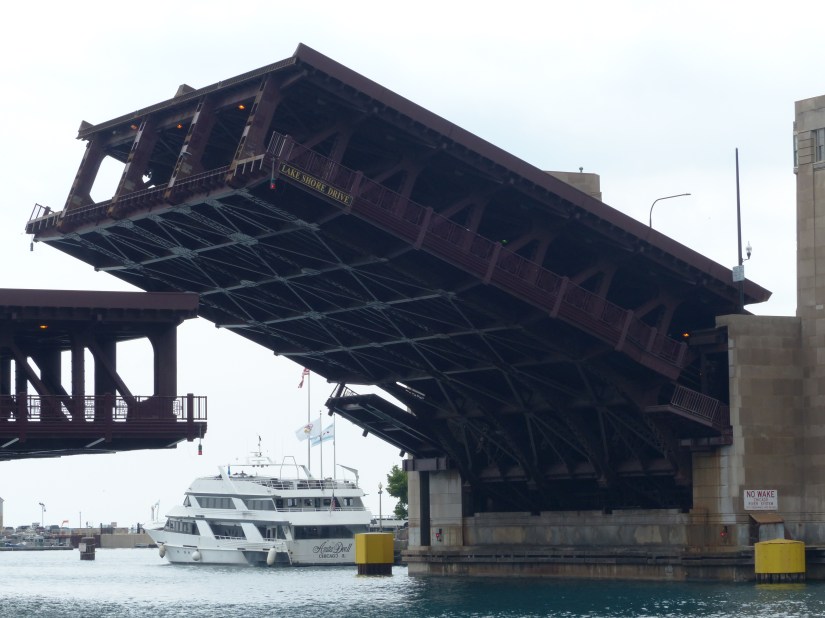
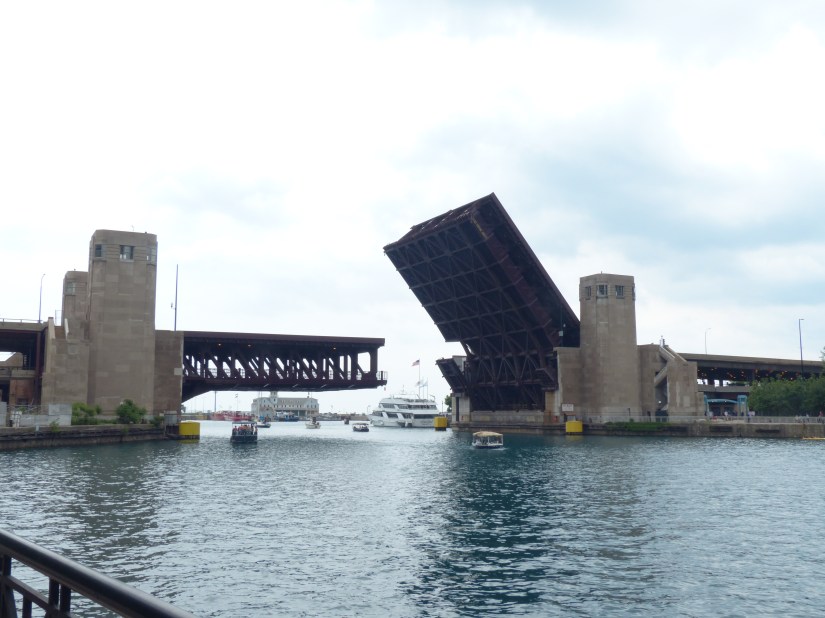
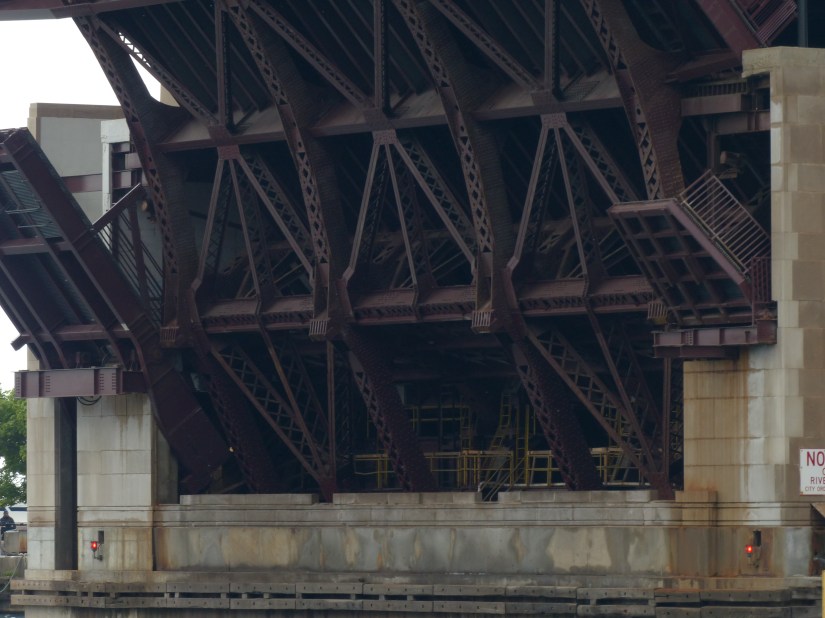
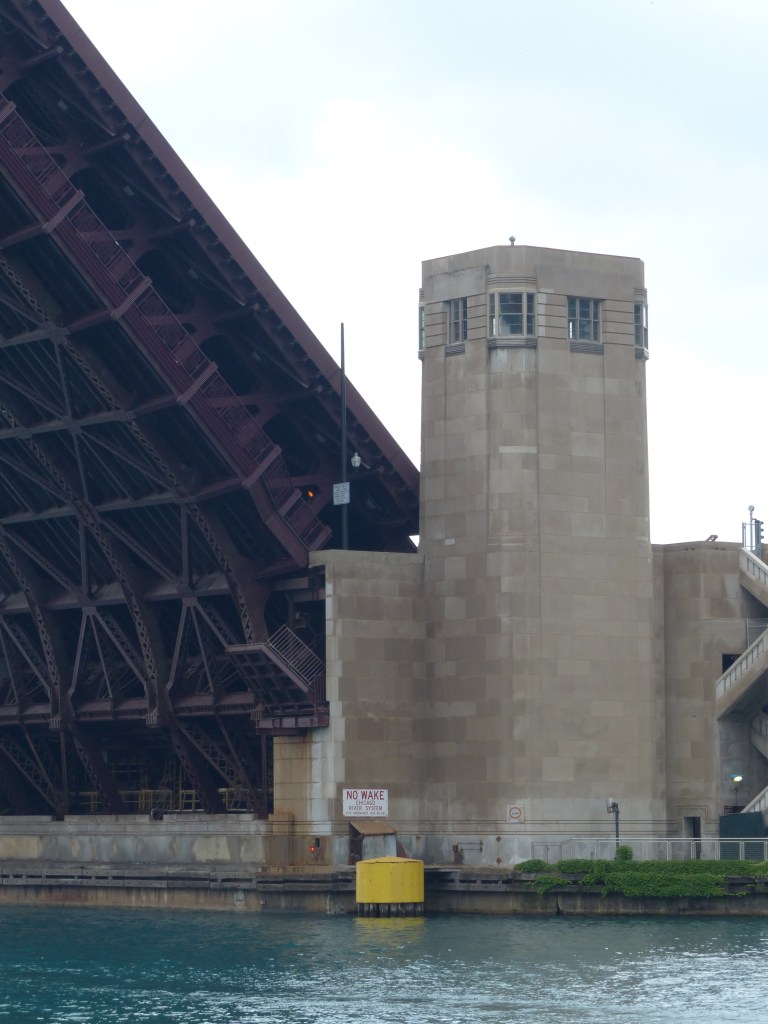
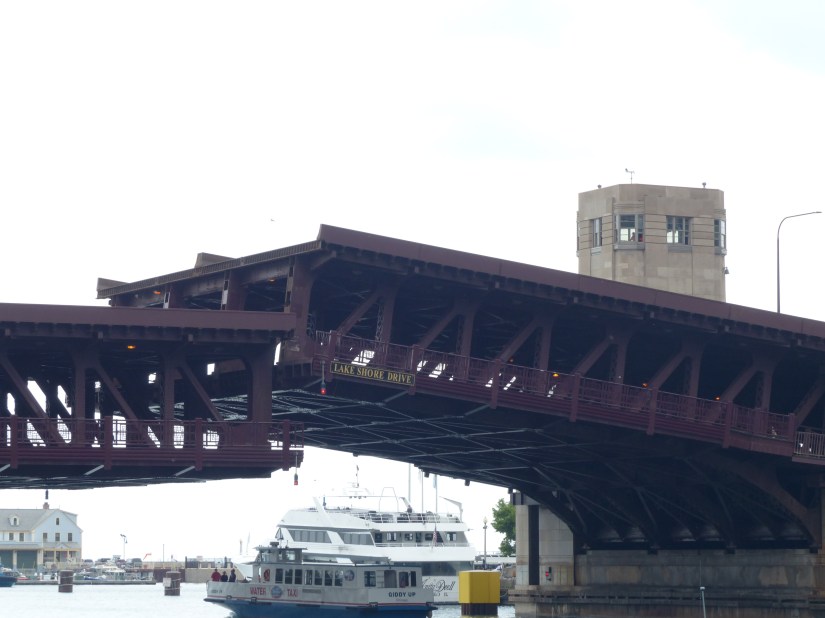
Superstructure, Ketler and Elliot Company. Bridge style: Pratt deck truss. Bridge date: Completed in 1937. Weight: Each leaf weighs 6,240 tons. Materials: silicon steel and carbon steel. Bridge tender’s house construction: concrete piers and abutments faced with stone and decorated with ornamental pilasters. Name change to: DuSable Lake Shore Drive to commemorate the city’s first non-native resident. Taken during an architectural river cruise, a fun way to enjoy an afternoon in the city.
Bridge tender’s houses are an integral part of Chicago’s transportation system history. These structures were once home to the bridge tenders. Tenders were responsible for the safe operation of the bridge and some also served as lighthouse keepers and performed bridge maintenance. Just as first responders must be ready to rush to an incident at all hours of day and night, the bridge tenders had to be ready to attend to ships arriving at any time.
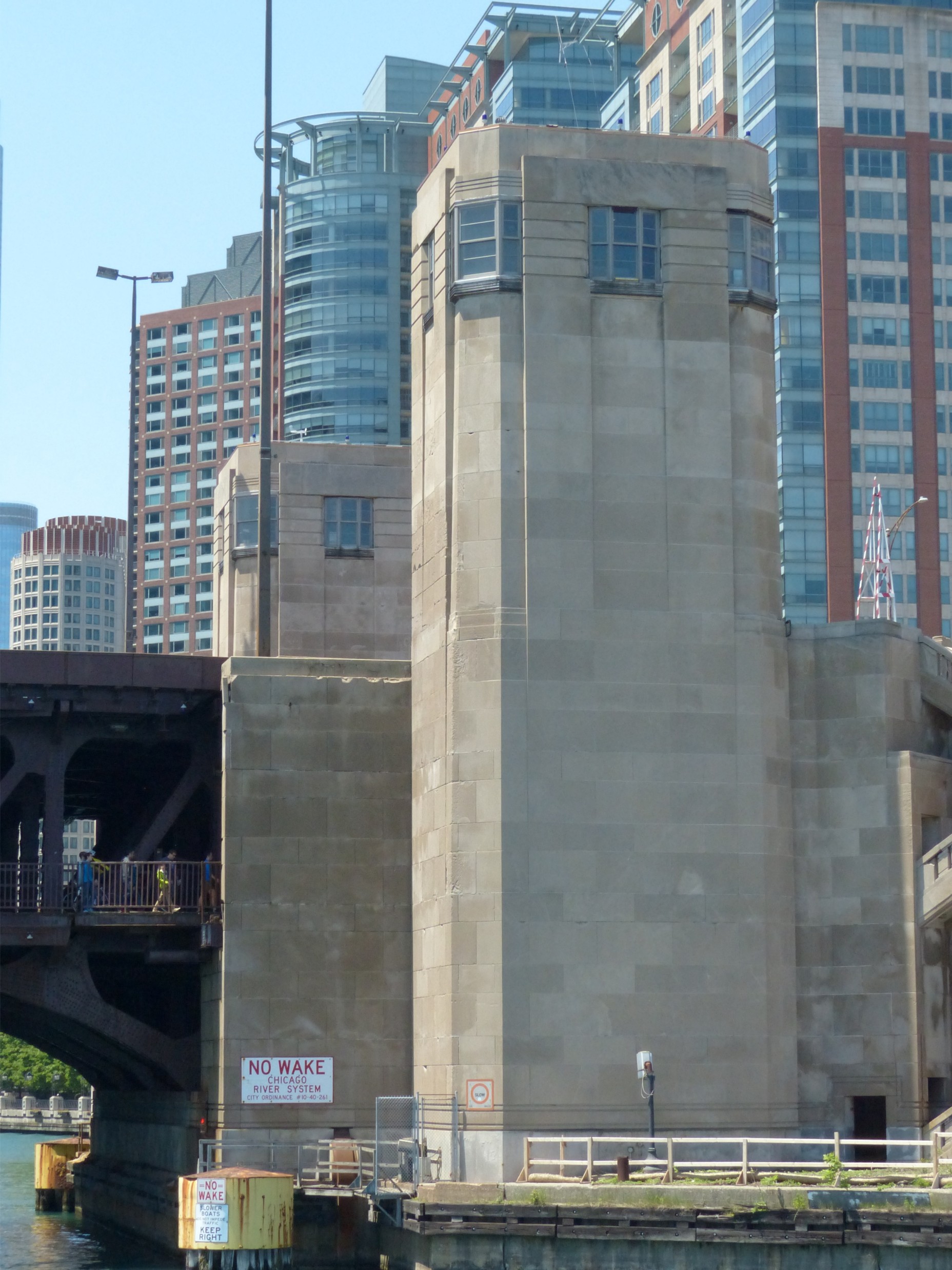
Today’s bridge crews work from these historic and necessary structures, watching traffic along and around the bridges and in the river to ensure public safety. These structures must be preserved in order to continue the legacy of the city’s industrial, infrastructure, architecture, and transportation heritage.
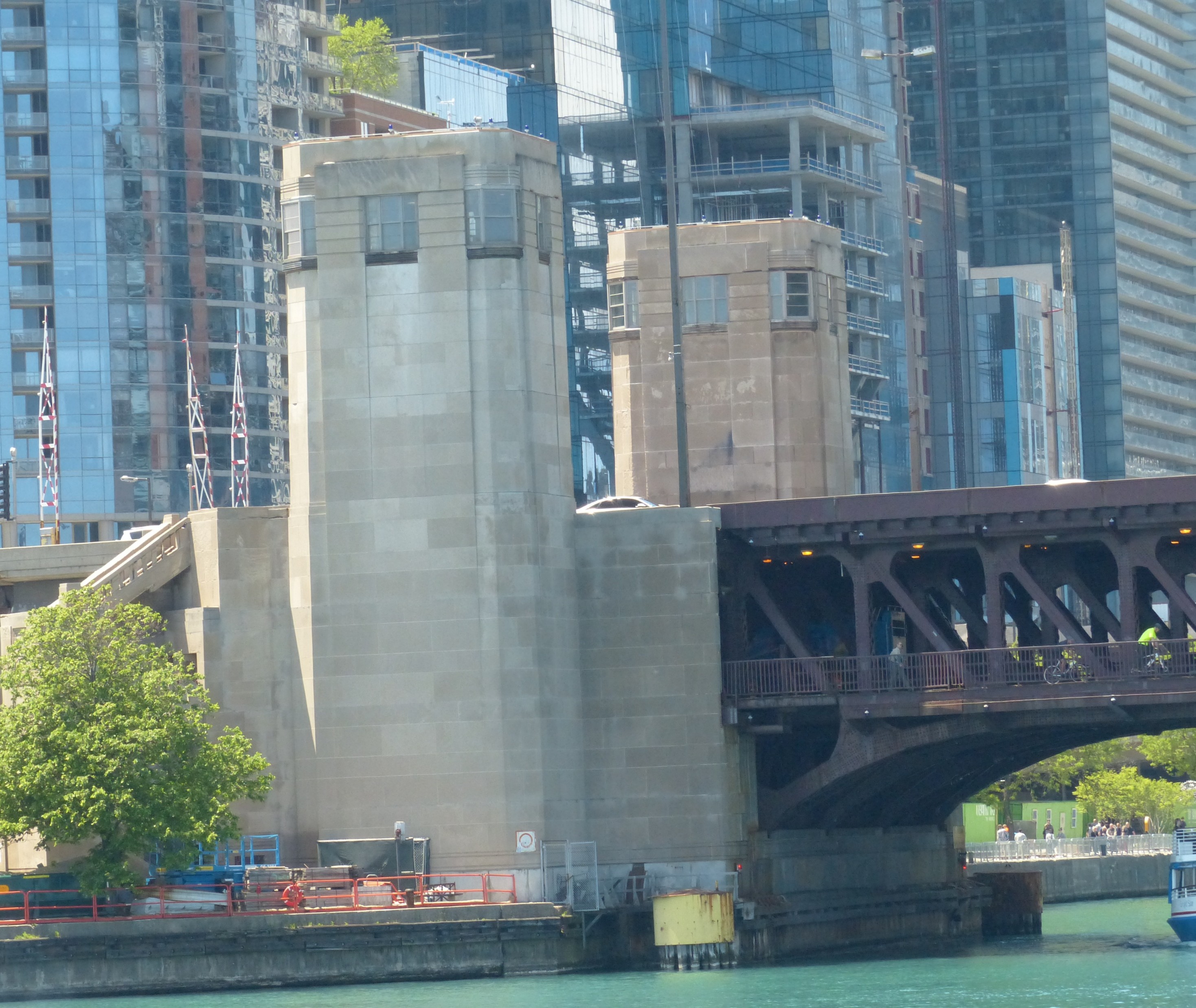
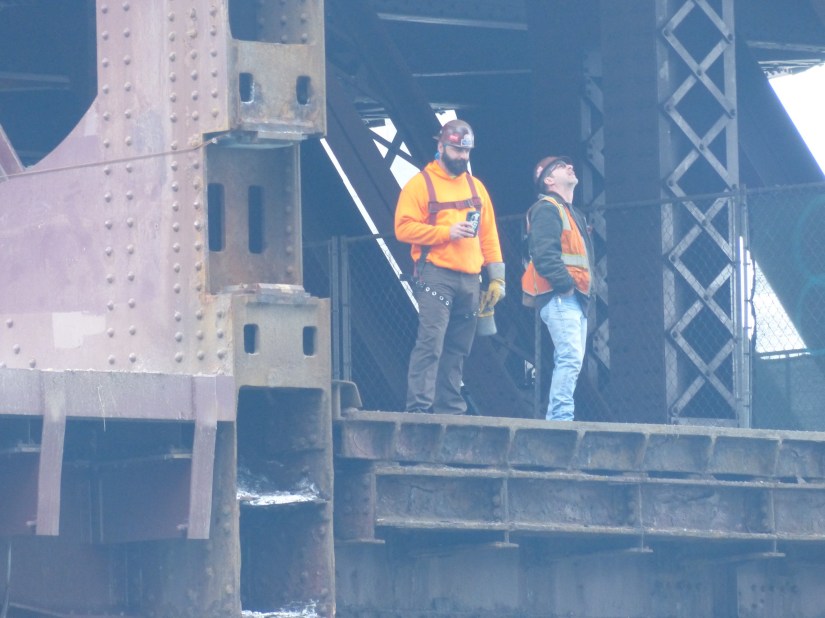
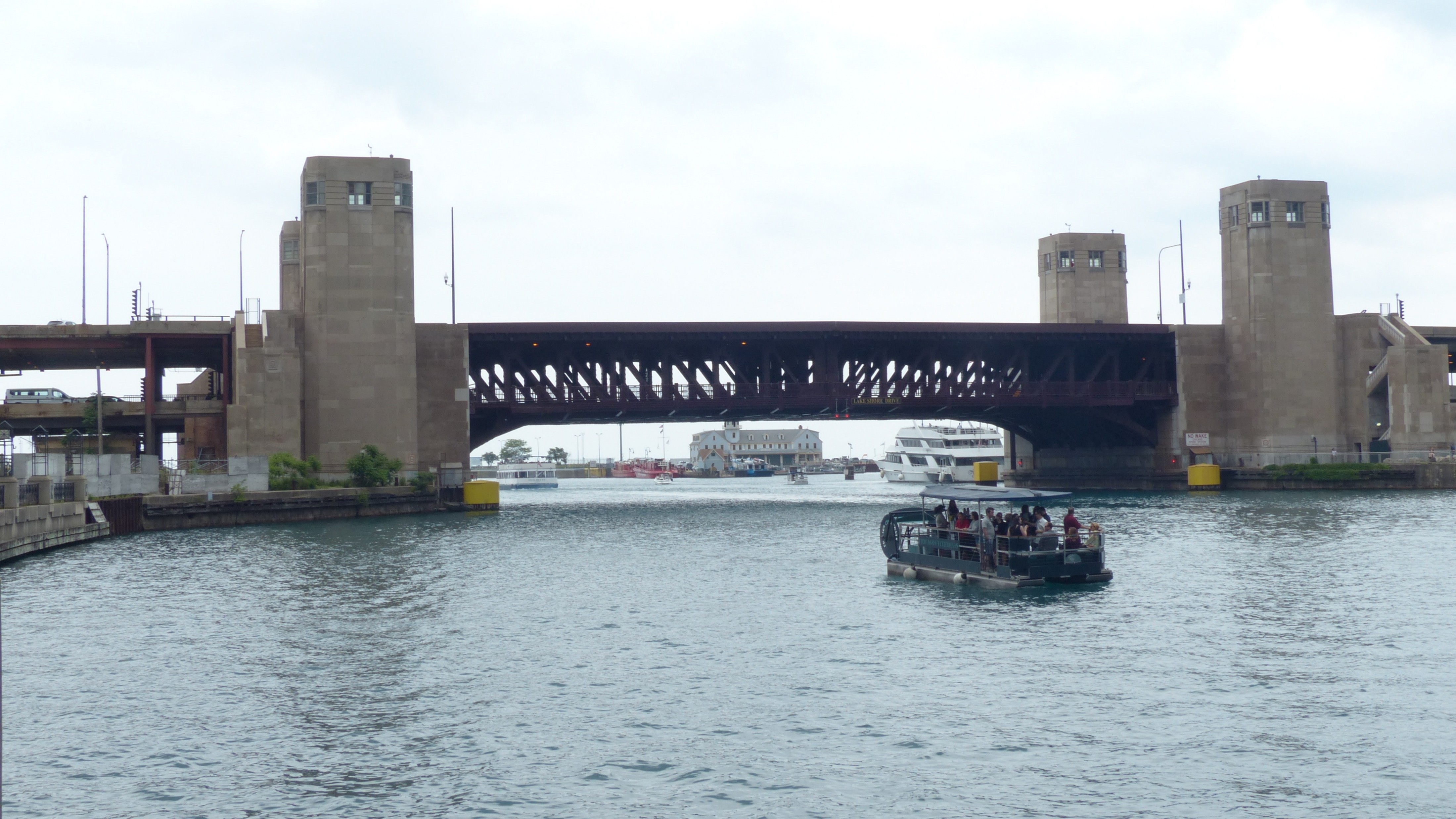
Bridge lift sequence. 11 June 2022. In operation: South leaf and crews in the southeast and southwest bridge tender’s houses. View: east towards Lake Michigan. Photo location: north Riverwalk. Conditions: cloudy. Crew status: present in the tender’s houses and on the bridge leaf prior to the lift, watching the watercraft. Water activity: small craft and touring yachts.
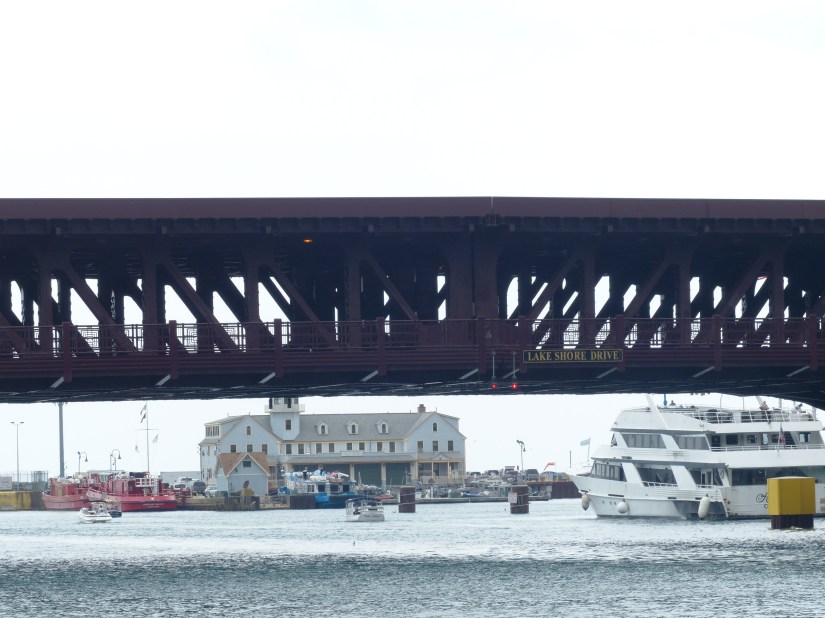
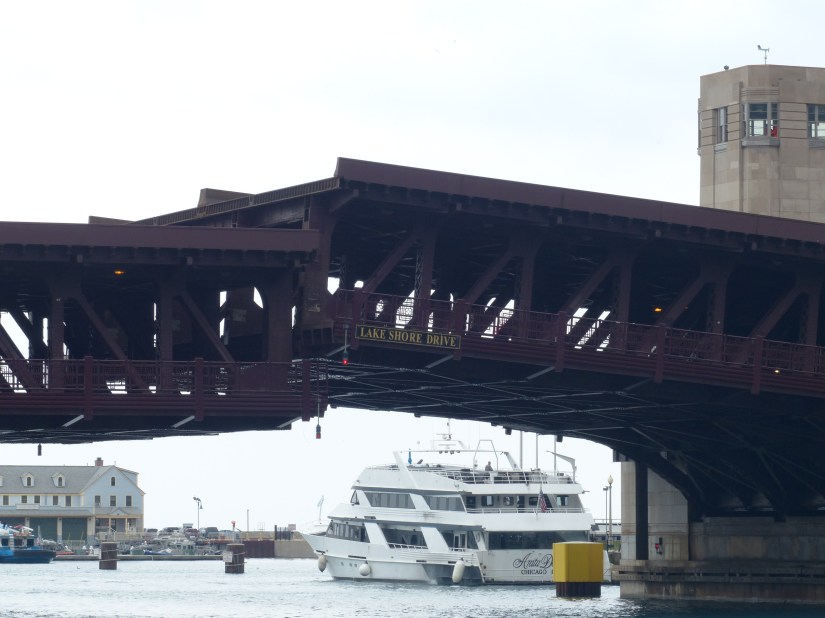
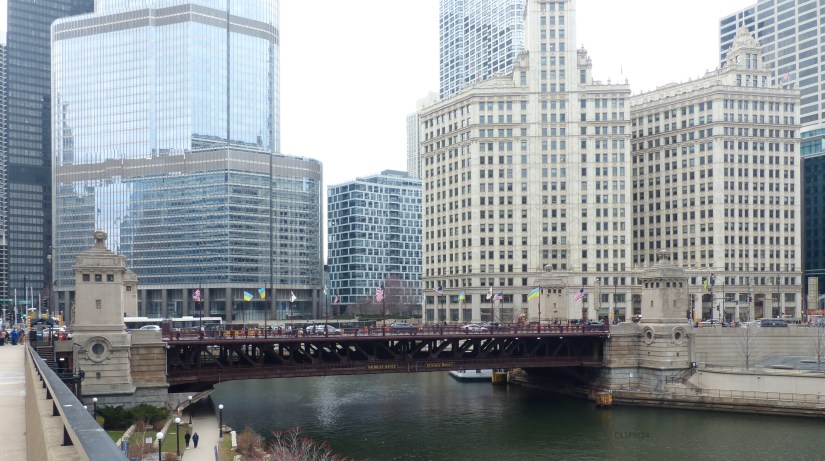
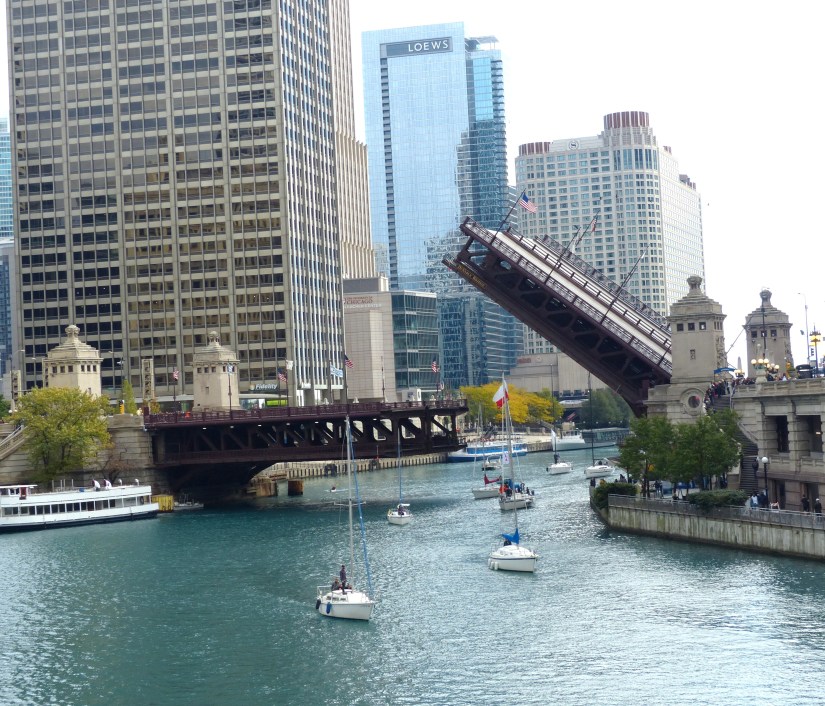
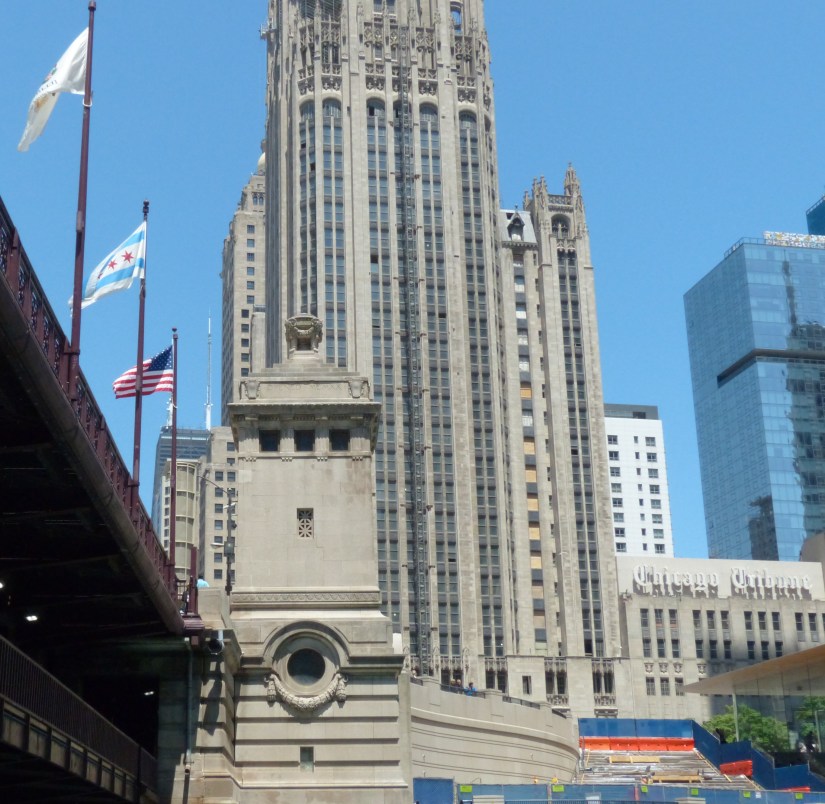
2B. The DuSable Bridge Carrying Part of North Michigan Avenue. Main Branch. Chicago River.
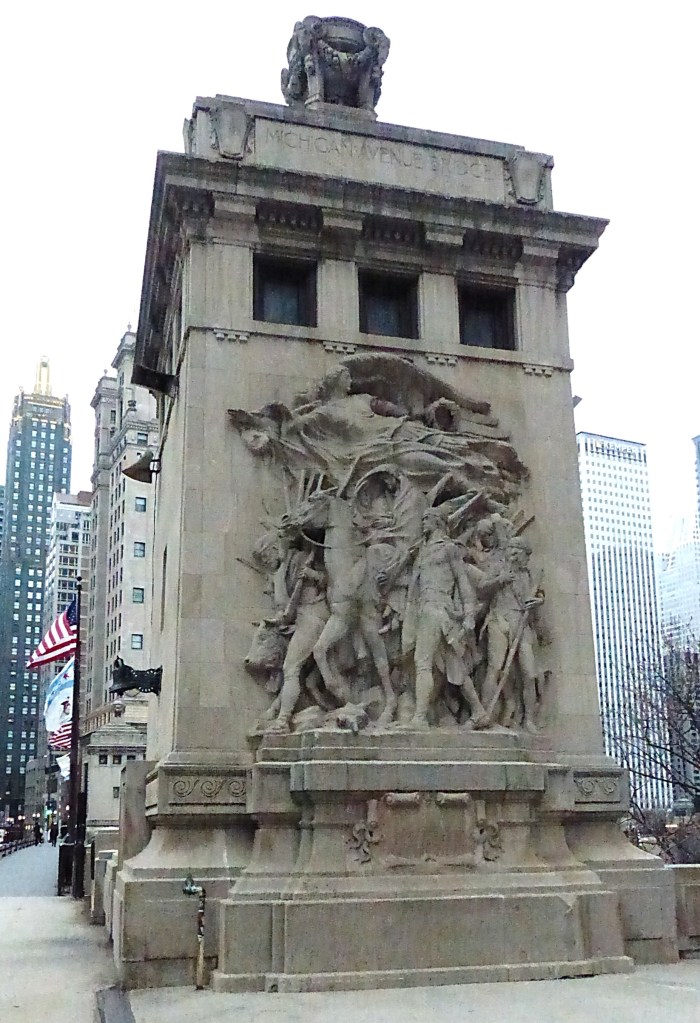
2C. The Bridge Tender’s Houses Include Monumental Artworks Commemorative of Chicago’s Rough and Turbulent History.
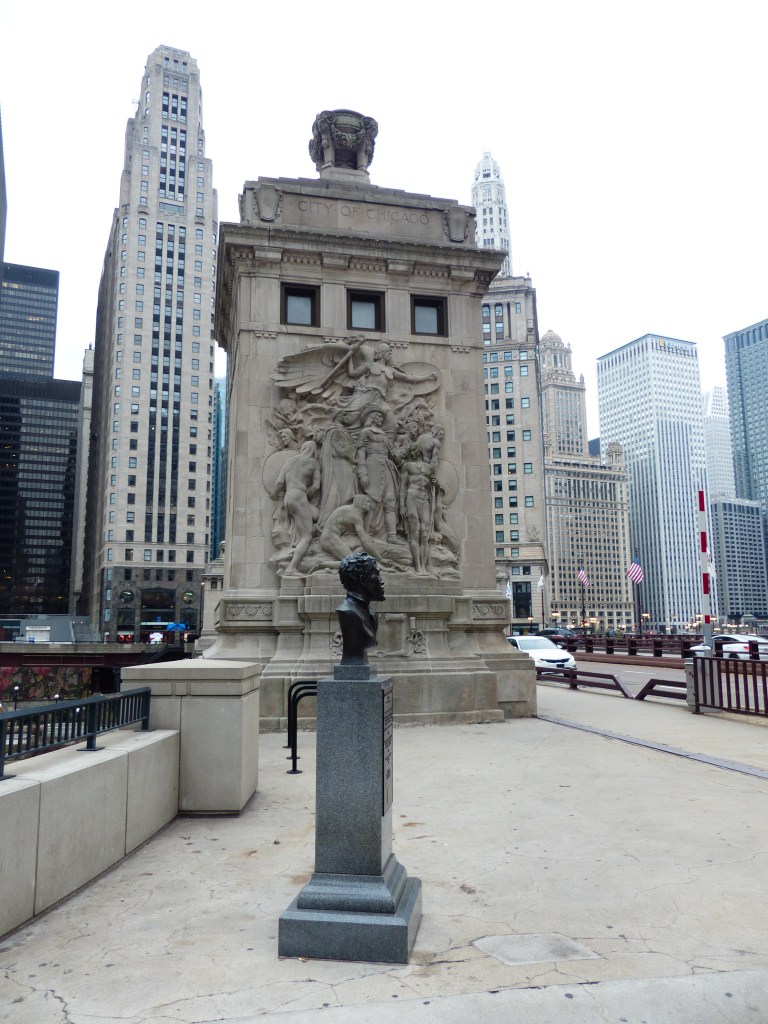
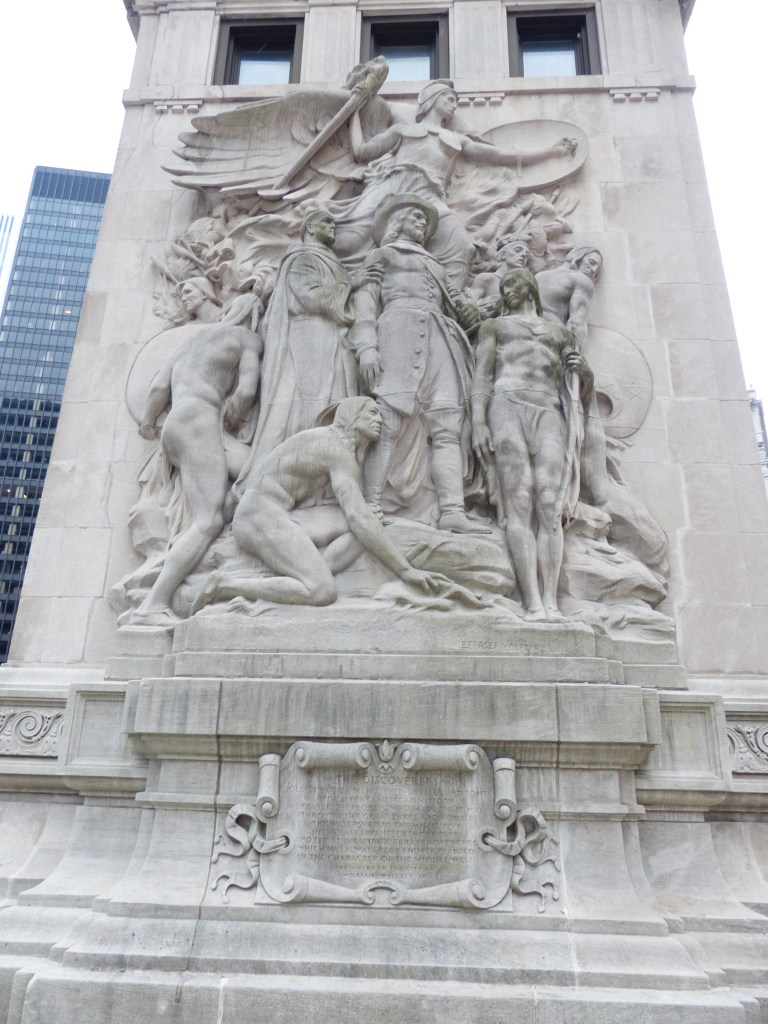
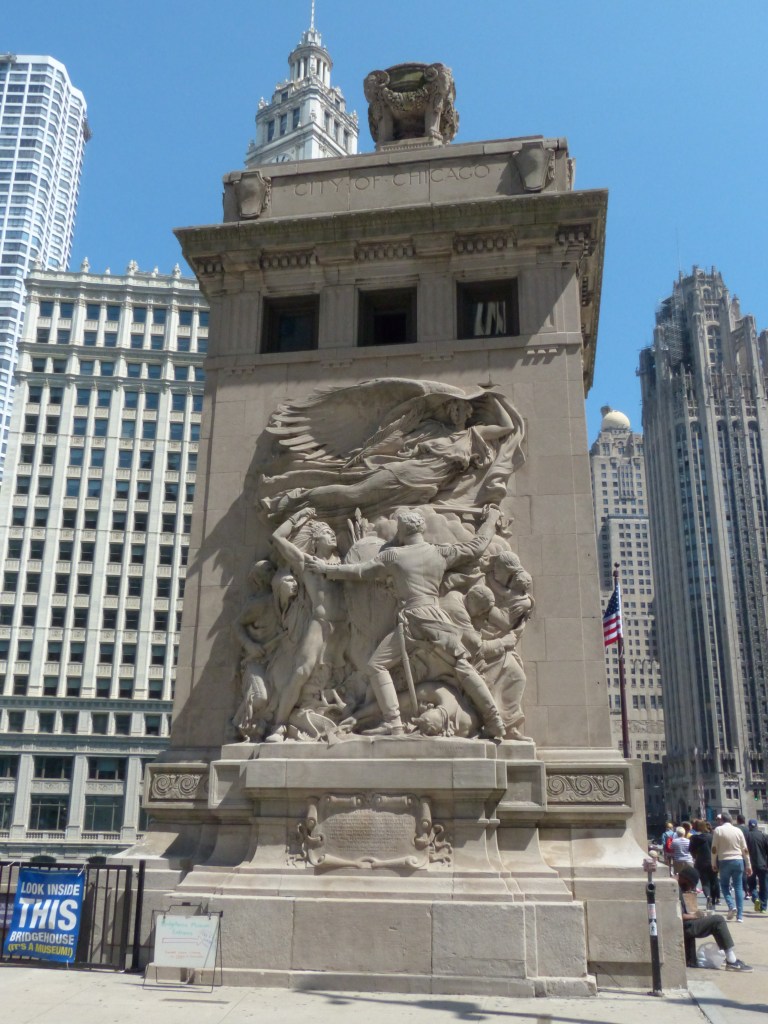
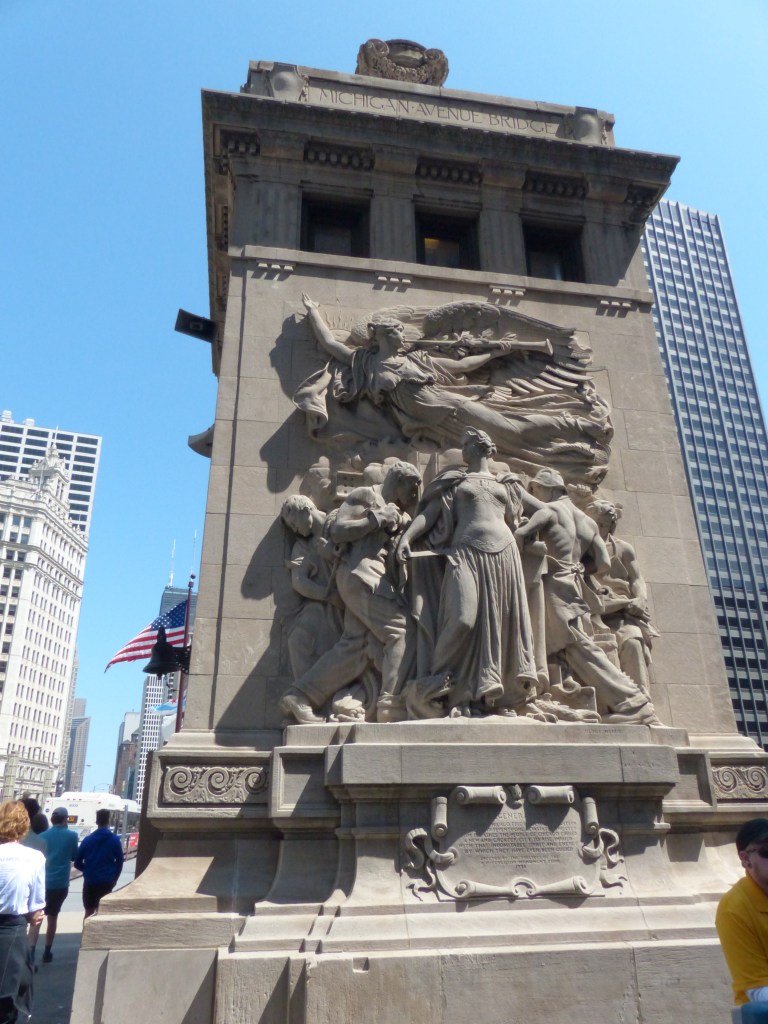
Sculpture by: Henry Hering.
Title: “Regeneration”.
Date of Sculpture: 1928
Photo date: 2 June 2019
3. The Significance of Bells on Chicago’s Bridge Tender’s Houses
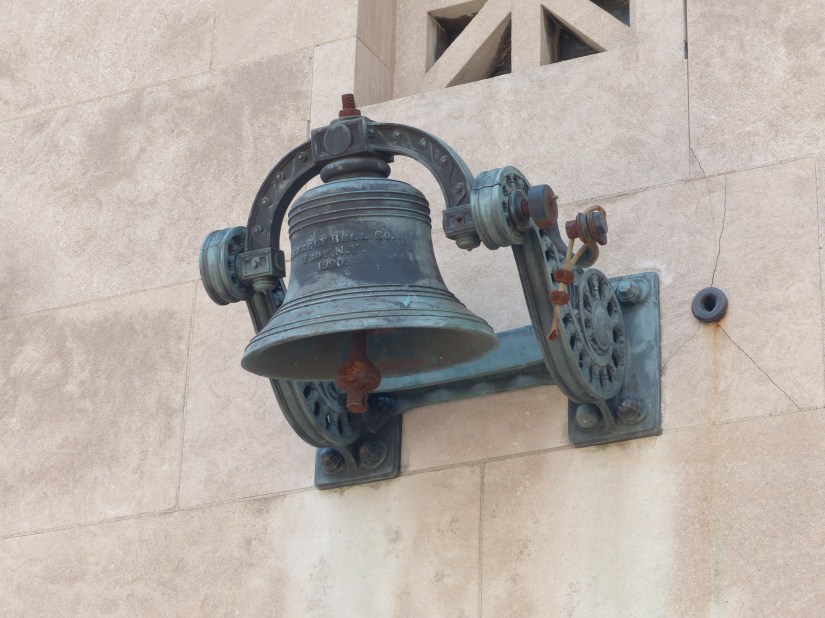
🔔 Why the Bells Exist
Before radios, PA systems, or reliable telephones, bridge tenders needed a loud, unmistakable, mechanical way to signal:
- A bridge lift was about to begin
- A bridge lift was complete
- Street traffic needed to clear the roadway
- River traffic was requesting passage
- A tender needed to communicate with the opposite bridge house
The bell was the simplest, most durable solution. Mounted outside, cast in bronze, and rung by a mechanical striker or rope, it could cut through city noise and reach both pedestrians and the opposite tender’s house.
🛠️ What the Bells Signaled
Different bridges used slightly different patterns, but the general logic was:
1. Warning pedestrians and vehicles
A bell would ring before the gates lowered and before the bridge leaves began to rise. This was the “clear the deck” signal.
2. Coordinating between tender houses
Chicago’s trunnion bascule bridges have paired houses—north/south or east/west. The tenders had to act in perfect sync. Bells provided a simple “ready / go / stop” system.
3. Acknowledging river traffic
Boats approaching the bridge would sound whistle signals. The tender would respond with the bell to acknowledge the request and begin the lift sequence.
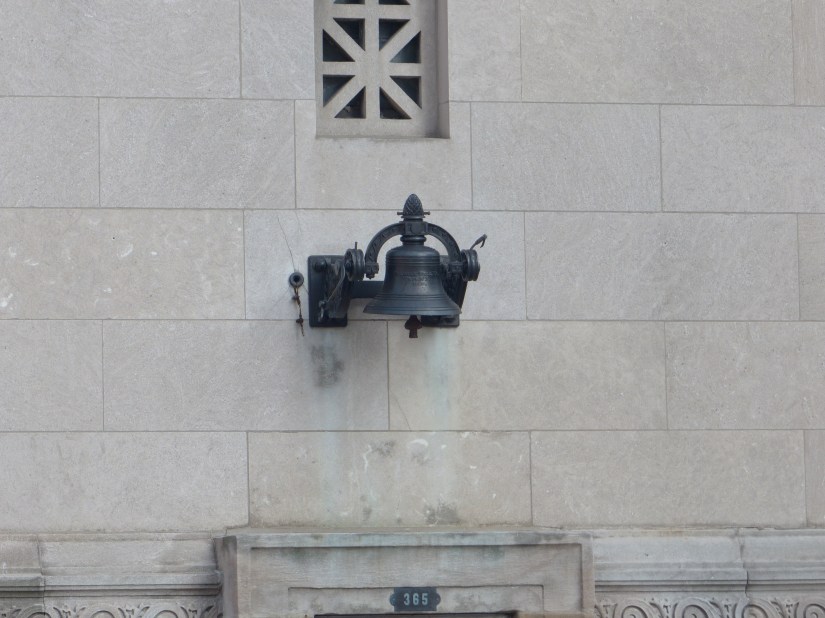
4. The DuSable Bridge also displays other features commemorative of Chicago history and changes made to the course of the river.
One of the most interesting things on the northwest bridge tender’s house is this benchmark. I researched it while learning about surveyor’s markers in the city.
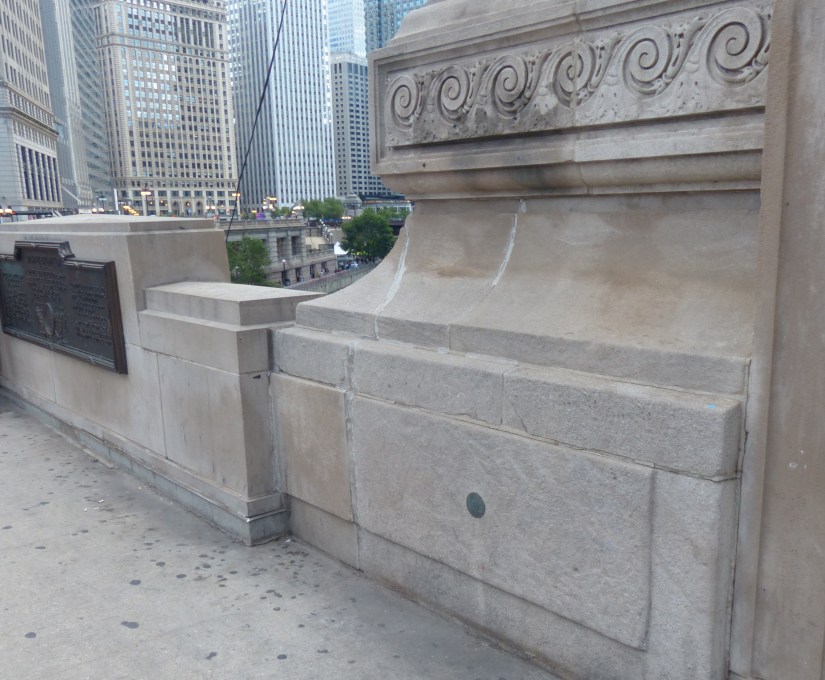
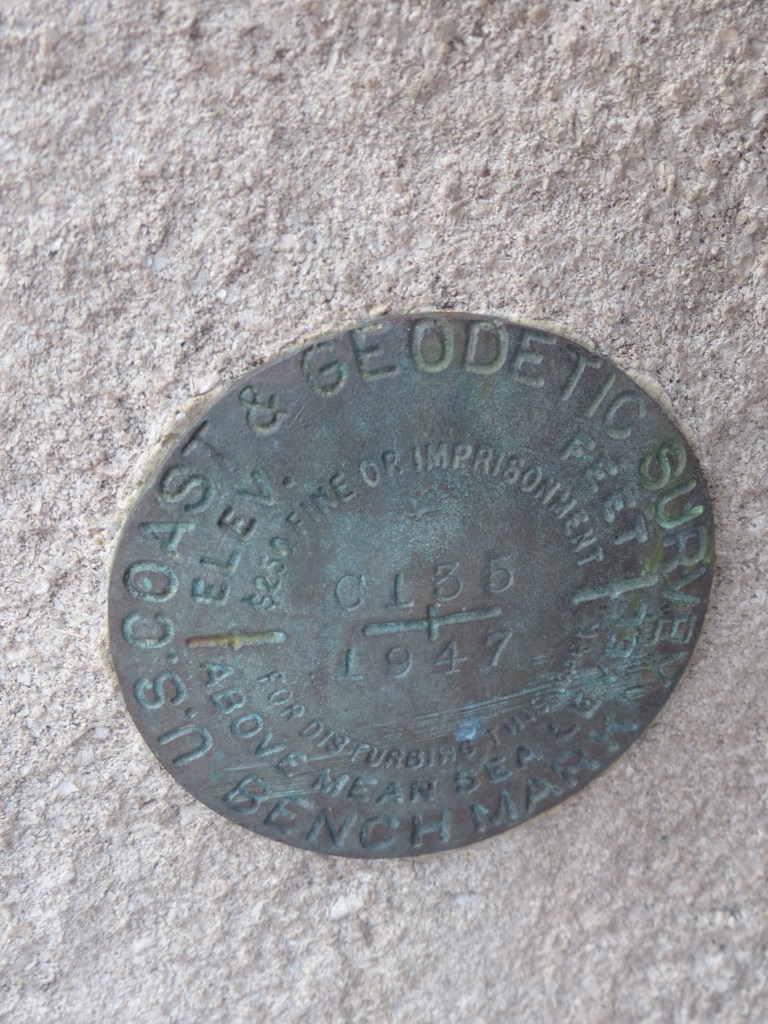
Citation‑Annotation Sidebar for USC&G Benchmark C135 1947
National Geodetic Survey — Data Sheet for Station C 135 (PID ME1620)
Used to verify the benchmark’s official designation, Permanent Identifier (PID), datum‑adjusted elevation, horizontal position, and geodetic metadata. This datasheet provides the authoritative control values that anchor the benchmark within the national vertical datum framework (NAVD 88) and confirm its role in Chicago’s mid‑century riverfront engineering network.
Pennsylvania State University, GEOG 862 — “NGS Control Data Sheets”
Consulted to confirm the definition of PID (Permanent Identifier) and to contextualize how NGS datasheets are structured, interpreted, and used by geospatial professionals. This source supports the explanatory material in the provenance sidebar, ensuring readers understand the meaning and function of the PID within the national geodetic system.
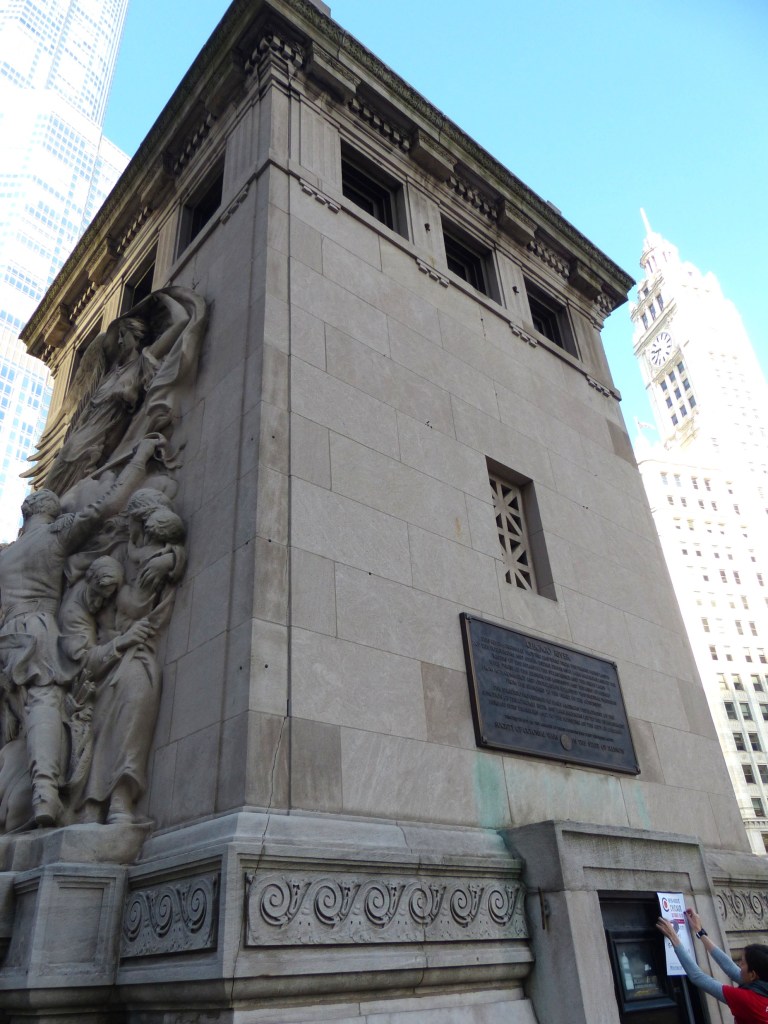
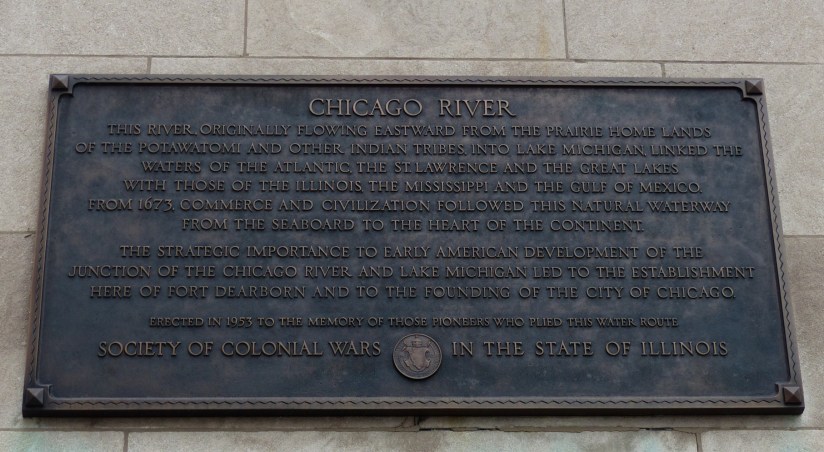
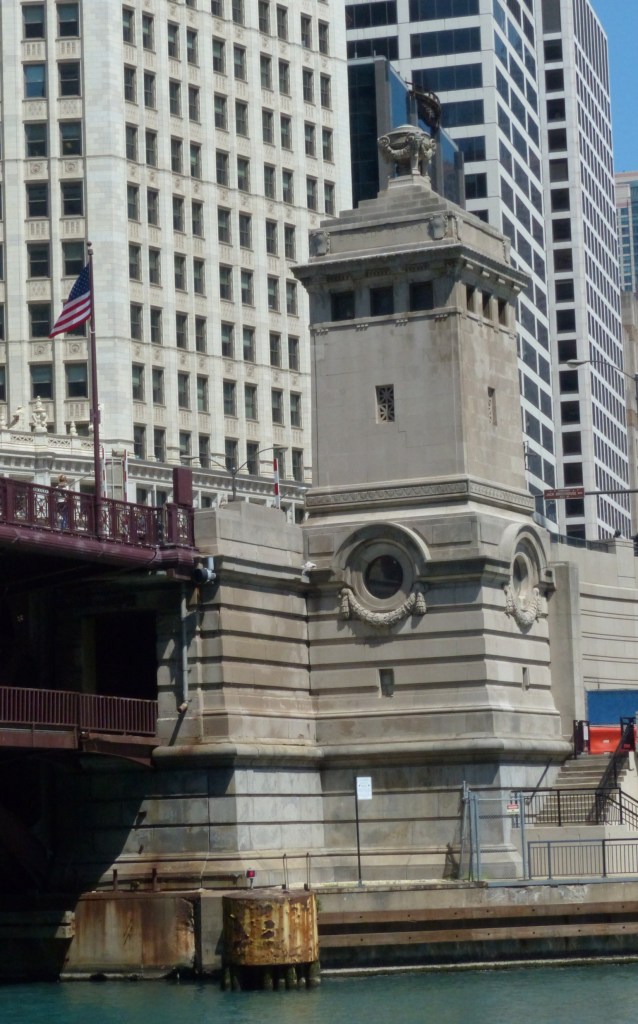
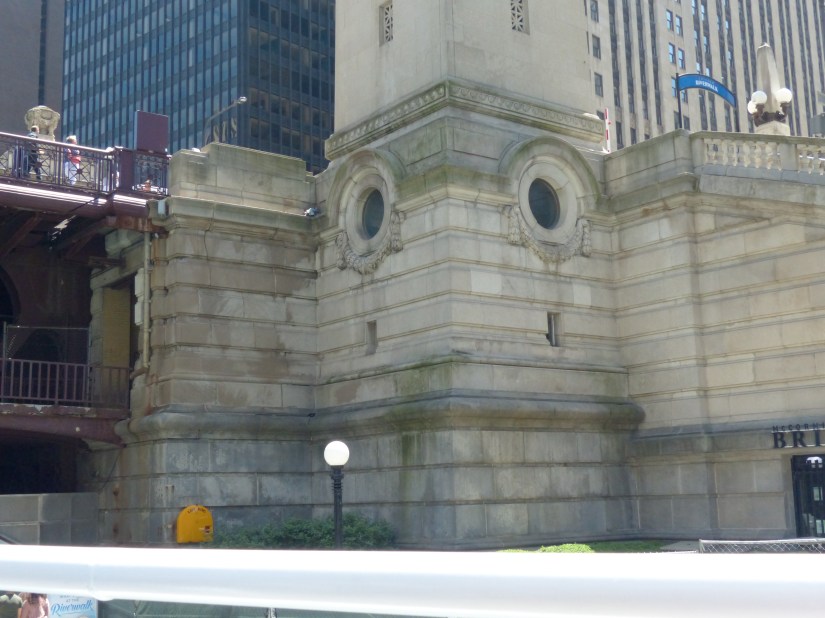
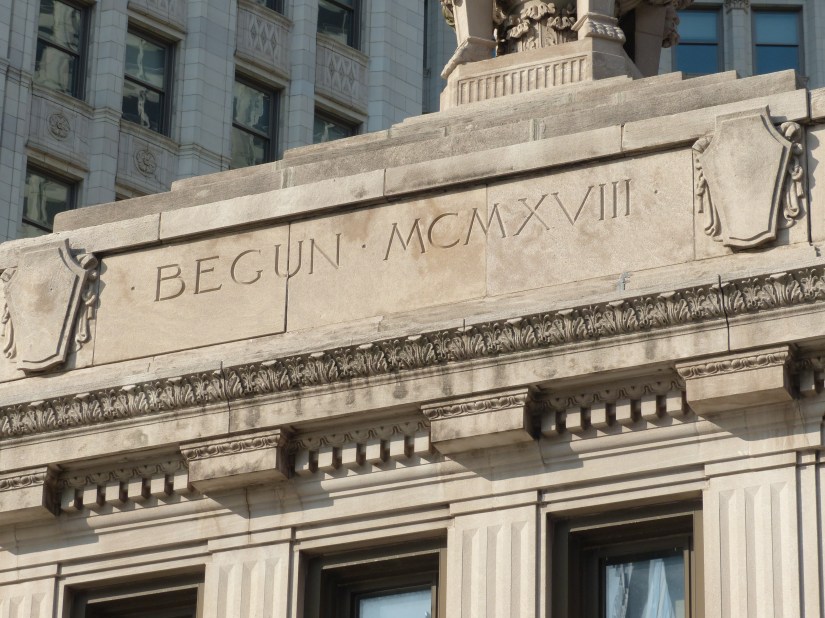
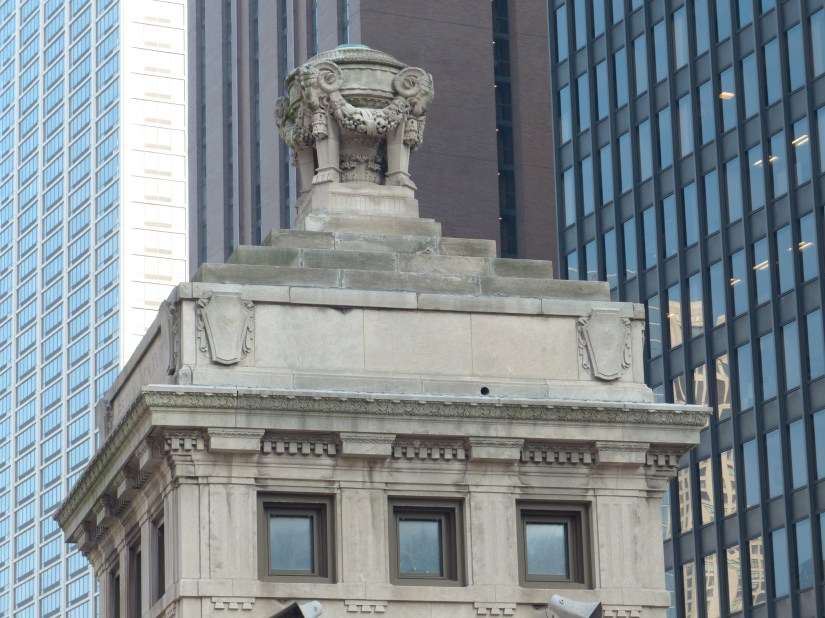
5. DuSable bridge’s tender’s houses also display classical architectural features in their elaborate ornamentation. Among the most important features of classical architecture are the quality placement of the stones in the bridge houses, abutments, and wing walls.
Conclusion
Bridge tender’s houses are watch points and control centers for parts of Chicago’s critical infrastructure, our collection of bascule bridges. Built in the styles of architecture prominent at the time- Beaux-arts or streamlined modern – each bridge’s houses are different and distinctive.
Many of the bridge houses are in serious disrepair because many bridges are not used regularly for bridge lifts, especially on the North Branch of the Chicago River. Some bridges are under repairs. It is essential that the tender’s houses are given the attention they deserve as essential to the operations of each bridge.
These remarkable parts of Chicago’s transportation heritage must be preserved and maintained whether or not modern alternatives are built.
Glossary
A
Abutment
The end support of a bridge that carries the load of the structure and connects it to the ground. On the Lake Shore Drive Bridge, the abutments are concrete faced with stone.
American Bridge Company
A major U.S. steel fabrication and construction firm responsible for the substructure of the Lake Shore Drive Bridge. Known for large‑scale infrastructure projects throughout the 20th century.
Architectural Heritage
The collective historical, cultural, and design legacy embodied in Chicago’s built environment, including its movable bridges and their tender’s houses.
B
Bascule Bridge
A type of movable bridge with one or two leaves that pivot upward to allow river traffic to pass. Chicago’s preferred movable‑bridge design because it accommodates the narrow, winding geometry of the Chicago River.
Bridge Lift Sequence
The coordinated series of actions performed by bridge crews to safely raise one or both leaves of a bascule bridge. Includes visual checks, communication with vessels, crew positioning, and mechanical operation.
Bridge Leaf
One of the movable sections of a bascule bridge that pivots upward to allow river traffic to pass. The Lake Shore Drive Bridge has two leaves: north and south.
Bridge Tender
A trained operator responsible for monitoring river and roadway traffic, coordinating communication with marine vessels, and raising or lowering the bridge safely.
Bridge Tender’s House
A structure located at the corners of a bascule bridge, containing the control equipment, communication systems, and (historically) living quarters for bridge tenders. Positioned just before the clear span to provide optimal visibility and access to the operating machinery.
C
Carbon Steel
A strong, widely used steel alloy containing carbon as the primary strengthening element. Used in the superstructure of the Lake Shore Drive Bridge.
Clear Span
The unobstructed portion of a bridge between its supports. On a bascule bridge, this is the section that opens to allow ships to pass.
Concrete Pier
A vertical support structure that transfers the weight of the bridge to the foundation below. On this bridge, the piers are clad in stone and integrated with the tender’s houses.
Control Center
A metaphorical and functional term describing the bridge tender’s house as the operational hub where bridge movements are monitored, coordinated, and executed.
D
DuSable Lake Shore Drive
The current name for Lake Shore Drive, renamed to honor Jean Baptiste Point DuSable, Chicago’s first non‑Native permanent resident.
K
Ketler and Elliot Company
The contractor responsible for constructing the superstructure of the Lake Shore Drive Bridge.
M
Monumental Bridge Tender’s House
A large, architecturally expressive tender’s house designed not only for operational use but also as a civic landmark. The Lake Shore Drive Bridge features four such houses.
Movable Span
The portion of a bridge designed to lift, rotate, or swing to permit river traffic. In Chicago, this typically refers to the bascule leaves.
O
Ornamental Pilaster
A decorative, flattened column projecting slightly from a wall surface. Used on the tender’s houses to give them a classical, monumental appearance.
P
Pratt Deck Truss
A truss design where diagonal members slope toward the center of the span under tension, with vertical members in compression. In a deck truss, the roadway sits on top of the truss structure.
Public Safety Systems
The integrated network of personnel, structures, and technologies that ensure safe movement of vehicles, pedestrians, and vessels. Bridge tender’s houses are part of this system because they control critical transportation infrastructure.
S
Silicon Steel
A steel alloy containing silicon, valued for its strength and resistance to fatigue. Used in the Lake Shore Drive Bridge’s structure.
Span (Bridge Span)
The distance between two supports of a bridge. In movable bridges, the span may be fixed or movable.
Substructure
The foundational components of a bridge, including piers, abutments, and footings.
Superstructure
The portion of a bridge above the foundation, including trusses, girders, and the roadway.
Swing Bridge
An early movable‑bridge type with a center‑pivoting span that rotates horizontally. Effective on wide rivers but poorly suited to the Chicago River’s narrow, curved channel because the pivot pier obstructed navigation.
Glossary Expansion (Bridge Lift Operations)
C
Crew Positioning (Pre‑Lift)
The practice of placing bridge personnel in tender’s houses and on the bridge leaf before a lift begins. Ensures visibility, safety checks, and communication with approaching vessels.
Crew Status
A situational report indicating where bridge personnel are located and what roles they are performing during a lift. In this case: crews present in both tender’s houses and on the leaf.
E
Eastward View (Toward Lake Michigan)
A directional reference used in documentation and photography of bridge operations. Indicates the orientation of the observer relative to the river and lake.
L
Leaf Operation (Single‑Leaf Lift)
A lift in which only one leaf is raised. This may occur due to river traffic patterns, maintenance, or operational strategy.
P
Public Safety Infrastructure
The network of physical structures and systems—such as bridges, control houses, and communication equipment—that support safe transportation and emergency response in the city.
R
Riverwalk (North Riverwalk Vantage Point)
A pedestrian walkway along the Chicago River providing clear views of bridge operations, including tender’s houses and leaf movement.
S
Small Craft
Privately operated or recreational vessels that require bridge clearance during certain river conditions.
South Leaf
The southern movable span of a bascule bridge. In this sequence, it is the leaf being raised.
T
Touring Yacht
A larger recreational vessel that often participates in river tours or lake excursions. Requires bridge lifts when traveling upriver or downriver.
Tender’s House Crew
Personnel stationed inside the bridge tender’s houses responsible for monitoring traffic, communicating with vessels, and operating the bridge machinery.
W
Watchtower
A metaphor emphasizing the elevated, observational, and protective role of bridge tender’s houses as vantage points over river traffic, roadway conditions, and urban activity.
Westbound Approach (River Cruise Perspective)
A vantage point from which all four tender’s houses of the Lake Shore Drive Bridge can be seen as a tour boat travels upriver toward the city center.
Winding Channel (Chicago River Geometry)
The natural and engineered curves of the Chicago River that influenced the city’s adoption of bascule bridges. The river’s tight bends made center‑pivot swing bridges impractical.
Resources
- Solitary Lives along Chicago’s Lakes and Waterways. The Electronic Encyclopedia of Chicago © 2005 Chicago Historical Society. The Encyclopedia of Chicago © 2004 The Newberry Library. Accessed March 8, 2026.
- Wikipedia contributors. “Outer Drive Bridge.” Wikipedia, The Free Encyclopedia. Wikipedia, The Free Encyclopedia, 29 Oct. 2025. Web. 9 Mar. 2026.
- Historic American Engineering Record. CHICAGO RIVER BASCULE BRIDGE, OUTER DRIVE. I&M Canal National Heritage Corridor. Outer (Lake Shore) Drive, crossing the Chicago River. Chicago, Cook County, Illinois. HAER No. IL-54, National Park Service, U.S. Department of the Interior, Year, p. 2.il0619.pdf. Accessed 8 March 2026.
- Wikipedia contributors. “DuSable Bridge.” Wikipedia, The Free Encyclopedia. Wikipedia, The Free Encyclopedia, 18 Dec. 2025. Web. 9 Mar. 2026.
- Holth, Nathan. Michigan Avenue Bridge (DuSable Bridge). HistoricBridges.org,https://historicbridges.org/bridges/browser/?bridgebrowser=truss/michiganavenue/. Accessed 9 March 2026.
- Copilot. “Why Chicago’s Bridge Tender’s Houses Have Bells.” Response to user question, 9 Mar. 2026.
- Wikipedia contributors. “Meneely bell foundries.” Wikipedia, The Free Encyclopedia. Wikipedia, The Free Encyclopedia, 1 Jan. 2026. Web. 10 Mar. 2026.
- National Geodetic Survey. Data Sheet for Station C 135 (PID ME1620). U.S. Department of Commerce, retrieved 11 Mar. 2026, https://www.ngs.noaa.gov/cgi-bin/ds_mark.prl?PidBox=ME1620..
- Pennsylvania State University, College of Earth and Mineral Sciences, Department of Geography. “NGS Control Data Sheets.” GEOG 862: GPS and GNSS for Geospatial Professionals, https://www.e-education.psu.edu/geog862/node/1835. . Accessed 11 Mar. 2026.
- Wikipedia contributors. “Bust of Jean Baptiste Point du Sable.” Wikipedia, The Free Encyclopedia. Wikipedia, The Free Encyclopedia, 23 Mar. 2025. Web. 11 Mar. 2026.
- Wikipedia contributors. “Gutta.” Wikipedia, The Free Encyclopedia. Wikipedia, The Free Encyclopedia, 21 Dec. 2024. Web. 12 Mar. 2026.
- Copilot. Glossary and Operational Analysis of Chicago’s Movable Bridge Systems. Microsoft, 19 Mar. 2026.
 Frame the Works