Photographs and Research Documenting our Industrial Heritage. Includes Field Notes with Archival Quality Photographs and Cartographic Studies.
Sky Lines. Architecture Photography and a Poem: Musings Upon the Urban-Natural Interface and the Art of Building.
FABRICATION: A Poem
The canvases of Earth and sky Meet at the horizons of our thoughts. In the realm of settlements and construction. Upon those canvases artworks emerge- Curves and angles, lines and shapes created as Buildings rise into the dome of the sky. Shadows spread out, glass reflects, Asphalt and steel intersect. This is the ever-changing tapestry of our quest for Building harmoniously within our environment.
Divi Logan. Chicago, Illinois. 16 June 2024.
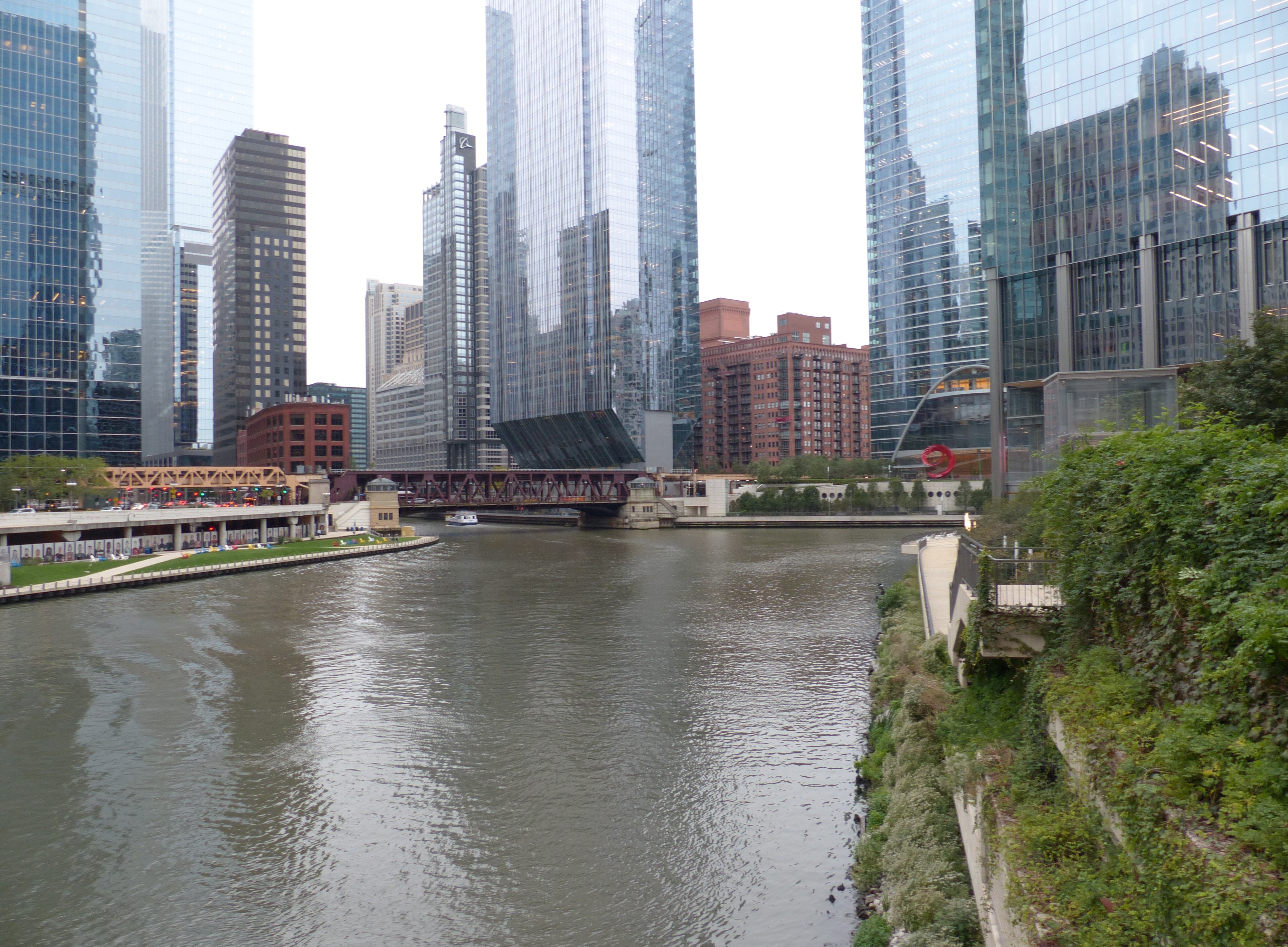
Levels of buildings rise around and along the bifurcation of the Chicago River at historic Wolf Point (right foreground). To the left is the beginning of the south branch, and to the right, the beginning of the north branch.
Where Does the Meaning of Architect and Architecture Come From?
The etymology of architecture includes references to the root words for weaving and fabrication. The meaning of architect is a “person skilled in the art of building, one who plans and designs buildings and supervises their construction.” The word is from the Greek arkhitekton “master builder, director of works.”
The early root form is *teks-, which means “to weave,” or “to fabricate,” especially with an ax. In our world of giant glass-walled skyscrapers and fast-paced building, it may be challenging to imagine that people once carefully constructed shelters using carpentry, mud and wicker or woven fabric for walls.
Chicago’s history of building includes methods of building from carpentry to masonry to structural steel and structural glass. Many views along the city’s skyline include a diverse collection of building styles and configurations, from stone-faced setbacks to low – rises in brick to skyscrapers sheathed in glass.
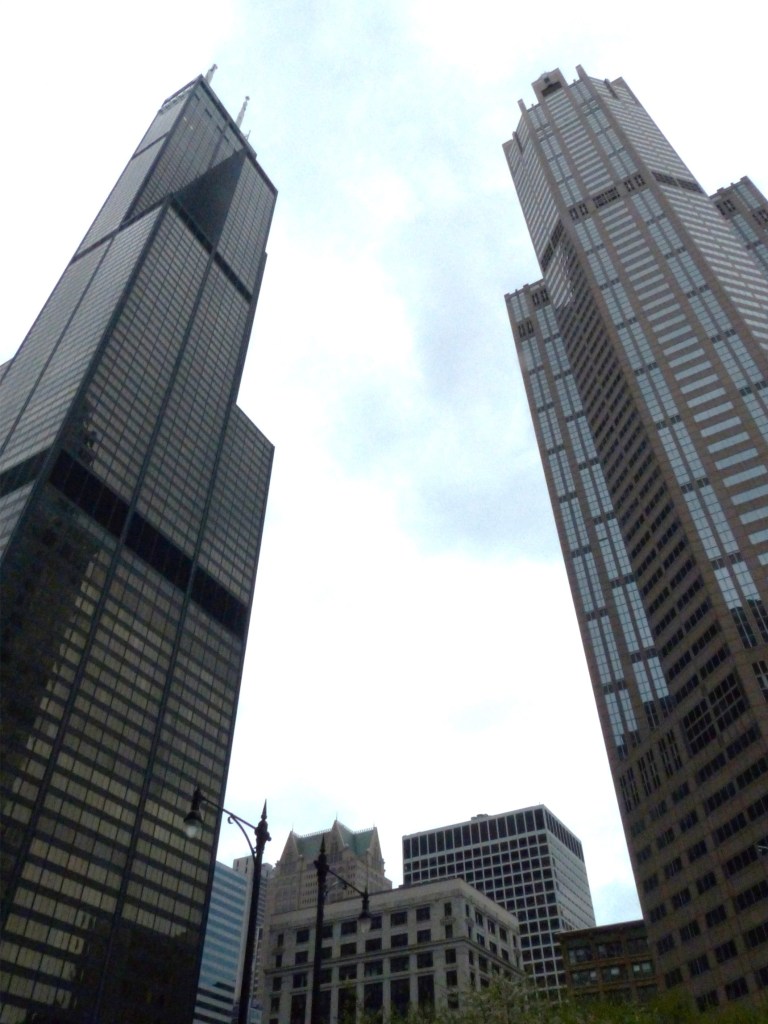
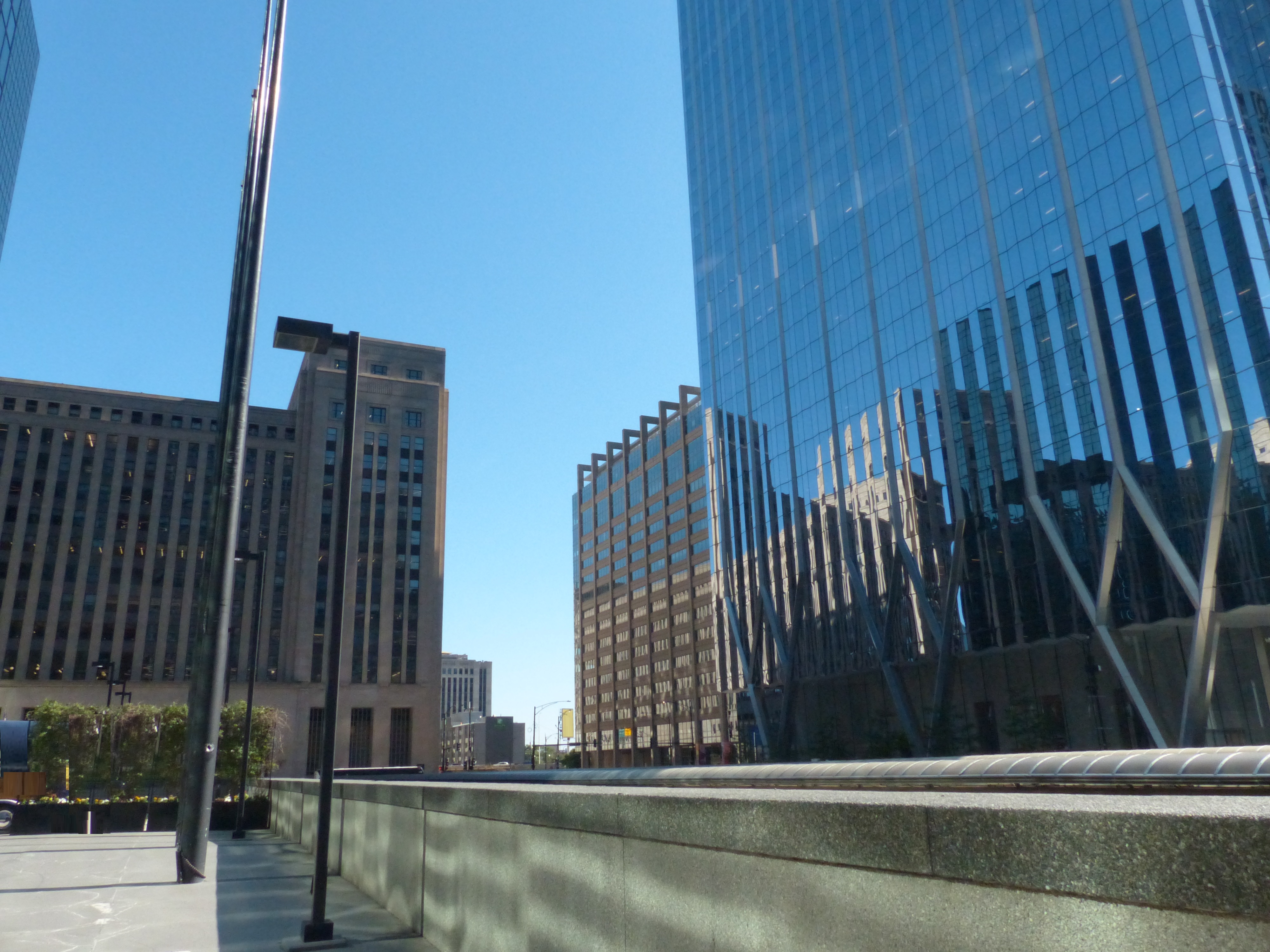
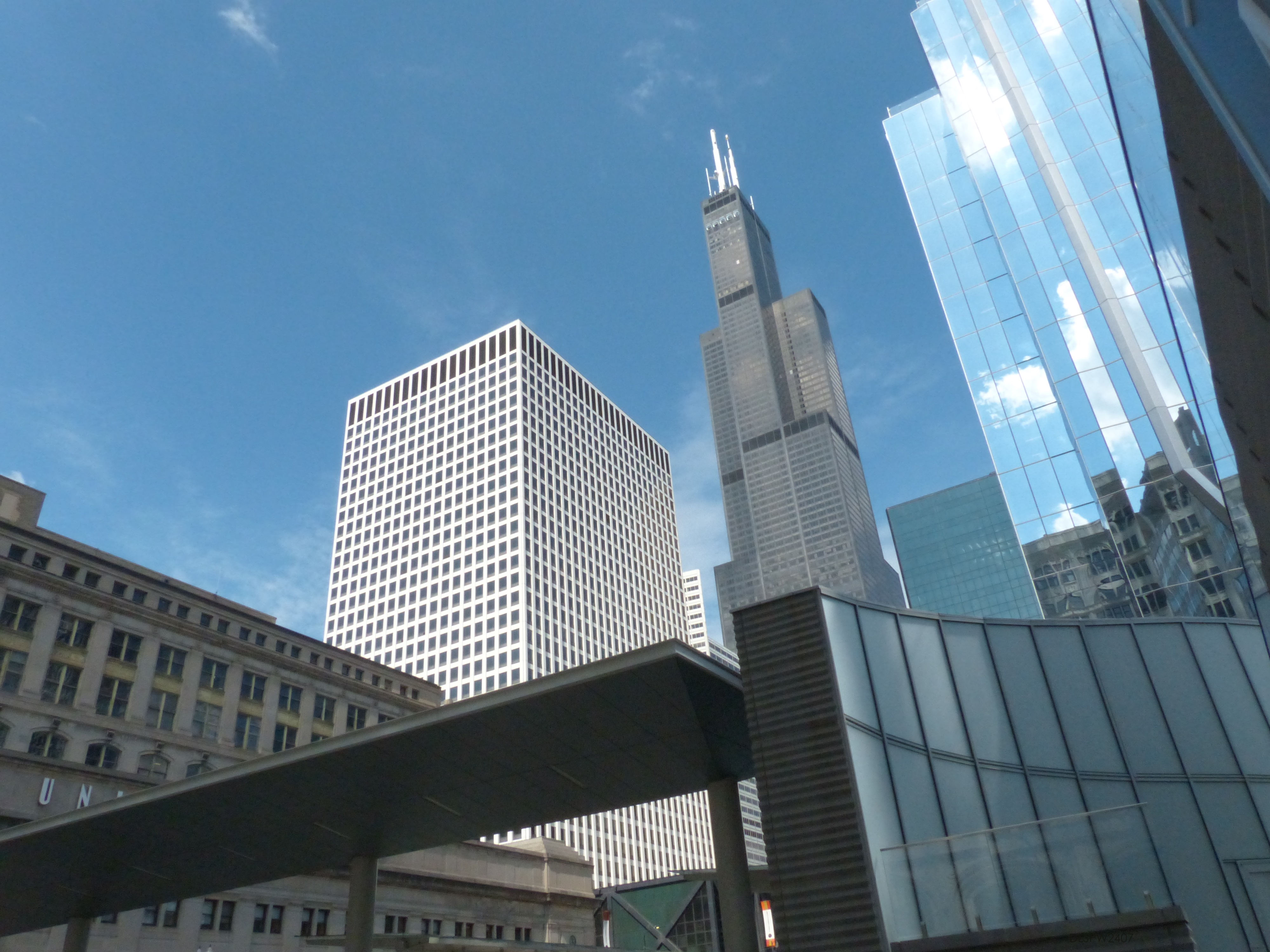
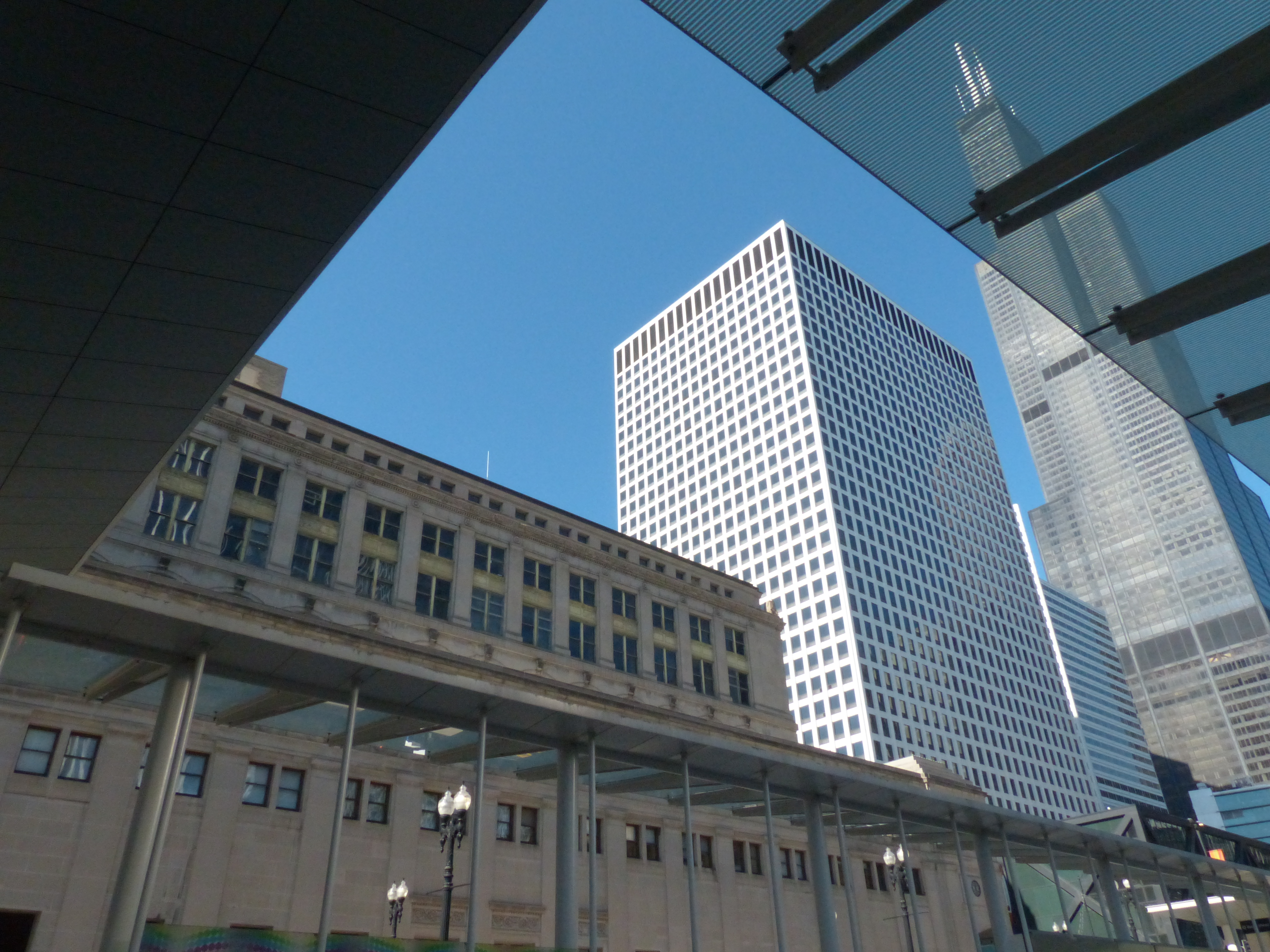
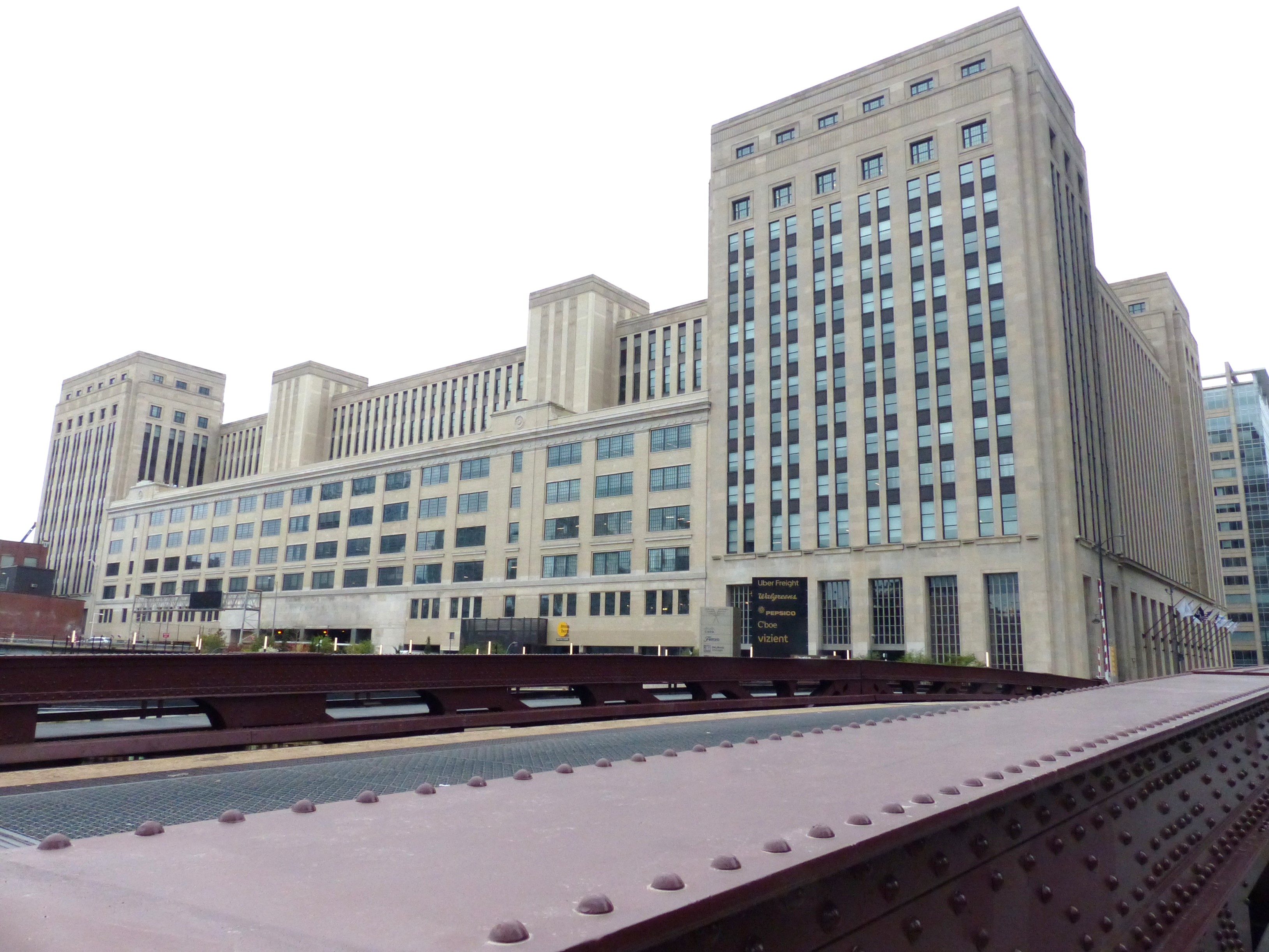
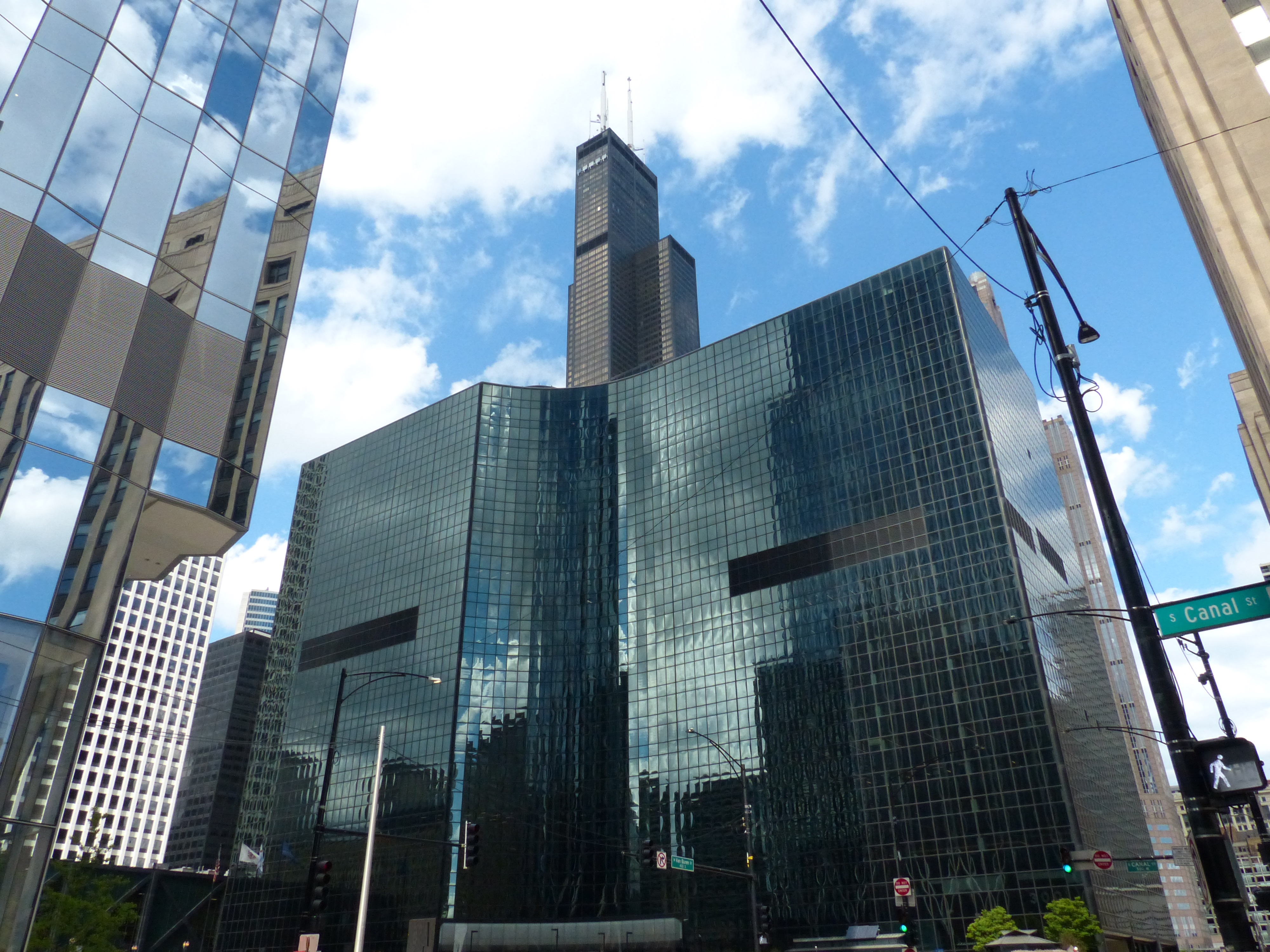
Two of Chicago’s classic skyscrapers meet in this image. At left is the steel and glass elevation of the Sears (Willis) Tower (completed 1974). 311 South Wacker Drive, completed in 1990, was once the tallest reinforced concrete building in the world. It is crowned by a 105-foot-tall translucent cylinder which is surrounded by four smaller cylinders. These are lit at night and their colors can be changed for events and holidays.In the foreground is the rooftop of the south train concourse at Chicago Union Station. At left is the Old Post Office. Part of I-290 is at center. BMO Tower and the Congress Center complete the photograph at center and right.Views around Chicago Union Station and the bus transit center include one of the canopies at the south entrance to the transit hub and a curving wall that partitions the adjacent park and restaurant. At right is Chicago Union Station, to its right is the Fifth Third Center, part of the station’s multiplex, just visible to its right is 200 S. Wacker Drive. Rising at the center is the Sears (Willis) Tower. To its right is part of Gateway Center IV. The photo is framed on the right by BMO Tower.Structures carve geometric sky shapes along West Jackson Boulevard. The canopies of Union Station Transit Center frame the image. At left is Chicago Union Station, to its right is Fifth Third Center, and towards the center are 200 South Wacker Drive and the Sears Tower.The Art Deco elevations of the Old Post Office (1921) take center stage in this view that looks west from the Van Buren Street Bridge (1956). Part of the beginning of Interstate 290 are to the left, and the road goes underneath the post office.The unique shape of Gateway Center IV (completed in 1983) anchors this image, taken south of Chicago Union Station. Gateway Center IV’s lines closely follow the curves of the Chicago River’s south branch. Rising behind it and across the river is the Sears Tower (completed in 1974).

 Frame the Works